
US Patriot Missile Stocks in Europe Declared 'Beyond Critical' Amid Ongoing Iran Conflict
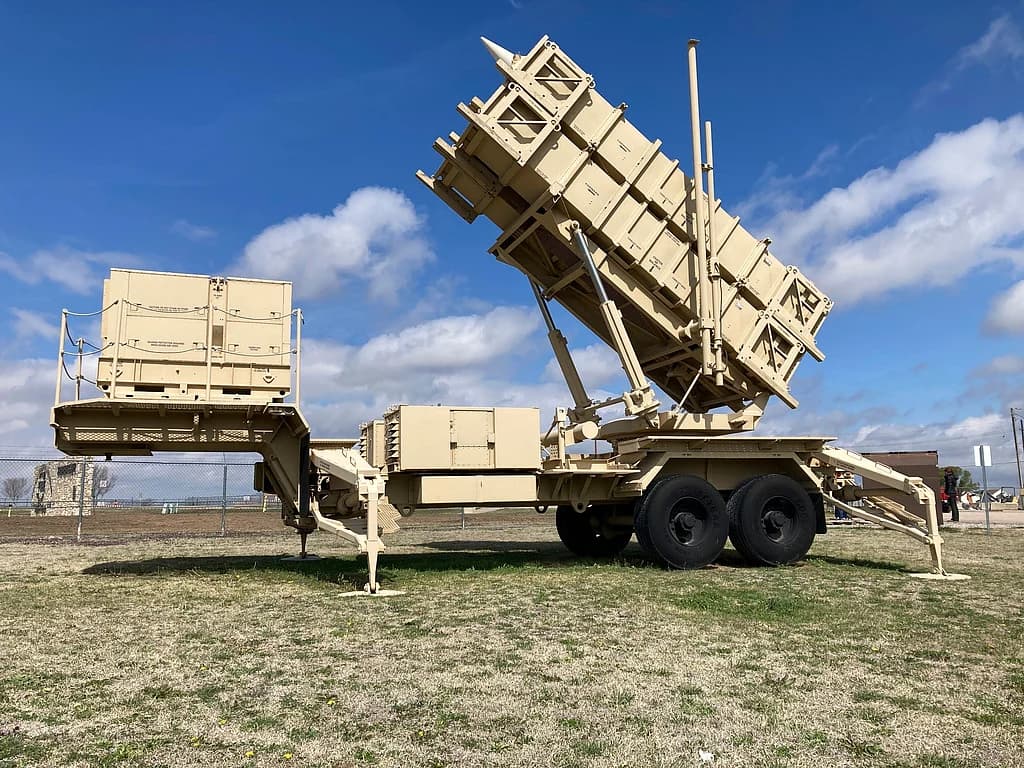
Here's what it means for you.
If you're in a defense-related sector or rely on stable geopolitical conditions, this shortage could impact supply chains and security dynamics.
Why it matters
The depletion of US Patriot missile stocks in Europe raises significant concerns about NATO's defensive capabilities amid escalating geopolitical tensions.
What happened (in 30 seconds)
- On August 27, 2026, US defense and NATO officials reported a 'beyond critical' shortage of Patriot missiles in Europe due to the ongoing US-Iran conflict.
- Approximately 1,500 interceptors, or 65% of the US total inventory, have been expended, straining NATO's ability to counter potential Russian threats.
- Production ramp-up is underway, with 600 new missiles expected in 2026 and a target of 2,000 annually by 2030.
The context you actually need
- The US-Iran conflict, initiated by President Trump, has diverted resources from Europe to the Middle East, exacerbating existing shortages.
- Prior allocations to Ukraine during its conflict with Russia had already reduced missile inventories, creating a precarious situation for NATO.
- Geopolitical tensions are heightened by Russian military capabilities, which pose a potential threat to NATO by 2030, complicating the security landscape.
What's really happening
The current shortage of US Patriot missiles in Europe is a direct consequence of strategic military decisions made in response to the escalating US-Iran conflict. As the conflict intensified, approximately 1,500 interceptors were diverted from European stockpiles to bolster defenses in the Middle East. This diversion was necessary to counter Iranian drone and missile threats, which have been increasingly aggressive, particularly against US forces and allies in the region.
The depletion of these stocks has raised alarms among NATO officials, who describe the situation as 'beyond critical.' This characterization reflects a significant concern that NATO's capacity to defend against even a single Russian ballistic missile strike is severely compromised. The Center for Strategic and International Studies (CSIS) has quantified this depletion, noting that 65% of the US total inventory of 2,330 interceptors has been expended.
Despite these alarming assessments, NATO spokesperson Col. Martin O’Donnell has publicly rejected the notion that stocks are critically low, asserting that there are still sufficient munitions available for defense and ongoing support for Ukraine. This discrepancy highlights a potential disconnect between on-the-ground realities and official narratives, which may be aimed at maintaining public confidence in NATO's defensive posture.
In response to the shortages, the US is ramping up production of Patriot missiles, with plans to manufacture 600 new interceptors in 2026 and an ambitious target of 2,000 annually by 2030. Additionally, new production facilities are being established in Europe, including a dedicated site in Germany set to open in September 2026. These efforts are intended to mitigate the immediate shortfalls and restore NATO's defensive capabilities.
However, the situation remains precarious. The ongoing conflict in Ukraine and the potential for further Russian aggression complicate the landscape, as NATO must balance its resources between supporting Ukraine and ensuring its own defensive readiness. The interplay of these factors creates a complex web of incentives and pressures that will shape NATO's strategic decisions in the coming years.
Who feels it first (and how)
- Defense contractors: Increased demand for missile production could lead to new contracts and revenue opportunities.
- Military personnel: Troops stationed in Europe may face heightened risks due to reduced missile defense capabilities.
- Geopolitical analysts: Those monitoring NATO and Russian relations will need to reassess risk assessments and strategic forecasts.
- Supply chain managers: Companies involved in defense logistics may experience disruptions due to shifting priorities and resource allocations.
What to watch next
- Production timelines: Monitor the progress of missile production and the establishment of new facilities in Europe, as delays could exacerbate shortages.
- Geopolitical developments: Keep an eye on the US-Iran conflict and Russian military activities, as these will influence NATO's strategic posture and resource allocation.
- NATO's response strategies: Watch for changes in NATO's defense strategies and resource distribution, particularly regarding support for Ukraine versus European defense needs.
The US has expended 1,500 Patriot interceptors during the Iran conflict.
NATO will continue to face challenges in balancing resources between supporting Ukraine and defending Europe.
The long-term implications of the missile shortage on NATO's deterrence capabilities against Russia.
Frequently Asked Questions
- Why it matters?
- The depletion of US Patriot missile stocks in Europe raises significant concerns about NATO's defensive capabilities amid escalating geopolitical tensions.
- What happened (in 30 seconds)?
- On August 27, 2026, US defense and NATO officials reported a 'beyond critical' shortage of Patriot missiles in Europe due to the ongoing US-Iran conflict. Approximately 1,500 interceptors, or 65% of the US total inventory, have been expended, straining NATO's ability to counter potential Russian threats. Production ramp-up is underway, with 600 new missiles expected in 2026 and a target of 2,000 annually by 2030.
- What's really happening?
- The current shortage of US Patriot missiles in Europe is a direct consequence of strategic military decisions made in response to the escalating US-Iran conflict. As the conflict intensified, approximately 1,500 interceptors were diverted from European stockpiles to bolster defenses in the Middle East. This diversion was necessary to counter Iranian drone and missile threats, which have been increasingly aggressive, particularly against US forces and allies in the region. The depletion of these
- Who feels it first (and how)?
- Defense contractors: Increased demand for missile production could lead to new contracts and revenue opportunities. Military personnel: Troops stationed in Europe may face heightened risks due to reduced missile defense capabilities. Geopolitical analysts: Those monitoring NATO and Russian relations will need to reassess risk assessments and strategic forecasts. Supply chain managers: Companies involved in defense logistics may experience disruptions due to shifting priorities and resource alloc
- What to watch next?
- Production timelines: Monitor the progress of missile production and the establishment of new facilities in Europe, as delays could exacerbate shortages. Geopolitical developments: Keep an eye on the US-Iran conflict and Russian military activities, as these will influence NATO's strategic posture and resource allocation. NATO's response strategies: Watch for changes in NATO's defense strategies and resource distribution, particularly regarding support for Ukraine versus European defense needs.
International coverage of politics, security, and social issues.
"Global News is a mainstream Canadian outlet with a centrist editorial stance, focusing on factual reporting."
— A47 Editor
U.S. Patriot missile stocks ‘beyond critical’ due to Iran war, officials say
U.S. defense officials have reported that Patriot missile stocks are now 'beyond critical' due to the ongoing conflict with Iran, highlighting a significant shortfall in interceptors capable of countering high-speed ballistic missiles from adversarie...
UAE-based newspaper covering Gulf politics, society, and international developments.
"Gulf News is one of the UAE’s most prominent English-language publications."
— A47 Editor
US Patriot missile stocks in Europe 'beyond critical' as Iran war drains arsenal
US officials have reported that Patriot missile stocks in Europe are now 'beyond critical' levels, primarily due to the ongoing conflict with Iran, which has significantly drained military resources. This situation raises concerns about the readiness...
A curated Gulf News feed featuring major stories across news, business, opinion, and lifestyle.
"Gulf News is a major UAE newspaper whose featured stories feed reflects a broad editorial mix shaped for a Gulf audience."
— A47 Editor
US Patriot missile stocks in Europe 'beyond critical' as Iran war drains arsenal
US officials have reported that Patriot missile stocks in Europe are now 'beyond critical' levels, primarily due to the ongoing conflict with Iran, which has significantly drained military resources. This situation raises concerns about the readiness...
Coverage of national news and events from across the United States.
"HuffPost is known for its progressive editorial stance, offering opinionated yet comprehensive coverage on social, political, and cultural topics."
— A47 Editor
U.S. Patriot Missile Stocks In Europe Are 'Beyond Critical' Due To Iran War, Officials Say
U.S. officials have reported that Patriot missile stocks in Europe are at a critical level due to the ongoing conflict with Iran, which has heightened tensions in the region. This situation has left NATO countries more vulnerable as they rely on U.S....