
Pentagon Develops Troop Redistribution Plans for Europe by November 2026
Here's what it means for you.
If you’re in a sector tied to defense or international relations, this shift could reshape your strategic landscape.
Why it matters
This review reflects a significant shift in U.S. military strategy, impacting NATO dynamics and European security.
What happened (in 30 seconds)
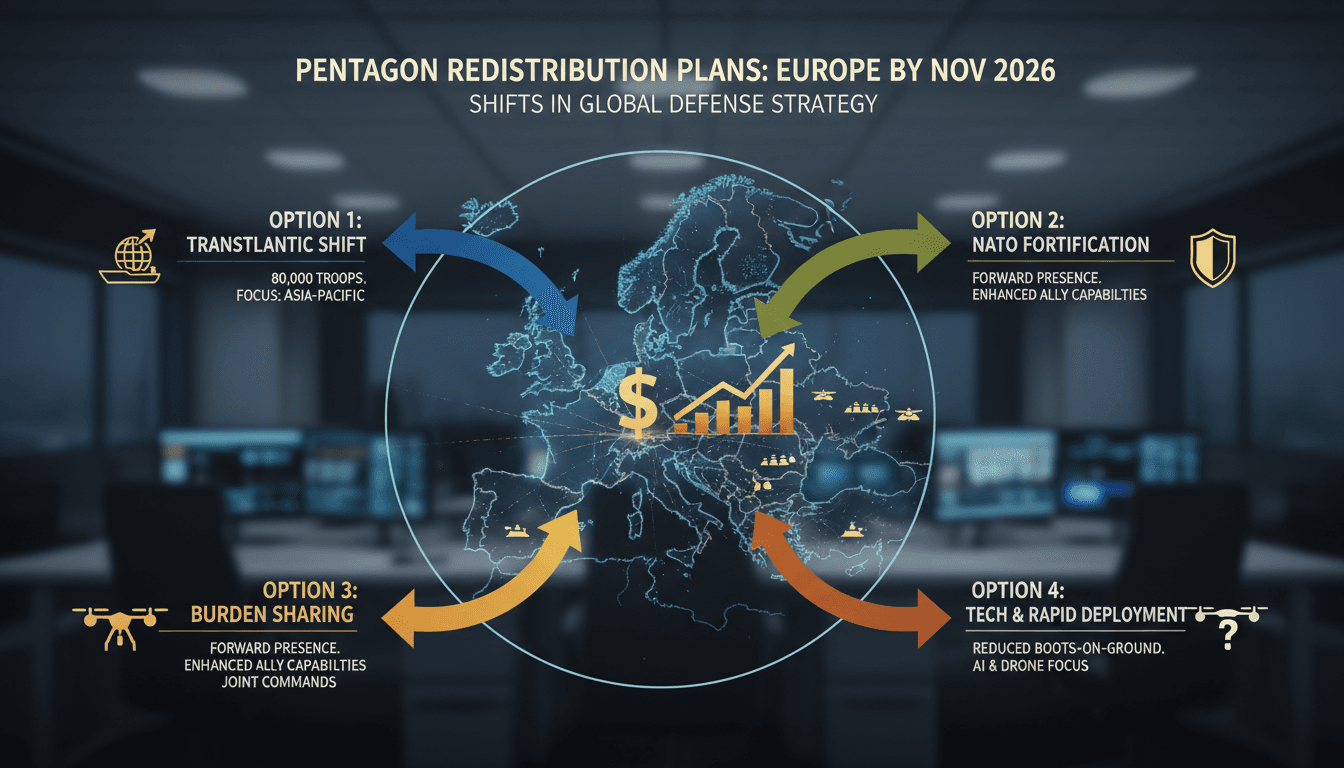
- On August 27, 2026, the Pentagon announced it is preparing four options for redistributing U.S. troops in Europe by November 6.
- Approximately 80,000 U.S. troops stationed across Europe are under review as part of a broader strategy to focus on Asia-Pacific and Middle East priorities.
- NATO allies are concerned that troop reductions could weaken deterrence and prompt calls for increased European defense spending.
The context you actually need
- The review follows President Trump's May 2026 announcement to withdraw over 5,000 troops from Germany, indicating a shift in U.S. military presence.
- The initiative aligns with a broader U.S. strategy to pressure NATO allies to increase defense spending and take on more responsibility for European defense.
- The review is part of a six-month assessment led by Pentagon policy chief Elbridge Colby, evaluating troop levels, locations, and costs.
What's really happening
The Pentagon's troop redistribution review is a strategic maneuver aimed at recalibrating U.S. military focus amid evolving global threats. The impetus for this review stems from a desire to shift greater conventional defense responsibilities to NATO allies, particularly in Europe, while reallocating U.S. forces to address rising tensions in the Asia-Pacific region, especially concerning China, and ongoing conflicts in the Middle East, particularly with Iran.
The review, which began in June 2026, is not merely about troop numbers; it encompasses a comprehensive evaluation of U.S. military commitments in Europe. The Pentagon is preparing at least four options that will detail not only the number of troops but also their locations, timelines for adjustments, and associated costs. This approach reflects a broader U.S. strategy to enhance NATO's operational capabilities while simultaneously reducing its own footprint in Europe.
The implications of this review are significant. NATO allies have expressed concerns that any reduction in U.S. troop presence could weaken deterrence against potential aggressors, particularly Russia. This has led to increased discussions among European governments about burden-sharing and the need for greater self-reliance in defense capabilities. The review's findings will likely influence NATO's future defense posture and the extent to which European nations will need to increase their defense spending to compensate for any U.S. troop reductions.
Moreover, the review is set against a backdrop of previous troop reductions and cancellations of certain rotational deployments, which have already begun to reshape the U.S. military's crisis-response capabilities in Europe. The upcoming briefing between the top U.S. commander in Europe and Pentagon officials will further clarify the strategic direction and operational readiness of U.S. forces in the region.
As the Pentagon prepares these options, it is also assessing the commitments and capabilities of European allies, including their defense spending and infrastructure support. This comprehensive approach underscores the interconnectedness of U.S. military strategy and NATO's collective defense obligations, highlighting the importance of maintaining a robust deterrent posture in Europe.
Who feels it first (and how)
- Defense contractors: Companies involved in military contracts may see shifts in funding and project priorities.
- NATO member states: Countries like Germany, Italy, and Spain may need to adjust their defense strategies and budgets.
- Military personnel: U.S. troops stationed in Europe could face relocations or changes in deployment timelines.
- International relations professionals: Analysts and diplomats will need to navigate the evolving security landscape and its implications for global alliances.
What to watch next
- November 6, 2026: The deadline for the Pentagon to present its troop redistribution options, which will clarify U.S. military commitments in Europe.
- European defense spending trends: Watch for potential increases in defense budgets among NATO allies as they respond to U.S. troop reductions.
- NATO consultations: Ongoing discussions among European governments regarding burden-sharing and defense capabilities will indicate shifts in regional security dynamics.
The Pentagon is preparing options for troop redistribution in Europe.
NATO allies will increase defense spending in response to potential U.S. troop reductions.
The exact impact of these changes on U.S.-European relations and NATO's collective defense posture.
Frequently Asked Questions
- Why it matters?
- This review reflects a significant shift in U.S. military strategy, impacting NATO dynamics and European security.
- What happened (in 30 seconds)?
- On August 27, 2026, the Pentagon announced it is preparing four options for redistributing U.S. troops in Europe by November 6. Approximately 80,000 U.S. troops stationed across Europe are under review as part of a broader strategy to focus on Asia-Pacific and Middle East priorities. NATO allies are concerned that troop reductions could weaken deterrence and prompt calls for increased European defense spending.
- What's really happening?
- The Pentagon's troop redistribution review is a strategic maneuver aimed at recalibrating U.S. military focus amid evolving global threats. The impetus for this review stems from a desire to shift greater conventional defense responsibilities to NATO allies, particularly in Europe, while reallocating U.S. forces to address rising tensions in the Asia-Pacific region, especially concerning China, and ongoing conflicts in the Middle East, particularly with Iran. The review, which began in June 202
- Who feels it first (and how)?
- Defense contractors: Companies involved in military contracts may see shifts in funding and project priorities. NATO member states: Countries like Germany, Italy, and Spain may need to adjust their defense strategies and budgets. Military personnel: U.S. troops stationed in Europe could face relocations or changes in deployment timelines. International relations professionals: Analysts and diplomats will need to navigate the evolving security landscape and its implications for global allia
- What to watch next?
- November 6, 2026: The deadline for the Pentagon to present its troop redistribution options, which will clarify U.S. military commitments in Europe. European defense spending trends: Watch for potential increases in defense budgets among NATO allies as they respond to U.S. troop reductions. NATO consultations: Ongoing discussions among European governments regarding burden-sharing and defense capabilities will indicate shifts in regional security dynamics.
Arabic-language coverage of international news and geopolitics.
"RT Arabic is a Russian state-funded outlet often criticized for promoting Kremlin-aligned narratives."
— A47 Editor
البنتاغون يعد خيارات لإعادة توزيع القوات الأمريكية في أوروبا بحلول نوفمبر
The Pentagon is preparing a strategic analysis for Secretary of Defense Pete Hegseth by November 6, which will include at least four options for the redistribution of U.S. forces in Europe, according to Reuters sources.
Arabic-language coverage of political affairs and current events.
"Okaz political coverage typically follows mainstream Saudi framing on national and regional affairs."
— A47 Editor
4 سيناريوهات.. هل تتخلى أمريكا عن جزء من مظلتها الأمنية في أوروبا؟
Western media reports indicate that the Pentagon is preparing at least four options regarding the future deployment of U.S. forces in Europe, to be presented to Defense Secretary Pete Hegseth by November 6, ahead of a review deadline in December. Thi...
Regional coverage and analysis focused on politics, diplomacy, and business across the Middle East.
"Al-Monitor is known for analytical reporting on Middle East politics and policy developments."
— A47 Editor
Exclusive-Pentagon's NATO review preparing troop options for Hegseth by November 6
A Pentagon review of U.S. troop deployments in Europe is set to provide Defense Secretary Pete Hegseth with at least four options by November 6, ahead of a December deadline for completion. This review has raised concerns among NATO allies about pote...