
Trump Announces Shift from Military Action to Economic Pressure in Iran Conflict
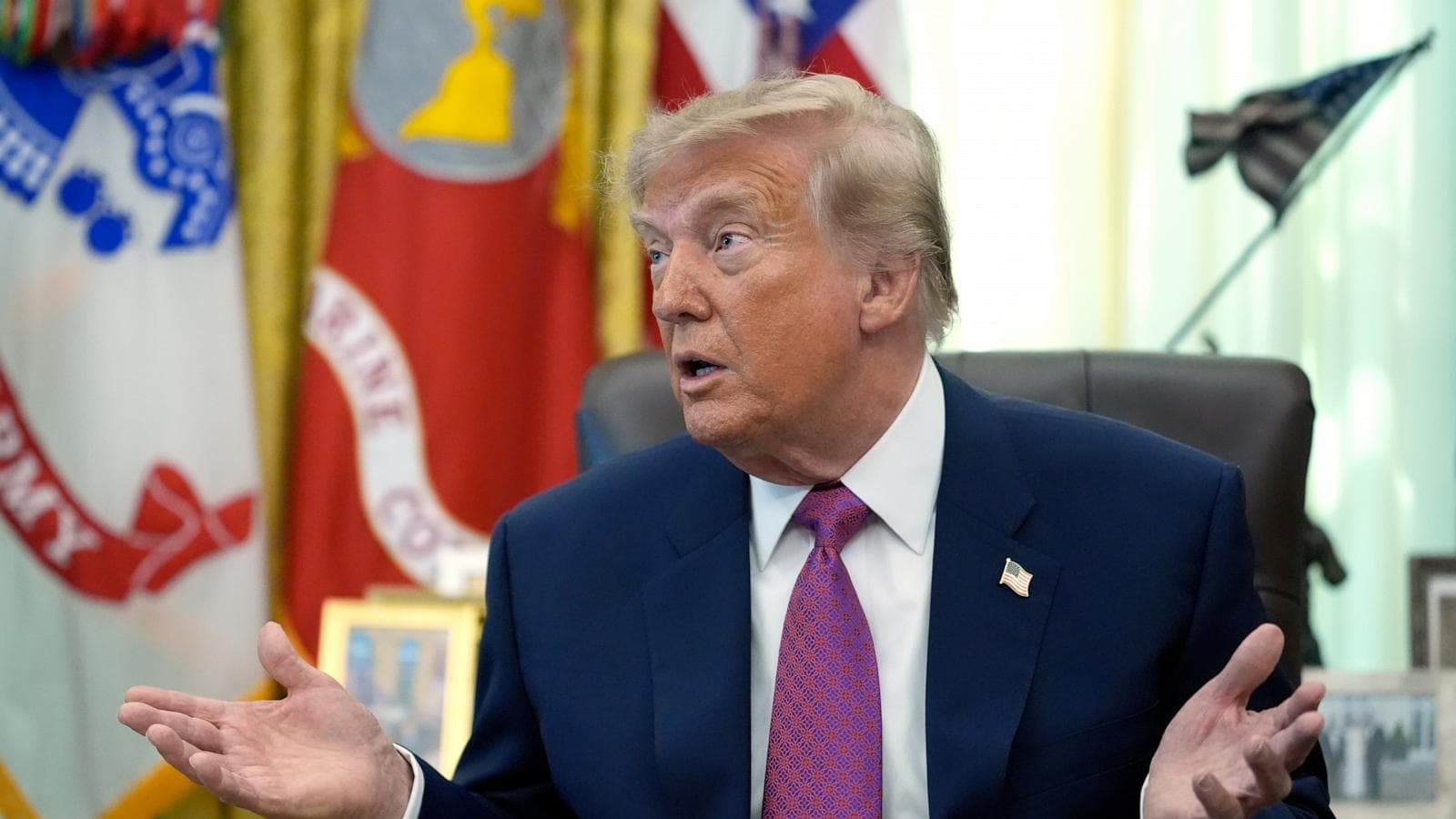
Here's what it means for you.
Rising energy costs and trade disruptions could impact your business and daily expenses.
Why it matters
The shift in U.S. strategy from military engagement to economic sanctions could reshape global energy markets and trade dynamics.
What happened (in 30 seconds)
- On August 28, 2026, President Trump announced a pivot from military operations against Iran to economic sanctions after six months of conflict.
- The conflict, which began in February 2026, was initially expected to be a brief military campaign but has evolved into a prolonged hybrid warfare scenario.
- Current status indicates ongoing economic pressure with no active negotiations, as the U.S. focuses on choking Iranian oil exports.
The context you actually need
- Initial expectations of a quick victory were dashed due to Iranian resilience and U.S. military resource constraints.
- Diplomatic efforts to resolve the conflict have repeatedly failed, leading to a reliance on sanctions and blockades.
- The economic impact of the conflict is significant, with U.S. costs estimated at $37.5 billion in the first six months and rising energy prices affecting global markets.
What's really happening
The U.S.-Israel military campaign against Iran, which began in late February 2026, was initially framed by President Trump as a short-term operation aimed at swiftly dismantling Iranian military capabilities. However, as the conflict dragged on, it became clear that the Iranian leadership, despite suffering significant losses, demonstrated resilience that exceeded U.S. expectations. This unexpected endurance, coupled with dwindling U.S. munitions and shifting political priorities ahead of the midterm elections, prompted a strategic pivot.
By August 2026, Trump announced a transition to "Operation Economic Outcast," emphasizing sanctions over military action. This shift reflects a broader trend in U.S. foreign policy where economic pressure is increasingly favored over direct military engagement. The administration's focus is now on crippling Iran's economy through sanctions targeting its trade partners, particularly in the oil sector, rather than pursuing further military operations. This approach aims to leverage economic tools to achieve strategic objectives while avoiding the political fallout of prolonged military involvement.
The implications of this shift are profound. For one, it signals a departure from traditional military engagements in the Middle East, which have often led to protracted conflicts with significant human and financial costs. Instead, the U.S. is attempting to exert influence through economic means, which could redefine its role in the region. However, this strategy is not without risks. The reliance on sanctions may provoke retaliatory measures from Iran and its allies, potentially destabilizing the region further.
Moreover, the economic fallout is already being felt globally. The Strait of Hormuz, a critical chokepoint for oil transit, has seen a drastic reduction in vessel traffic, impacting energy prices and trade routes. Dubai, a major trading hub, is experiencing elevated energy costs and shipping disruptions, which could ripple through the Gulf economies. As the U.S. continues to apply pressure, the broader implications for global energy markets and regional stability remain uncertain.
Who feels it first (and how)
- Energy sector professionals: Increased costs and volatility in oil prices directly affect profitability and operational costs.
- Logistics and shipping companies: Disruptions in vessel traffic through the Strait of Hormuz impact shipping schedules and costs.
- Consumers in the Gulf region: Rising energy prices translate to higher costs for goods and services, affecting daily expenses.
What to watch next
- Energy prices: Monitor fluctuations in global oil prices as sanctions impact Iranian exports and regional supply chains.
- Diplomatic negotiations: Watch for any shifts in mediation efforts by Qatar and Pakistan, which could signal a potential return to talks.
- Public sentiment in the U.S.: Keep an eye on polling data regarding Trump's popularity as the midterms approach, as public opinion could influence future policy decisions.
The U.S. has incurred significant costs in the first six months of the conflict, estimated at $37.5 billion.
Continued economic pressure on Iran will persist, with sanctions becoming the primary tool of U.S. strategy.
The long-term effectiveness of sanctions in achieving U.S. objectives without escalating military tensions remains uncertain.
Frequently Asked Questions
- Why it matters?
- The shift in U.S. strategy from military engagement to economic sanctions could reshape global energy markets and trade dynamics.
- What happened (in 30 seconds)?
- On August 28, 2026, President Trump announced a pivot from military operations against Iran to economic sanctions after six months of conflict. The conflict, which began in February 2026, was initially expected to be a brief military campaign but has evolved into a prolonged hybrid warfare scenario. Current status indicates ongoing economic pressure with no active negotiations, as the U.S. focuses on choking Iranian oil exports.
- What's really happening?
- The U.S.-Israel military campaign against Iran, which began in late February 2026, was initially framed by President Trump as a short-term operation aimed at swiftly dismantling Iranian military capabilities. However, as the conflict dragged on, it became clear that the Iranian leadership, despite suffering significant losses, demonstrated resilience that exceeded U.S. expectations. This unexpected endurance, coupled with dwindling U.S. munitions and shifting political priorities ahead of the mi
- Who feels it first (and how)?
- Energy sector professionals: Increased costs and volatility in oil prices directly affect profitability and operational costs. Logistics and shipping companies: Disruptions in vessel traffic through the Strait of Hormuz impact shipping schedules and costs. Consumers in the Gulf region: Rising energy prices translate to higher costs for goods and services, affecting daily expenses.
- What to watch next?
- Energy prices: Monitor fluctuations in global oil prices as sanctions impact Iranian exports and regional supply chains. Diplomatic negotiations: Watch for any shifts in mediation efforts by Qatar and Pakistan, which could signal a potential return to talks. Public sentiment in the U.S.: Keep an eye on polling data regarding Trump's popularity as the midterms approach, as public opinion could influence future policy decisions.
Global news coverage with extensive reporting on Middle Eastern conflicts and geopolitics.
"Al Jazeera is a Qatar-based broadcaster known for wide regional coverage and alternative perspectives."
— A47 Editor
6 months of war on Iran
The US-Israeli military campaign against Iran has now entered its sixth month, showing no signs of de-escalation. This ongoing conflict has resulted in significant casualties and economic repercussions, including rising petrol prices in over 145 coun...
Comprehensive coverage of Middle Eastern and global issues.
"Al Jazeera is a prominent voice from the Global South, especially the Middle East, with an emphasis on underreported stories."
— A47 Editor
6 months of war on Iran
The US-Israeli military campaign against Iran has now entered its sixth month, showing no signs of de-escalation. This ongoing conflict has resulted in significant casualties and economic repercussions, including rising petrol prices in over 145 coun...
Right-of-center views on political news.
"The Washington Times is a conservative-leaning newspaper known for its political coverage and advocacy of right-of-center viewpoints."
— A47 Editor
Trump used to say he saw a quick end to his Iran war, but 6 months later he claims he's in no hurry
President Donald Trump acknowledges the six-month mark of the U.S.-Iran conflict, a situation he initially described as a brief engagement. He now indicates a lack of urgency to conclude military actions, reflecting a significant shift in his adminis...
Corporate leadership, finance, technology, and market trends.
"Fortune covers financial trends, leadership, and innovation with a pragmatic editorial approach."
— A47 Editor
‘I don’t have to announce everything, do I?’ Trump bristles at questions over blocked Hormuz, sanction-free China
Former President Donald Trump expressed reluctance to engage in negotiations regarding the ongoing tensions in the Strait of Hormuz, emphasizing that he is not in a hurry to return to the table. This statement comes as the Iran War marks its six-mont...
Global business headlines with AI angles.
"General business outlet that frequently covers AI."
— A47 Editor
The U.S.-Iran War Hit The Six Month Mark. Russia Believes Washington Has Been Weakened By The Conflict.
The U.S.-Iran conflict has reached its six-month mark, with reports indicating that the U.S. is facing significant shortages of equipment and ammunition due to ongoing military operations against Iran, particularly in the strategic Strait of Hormuz.
Major U.S. developments and regional news.
"ABC News delivers broad national coverage with a mainstream editorial stance, focusing on accessibility and balanced reporting."
— A47 Editor
Trump used to say he saw a quick end to his Iran war, but 6 months later he claims he's in no hurry
President Donald Trump marks the six-month anniversary of the U.S.-Iran conflict, a situation he initially predicted would resolve quickly. However, he now states that there is no rush to conclude the military engagement, indicating a shift in strate...
Capitol Hill news, legislation, and policy insight.
"The Hill specializes in U.S. politics and policy, with a focus on Capitol Hill developments and a reputation for insider reporting."
— A47 Editor
Iran war shifts into neutral as six-month mark arrives
Today marks six months since the onset of the war with Iran, which President Trump initially predicted would conclude within weeks. The conflict has transitioned into a prolonged phase characterized by a tense but relatively quiet standoff, with no s...
A curated Gulf News feed featuring major stories across news, business, opinion, and lifestyle.
"Gulf News is a major UAE newspaper whose featured stories feed reflects a broad editorial mix shaped for a Gulf audience."
— A47 Editor
Six months on, Trump claims he’s in no hurry to end Iran war
Six months into the ongoing conflict between the United States and Iran, former President Donald Trump has stated he is 'not in a hurry' to conclude the war, indicating a shift from initial expectations of a swift resolution. This prolonged military ...
UAE-based newspaper covering Gulf politics, society, and international developments.
"Gulf News is one of the UAE’s most prominent English-language publications."
— A47 Editor
Six months on, Trump claims he’s in no hurry to end Iran war
Six months into the ongoing conflict between the United States and Iran, former President Donald Trump has stated he is 'not in a hurry' to conclude the war, indicating a shift from initial expectations of a swift resolution. This prolonged military ...
UAE-based newspaper covering Gulf politics, society, and international developments.
"Gulf News is one of the UAE’s most prominent English-language publications."
— A47 Editor
Iran war enters sixth month as Donald Trump's goals keep shifting
The ongoing war in Iran has now entered its sixth month, with former President Donald Trump's objectives appearing to shift as the conflict continues. Initial expectations for a swift resolution have not materialized, leading to a stalemate in milita...
A curated Gulf News feed featuring major stories across news, business, opinion, and lifestyle.
"Gulf News is a major UAE newspaper whose featured stories feed reflects a broad editorial mix shaped for a Gulf audience."
— A47 Editor
Iran war enters sixth month as Donald Trump's goals keep shifting
The ongoing war in Iran has now entered its sixth month, with former President Donald Trump's objectives appearing to shift as the conflict continues. Initial expectations for a swift resolution have not materialized, leading to a stalemate in milita...
Pan-Arab news coverage spanning politics, business, sports, and regional affairs.
"Asharq Al-Awsat reflects a broad Arab editorial perspective with strong attention to regional geopolitics."
— A47 Editor
6 أشهر من الحرب: أميركا تبحث عن انتصار... وإيران لمخرج من الحصار
Six months into the ongoing conflict, the Trump administration is still seeking a clear victory, while Iran is looking for a way to end the decades-long sanctions it faces. This situation highlights the ongoing geopolitical tensions and the challenge...
Pan-Arab news coverage spanning politics, business, sports, and regional affairs.
"Asharq Al-Awsat reflects a broad Arab editorial perspective with strong attention to regional geopolitics."
— A47 Editor
6 تداعيات لـ6 أشهر من حرب إيران
After six months of military actions by the United States and Israel against Iran, the conflict, initially described by President Donald Trump as a 'little outing,' has devolved into a significant quagmire facing widespread opposition.
Comprehensive coverage of Middle Eastern and global issues.
"Al Jazeera is a prominent voice from the Global South, especially the Middle East, with an emphasis on underreported stories."
— A47 Editor
Six months of the Iran war – as told through Trump’s social media posts
The ongoing conflict between the United States and Iran has been marked by a series of significant developments over the past six months, as reflected in President Trump's social media posts. These posts chronicle the progression from the announcemen...
Global news coverage with extensive reporting on Middle Eastern conflicts and geopolitics.
"Al Jazeera is a Qatar-based broadcaster known for wide regional coverage and alternative perspectives."
— A47 Editor
Six months of the Iran war – as told through Trump’s social media posts
The ongoing conflict between the United States and Iran has been marked by a series of significant developments over the past six months, as reflected in President Trump's social media posts. These posts chronicle the progression from the announcemen...
Regional coverage and analysis focused on politics, diplomacy, and business across the Middle East.
"Al-Monitor is known for analytical reporting on Middle East politics and policy developments."
— A47 Editor
Six consequences of six months of war in Iran
Six months into the conflict initiated by the United States and Israel against Iran, the situation has devolved into a stalemate, with President Trump’s initial predictions of a swift resolution proving inaccurate. The war has not only failed to achi...
Comprehensive coverage of Middle Eastern and global issues.
"Al Jazeera is a prominent voice from the Global South, especially the Middle East, with an emphasis on underreported stories."
— A47 Editor
Trump says Iran war will continue for as long as necessary
Former President Donald Trump has stated that the military engagement with Iran will persist for as long as deemed necessary, reflecting ongoing tensions between the two nations. This assertion comes amid a backdrop of escalating military and economi...
Global news coverage with extensive reporting on Middle Eastern conflicts and geopolitics.
"Al Jazeera is a Qatar-based broadcaster known for wide regional coverage and alternative perspectives."
— A47 Editor
Trump says Iran war will continue for as long as necessary
Former President Donald Trump has stated that the military engagement with Iran will persist for as long as deemed necessary, reflecting ongoing tensions between the two nations. This assertion comes amid a backdrop of escalating military and economi...
Arabic-language coverage of political affairs and current events.
"Okaz political coverage typically follows mainstream Saudi framing on national and regional affairs."
— A47 Editor
ترمب: لا جدول زمنياً للمفاوضات.. والحرب تقترب من نهايتها
U.S. President Donald Trump predicted the imminent end of the war between the United States and Iran, stating there is no timeline for returning to negotiations. He emphasized that the Strait of Hormuz is open and that U.S. forces have successfully e...