
Iran Signals Potential for Diplomatic Resolution Amid Ongoing US-Iran Conflict Stalemate
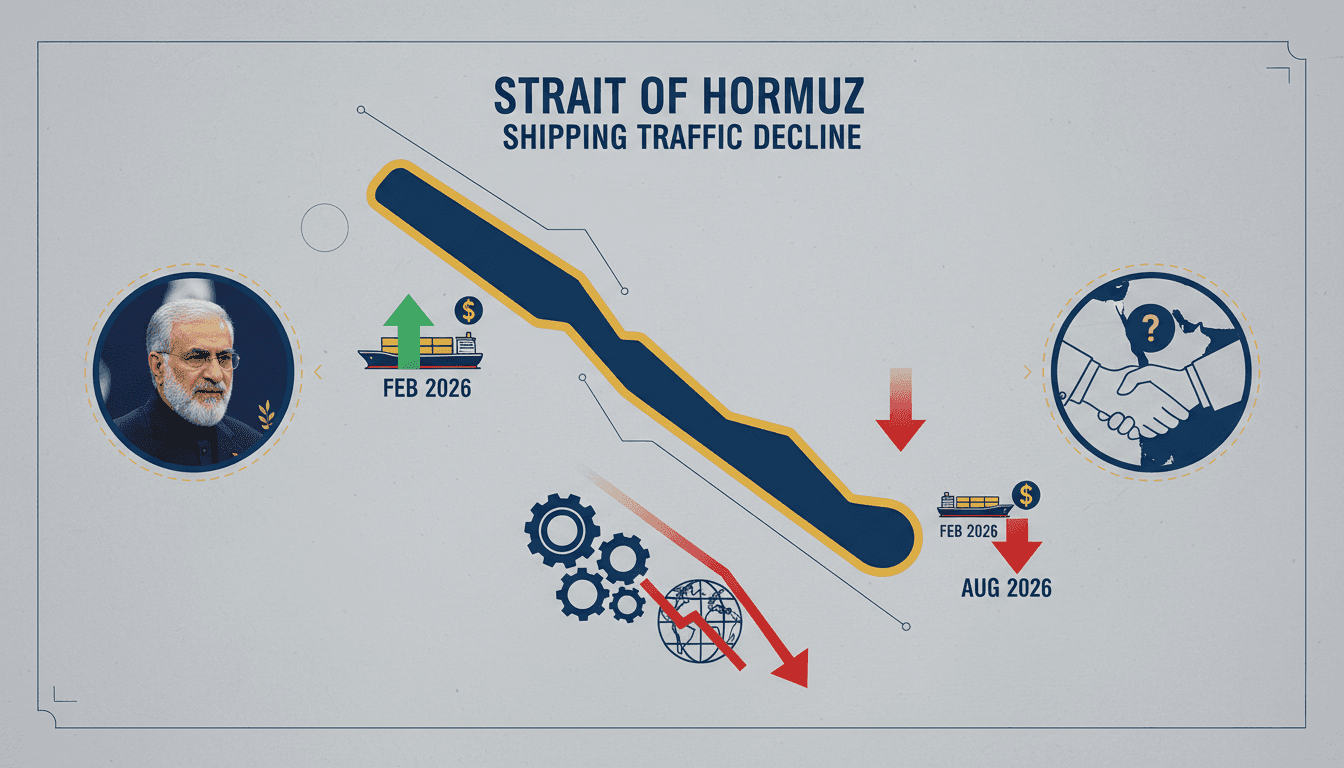
Here's what it means for you.
The ongoing US-Iran conflict could reshape energy markets and economic stability in the region, impacting global trade routes.
Why it matters
The Strait of Hormuz is a critical chokepoint for global oil shipments, and its blockade has significant implications for energy prices and international relations.
What happened (in 30 seconds)
- Iranian Foreign Minister Abbas Araghchi indicated on August 28, 2026, that a return to diplomacy with the US is "not impossible."
- The conflict, which began with US-Israeli strikes on February 28, 2026, has led to a blockade of the Strait of Hormuz, severely disrupting shipping traffic.
- Mediators from Qatar, Oman, and Pakistan are pushing for a conditional reopening of the vital waterway amid ongoing economic pressure and sanctions.
The context you actually need
- The conflict escalated from failed nuclear negotiations, culminating in the assassination of Iran's Supreme Leader Ali Khamenei.
- Daily commercial transits through the Strait of Hormuz have plummeted by 95%, from over 130 vessels to approximately 5 per day.
- Internal divisions within Iran are growing, complicating the regime's response to negotiations and increasing economic strain on the population.
What's really happening
The US-Iran conflict has reached a critical juncture as it marks six months of stalemate, characterized by military posturing and economic sanctions. The initial spark of the conflict was the US-Israeli strikes that killed Iran's Supreme Leader, leading to a series of retaliatory measures and a blockade of the Strait of Hormuz. This vital waterway, responsible for approximately 20% of the world's oil trade, has seen a drastic reduction in shipping traffic, which has exacerbated global energy prices and created a ripple effect on economies reliant on oil imports.
Iran's Foreign Minister, Abbas Araghchi, has recently signaled a potential shift towards diplomacy, suggesting that the US's pressure tactics have failed. He emphasized the need for trust-building measures and recognition of Iranian rights, indicating a willingness to engage in dialogue if the US alters its approach. This statement comes amid ongoing mediation efforts by Qatar, Oman, and Pakistan, who are advocating for a conditional reopening of the Strait of Hormuz.
The US, however, continues its "maximum pressure" campaign, imposing new sanctions aimed at crippling Iran's economy. These sanctions have been described as "economic D-Day," with US officials asserting that Iran is on the brink of collapse. The economic implications are severe, with Brent crude oil prices hovering around $89 per barrel, reflecting the ongoing disruption in oil markets.
Internally, Iran faces significant challenges as divisions within the regime grow. The new supreme leader is under pressure from hardliners who demand a more aggressive stance against the US, complicating the potential for negotiations. The Iranian economy is under strain, with rising costs of living and reduced trade exacerbating public discontent.
As the situation evolves, the potential for renewed diplomacy hinges on both sides' willingness to compromise and the effectiveness of mediators in facilitating dialogue. The stakes are high, not just for Iran and the US, but for global energy markets and regional stability.
Who feels it first (and how)
- Energy Sector: Oil companies and traders are directly impacted by fluctuating prices and supply disruptions.
- Shipping Industry: Companies reliant on the Strait of Hormuz for transit face increased costs and delays.
- Consumers: Rising fuel prices and economic instability affect households, particularly in oil-importing nations.
- Regional Economies: Countries like the UAE and Qatar experience economic pressure due to reduced trade and tourism.
What to watch next
- Diplomatic Engagements: Monitor any new talks or agreements facilitated by mediators, as these could signal a shift in the conflict.
- Sanction Developments: Watch for changes in US sanctions policy, which could impact Iran's economic stability and willingness to negotiate.
- Oil Market Reactions: Keep an eye on Brent crude prices and shipping traffic through the Strait of Hormuz, as these will indicate the conflict's economic impact.
The Strait of Hormuz remains under blockade, severely limiting shipping traffic and impacting global oil prices.
Continued mediation efforts may lead to conditional negotiations, but significant hurdles remain.
The internal dynamics within Iran and their impact on the regime's negotiation strategy are unpredictable.
Frequently Asked Questions
- Why it matters?
- The Strait of Hormuz is a critical chokepoint for global oil shipments, and its blockade has significant implications for energy prices and international relations.
- What happened (in 30 seconds)?
- Iranian Foreign Minister Abbas Araghchi indicated on August 28, 2026, that a return to diplomacy with the US is "not impossible." The conflict, which began with US-Israeli strikes on February 28, 2026, has led to a blockade of the Strait of Hormuz, severely disrupting shipping traffic. Mediators from Qatar, Oman, and Pakistan are pushing for a conditional reopening of the vital waterway amid ongoing economic pressure and sanctions.
- What's really happening?
- The US-Iran conflict has reached a critical juncture as it marks six months of stalemate, characterized by military posturing and economic sanctions. The initial spark of the conflict was the US-Israeli strikes that killed Iran's Supreme Leader, leading to a series of retaliatory measures and a blockade of the Strait of Hormuz. This vital waterway, responsible for approximately 20% of the world's oil trade, has seen a drastic reduction in shipping traffic, which has exacerbated global energy pri
- Who feels it first (and how)?
- Energy Sector: Oil companies and traders are directly impacted by fluctuating prices and supply disruptions. Shipping Industry: Companies reliant on the Strait of Hormuz for transit face increased costs and delays. Consumers: Rising fuel prices and economic instability affect households, particularly in oil-importing nations. Regional Economies: Countries like the UAE and Qatar experience economic pressure due to reduced trade and tourism.
- What to watch next?
- Diplomatic Engagements: Monitor any new talks or agreements facilitated by mediators, as these could signal a shift in the conflict. Sanction Developments: Watch for changes in US sanctions policy, which could impact Iran's economic stability and willingness to negotiate. Oil Market Reactions: Keep an eye on Brent crude prices and shipping traffic through the Strait of Hormuz, as these will indicate the conflict's economic impact.
UAE-based English-language newspaper covering regional politics, economics, and global affairs.
"The National reflects Emirati policy perspectives while maintaining international editorial standards."
— A47 Editor
Return to diplomacy 'not impossible', says Araghchi as Iran war hits six-month mark
Iran's Deputy Foreign Minister Abbas Araghchi stated that a return to diplomacy is 'not impossible' as the ongoing conflict in Iran marks its six-month milestone. This statement reflects a potential shift in Iran's approach to international negotiati...
Arabic-language coverage of political affairs and current events.
"Okaz political coverage typically follows mainstream Saudi framing on national and regional affairs."
— A47 Editor
بعد عملية «المنبوذ الاقتصادي».. طهران تستجدي التفاوض مع واشنطن
Iranian Foreign Minister Abbas Araghchi stated that restoring diplomatic relations with the United States is not impossible, but requires a change in Washington's approach towards Tehran, emphasizing the need for trust-building and recognition of Ira...
Regional coverage and analysis focused on politics, diplomacy, and business across the Middle East.
"Al-Monitor is known for analytical reporting on Middle East politics and policy developments."
— A47 Editor
Iran says still open to diplomacy as war with US hits six months
Iran has reiterated its openness to diplomatic negotiations with the United States, six months into a war that has significantly altered the geopolitical landscape of the Middle East. Iranian Foreign Minister Abbas Araghchi emphasized that a return t...