
Trump Asserts US Control Over Strait of Hormuz Amid Ongoing Military Actions Against Iran
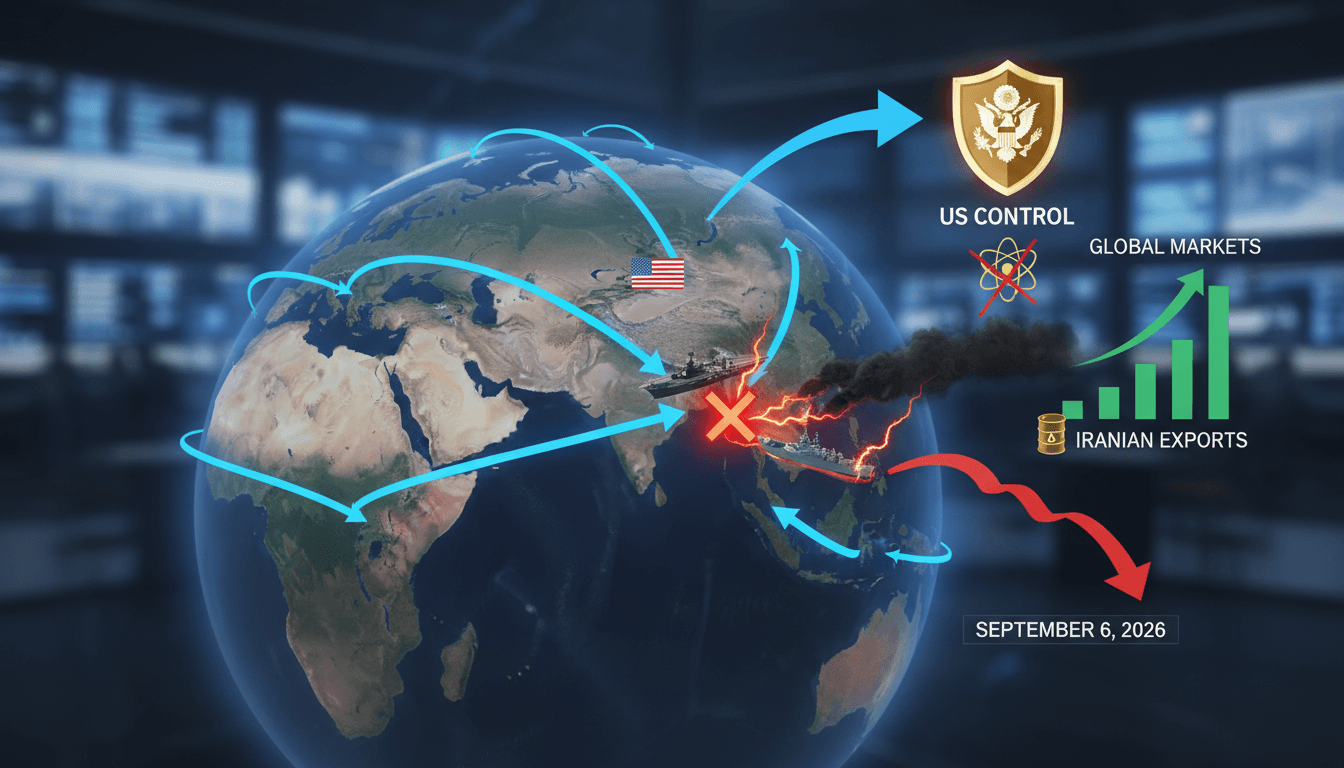
Here's what it means for you.
If you rely on global oil markets or logistics in the Gulf, ongoing tensions could impact your costs and operations.
Why it matters
The evolving US-Iran conflict and the shifting significance of the Strait of Hormuz could reshape energy markets and regional stability.
What happened (in 30 seconds)
- Trump reaffirmed that Iran will not acquire a nuclear weapon, citing successful US military strikes.
- The Strait of Hormuz's strategic importance has diminished due to alternative routes, according to Trump.
- Ongoing military operations and economic sanctions against Iran continue, with EU support for US measures.
The context you actually need
- The US-Iran conflict escalated after joint US-Israeli strikes on Iranian nuclear facilities in February 2026.
- The Strait of Hormuz previously accounted for approximately 20% of global oil trade, but new pipelines are changing this dynamic.
- Economic sanctions are being reinforced by the EU, targeting Iranian financing of nuclear and proxy activities.
What's really happening
On September 6, 2026, President Donald Trump reiterated the US commitment to preventing Iran from acquiring nuclear weapons, framing the ongoing military actions as limited rather than a full-scale war. This statement comes in the context of a protracted conflict that began with US and Israeli strikes on Iranian nuclear and military sites earlier in the year. The initial goal was to dismantle Iran's nuclear program, which was reportedly close to achieving breakout capability.
As the conflict evolved, Iran attempted to disrupt shipping in the Strait of Hormuz, a critical maritime route for global oil trade. In response, the US has conducted intermittent military strikes targeting Iranian military capabilities, including advanced radar systems and nuclear sites. Trump emphasized that the US maintains control over the Strait, despite its diminishing strategic weight due to the emergence of alternative pipelines and routes, particularly through Syria.
The Vice President, JD Vance, supported Trump's characterization of the operations, arguing that the absence of large-scale military exchanges does not constitute a war. Meanwhile, Treasury Secretary Scott Bessent announced that the European Union would join the US in implementing sanctions aimed at isolating Iran economically. This coordinated effort seeks to cut off funding for Iran's nuclear ambitions and its proxy activities in the region.
The implications of these developments are significant. The Strait of Hormuz, which previously facilitated a substantial portion of the world's oil trade, is now facing reduced relevance as new routes emerge. This shift could lead to increased volatility in global oil markets, affecting prices and supply chains. Additionally, the ongoing military presence and economic sanctions may create a prolonged period of instability in the region, impacting not only Iran but also neighboring countries and global markets.
Who feels it first (and how)
- Logistics companies: Increased shipping costs and insurance premiums due to heightened risks in the Gulf.
- Energy sector professionals: Fluctuating oil prices and supply chain disruptions affecting operations and profitability.
- Expatriates in Dubai: Economic ripple effects from regional tensions impacting job security and living costs.
What to watch next
- Oil price fluctuations: Monitor how ongoing military actions and sanctions affect global oil prices, which could impact your costs.
- EU sanctions effectiveness: Watch for updates on the impact of EU sanctions on Iran's economy and nuclear program.
- Regional stability indicators: Keep an eye on developments in the Gulf region that could signal shifts in geopolitical dynamics.
The US is conducting military operations against Iranian targets.
Continued volatility in oil markets as tensions persist.
The long-term effectiveness of sanctions on Iran's nuclear ambitions.
Frequently Asked Questions
- Why it matters?
- The evolving US-Iran conflict and the shifting significance of the Strait of Hormuz could reshape energy markets and regional stability.
- What happened (in 30 seconds)?
- Trump reaffirmed that Iran will not acquire a nuclear weapon, citing successful US military strikes. The Strait of Hormuz's strategic importance has diminished due to alternative routes, according to Trump. Ongoing military operations and economic sanctions against Iran continue, with EU support for US measures.
- What's really happening?
- On September 6, 2026, President Donald Trump reiterated the US commitment to preventing Iran from acquiring nuclear weapons, framing the ongoing military actions as limited rather than a full-scale war. This statement comes in the context of a protracted conflict that began with US and Israeli strikes on Iranian nuclear and military sites earlier in the year. The initial goal was to dismantle Iran's nuclear program, which was reportedly close to achieving breakout capability. As the conflict ev
- Who feels it first (and how)?
- Logistics companies: Increased shipping costs and insurance premiums due to heightened risks in the Gulf. Energy sector professionals: Fluctuating oil prices and supply chain disruptions affecting operations and profitability. Expatriates in Dubai: Economic ripple effects from regional tensions impacting job security and living costs.
- What to watch next?
- Oil price fluctuations: Monitor how ongoing military actions and sanctions affect global oil prices, which could impact your costs. EU sanctions effectiveness: Watch for updates on the impact of EU sanctions on Iran's economy and nuclear program. Regional stability indicators: Keep an eye on developments in the Gulf region that could signal shifts in geopolitical dynamics.
Arabic-language coverage of Saudi, regional, and international affairs.
"Al Bilad offers mainstream Saudi newspaper coverage across domestic and broader Arab topics."
— A47 Editor
قال إن هرمز لم يعد بأهميته السابقة.. ترمب يؤكد مجدداً: إيران لن تمتلك سلاحاً نووياً
U.S. President Donald Trump reiterated that Iran will not acquire nuclear weapons, describing the confrontation with Tehran as a straightforward matter for the United States. Vice President JD Vance emphasized that U.S. military operations against Ir...
Jordanian news and regional updates.
"Roya News is a Jordanian outlet focused on breaking news and local affairs."
— A47 Editor
ترمب: الحرب مع إيران أمر بسيط بالنسبة إلى الولايات المتحدة
On Friday, President Donald Trump downplayed the scale of the confrontation with Iran, suggesting that a potential war with the country would be a simple matter for the United States. This statement reflects the ongoing tensions between the two natio...
Arabic-language coverage of political affairs and current events.
"Okaz political coverage typically follows mainstream Saudi framing on national and regional affairs."
— A47 Editor
ترمب: أمريكا تمتلك كميات شبه غير محدودة من الذخائر للحرب في إيران
On Thursday, U.S. President Donald Trump stated that the United States possesses nearly unlimited quantities of medium and high-quality munitions for potential use in a conflict with Iran or any other war, asserting readiness for any sudden outbreak ...