
U.S. Renames Lake Ontario to Lake America in Federal Records Following Executive Order
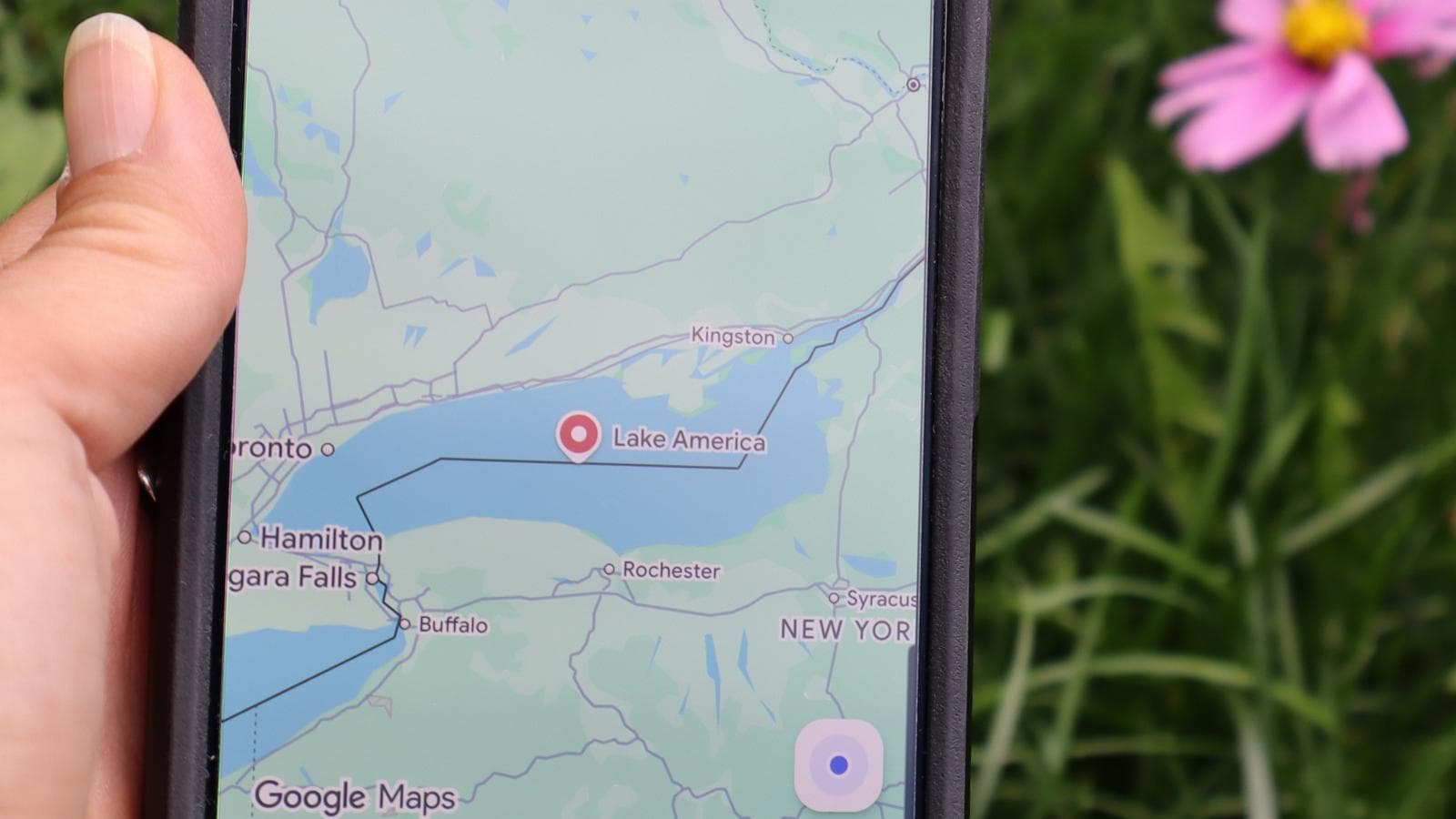
Here's what it means for you.
If you rely on U.S. geographic data for business or travel, expect discrepancies in location names that could affect navigation and logistics.
Why it matters
This renaming reflects escalating tensions in U.S.-Canada trade relations, potentially influencing cross-border commerce.
What happened (in 30 seconds)
- On August 27, 2026, President Trump signed an executive order renaming Lake Ontario to Lake America in U.S. federal records.
- Google Maps updated its application on August 30, 2026, to reflect this change for U.S. users while maintaining the original name for Canadian users.
- Canadian officials rejected the name change, affirming the original designation in all official contexts.
The context you actually need
- The renaming is part of a broader trade conflict between the U.S. and Canada, which has seen reciprocal tariffs on billions of dollars in goods.
- This is not the first instance of geographic renaming; a similar executive order in 2025 renamed the Gulf of Mexico to the Gulf of America.
- The change is limited to U.S. federal usage and does not affect Canadian or international designations, highlighting the symbolic nature of the action.
What's really happening
The executive order signed by President Trump on August 27, 2026, is a strategic move amid a backdrop of escalating trade tensions with Canada. The U.S. has been engaged in a trade conflict with Canada, characterized by reciprocal tariffs that have affected billions of dollars in goods. By renaming Lake Ontario to Lake America, the administration aims to assert a sense of national identity and sovereignty over geographic nomenclature, which can be seen as a symbolic gesture in the context of broader economic disputes.
The U.S. Department of the Interior and the Board on Geographic Names were tasked with implementing the name change within 30 days, ensuring that all federal documents, maps, and communications reflect the new designation. Google, adhering to its policy of aligning with the U.S. Geographic Names Information System (GNIS), updated its Maps application to display Lake America for users in the U.S. This differentiation in naming based on user location underscores the complexities of geographic data management in a globalized world.
Canadian officials, including Prime Minister Mark Carney and Ontario Premier Doug Ford, have publicly rejected the name change, emphasizing the historical and cultural significance of Lake Ontario. Ford even installed a billboard affirming the original name, signaling a strong provincial response to the U.S. action. New York Governor Kathy Hochul also stated that the state would retain the original designation, indicating a potential divide in how geographic names are perceived and utilized across borders.
The public reaction has included a mix of memes and commentary, with many viewing the order as largely symbolic rather than a substantive change. No immediate economic shifts have been documented beyond the existing tariff measures, suggesting that while the renaming may resonate politically, its practical implications for trade and commerce remain limited for now. However, the partial implementation of the name change by Apple Maps indicates that this issue may continue to evolve, potentially leading to further discussions about geographic naming conventions in the context of international relations.
Who feels it first (and how)
- Travelers and tourists: Those navigating between the U.S. and Canada may experience confusion due to differing names on maps.
- Businesses reliant on geographic data: Companies involved in logistics and shipping may need to adjust their systems to account for the name change.
- Local governments and officials: They may face pressure to address the implications of the renaming in their communications and public services.
What to watch next
- Public sentiment: Monitor how citizens in both countries react to the name change and whether it influences broader discussions on national identity.
- Trade negotiations: Watch for any shifts in U.S.-Canada trade talks that may arise from this symbolic gesture, particularly regarding tariffs and trade agreements.
- Geographic data updates: Keep an eye on how other mapping services and geographic databases respond to the executive order and whether further changes are implemented.
The name change has been implemented in U.S. federal records and Google Maps for U.S. users.
The renaming will continue to be a point of contention in U.S.-Canada relations, potentially affecting trade discussions.
The long-term impact on cross-border commerce and public perception remains to be seen.
Frequently Asked Questions
- Why it matters?
- This renaming reflects escalating tensions in U.S.-Canada trade relations, potentially influencing cross-border commerce.
- What happened (in 30 seconds)?
- On August 27, 2026, President Trump signed an executive order renaming Lake Ontario to Lake America in U.S. federal records. Google Maps updated its application on August 30, 2026, to reflect this change for U.S. users while maintaining the original name for Canadian users. Canadian officials rejected the name change, affirming the original designation in all official contexts.
- What's really happening?
- The executive order signed by President Trump on August 27, 2026, is a strategic move amid a backdrop of escalating trade tensions with Canada. The U.S. has been engaged in a trade conflict with Canada, characterized by reciprocal tariffs that have affected billions of dollars in goods. By renaming Lake Ontario to Lake America, the administration aims to assert a sense of national identity and sovereignty over geographic nomenclature, which can be seen as a symbolic gesture in the context of bro
- Who feels it first (and how)?
- Travelers and tourists: Those navigating between the U.S. and Canada may experience confusion due to differing names on maps. Businesses reliant on geographic data: Companies involved in logistics and shipping may need to adjust their systems to account for the name change. Local governments and officials: They may face pressure to address the implications of the renaming in their communications and public services.
- What to watch next?
- Public sentiment: Monitor how citizens in both countries react to the name change and whether it influences broader discussions on national identity. Trade negotiations: Watch for any shifts in U.S.-Canada trade talks that may arise from this symbolic gesture, particularly regarding tariffs and trade agreements. Geographic data updates: Keep an eye on how other mapping services and geographic databases respond to the executive order and whether further changes are implemented.
UK and international business news, economics, and corporate coverage.
"The Guardian’s business section covers finance and markets with a progressive editorial tone."
— A47 Editor
Apple Maps renames Lake Ontario as ‘Lake America’ for US users after Trump order
Apple has renamed Lake Ontario as 'Lake America' for users of its Maps app in the U.S. following an executive order from President Donald Trump, which aims to assert U.S. claims over the lake amid ongoing trade tensions with Canada. Users outside the...
International coverage from The Guardian's global desks.
"The Guardian is known for its progressive editorial stance and in-depth analysis."
— A47 Editor
Apple Maps renames Lake Ontario as ‘Lake America’ for US users after Trump order
Apple has renamed Lake Ontario as 'Lake America' for users of its Maps app in the U.S. following an executive order from President Donald Trump, which aims to assert U.S. claims over the lake amid ongoing trade tensions with Canada. Users outside the...
Tech culture, product news, and critical takes on the tech industry's social impact.
"The Guardian's tech coverage blends mainstream news, critical analysis, and cultural commentary on emerging technologies and digital trends."
— A47 Editor
Apple Maps renames Lake Ontario as ‘Lake America’ for US users after Trump order
Apple has renamed Lake Ontario as 'Lake America' for users of its Maps app in the U.S. following an executive order from President Donald Trump, which aims to assert U.S. claims over the lake amid ongoing trade tensions with Canada. Users outside the...
Business tech stories, startups, and innovation coverage.
"The Los Angeles Times is a major West Coast newspaper offering in-depth reporting with a liberal editorial tone and strong regional focus."
— A47 Editor
Apple, Google rename Lake Ontario to Lake America after Trump order
Tech companies Apple and Google have renamed Lake Ontario to Lake America following an order from former President Trump, a move that has emerged amid ongoing trade tensions with Canada. This decision raises questions about how navigation apps will a...
News across North, Central, and South America including politics and economics.
"France 24 is viewed as a globally focused outlet with balanced coverage and a European perspective."
— A47 Editor
Google Maps changes Lake Ontario to 'Lake America' as MapQuest downloads surge
Google Maps has changed the name of Lake Ontario to 'Lake America' for U.S. users following an executive order by President Donald Trump, while Canadians continue to see the original name. This renaming has led to a surge in downloads for MapQuest, w...
Reporting on North, Central, and South America, plus the Caribbean.
"The Guardian is known for its progressive editorial stance and in-depth analysis."
— A47 Editor
MapQuest app reaches No 1 on US Apple list after defying Trump’s Lake Ontario order
The MapQuest app has surged to the top of the US Apple download charts, surpassing competitors like Google Maps and Apple Maps, following its refusal to comply with President Donald Trump's executive order to rename Lake Ontario as 'Lake America.' Th...
Technology innovations, startups, and trends.
"ABC News delivers broad national coverage with a mainstream editorial stance, focusing on accessibility and balanced reporting."
— A47 Editor
Lake Ontario now called Lake America on Google Maps for US users after Trump ordered name change
Google has updated its maps application to rename Lake Ontario as 'Lake America' for users in the United States, following an executive order from former President Trump. This change reflects ongoing trade tensions between the U.S. and Canada, raisin...