
Trump Issues Trade Embargo Threat Linked to Federal Reserve Interest Rates
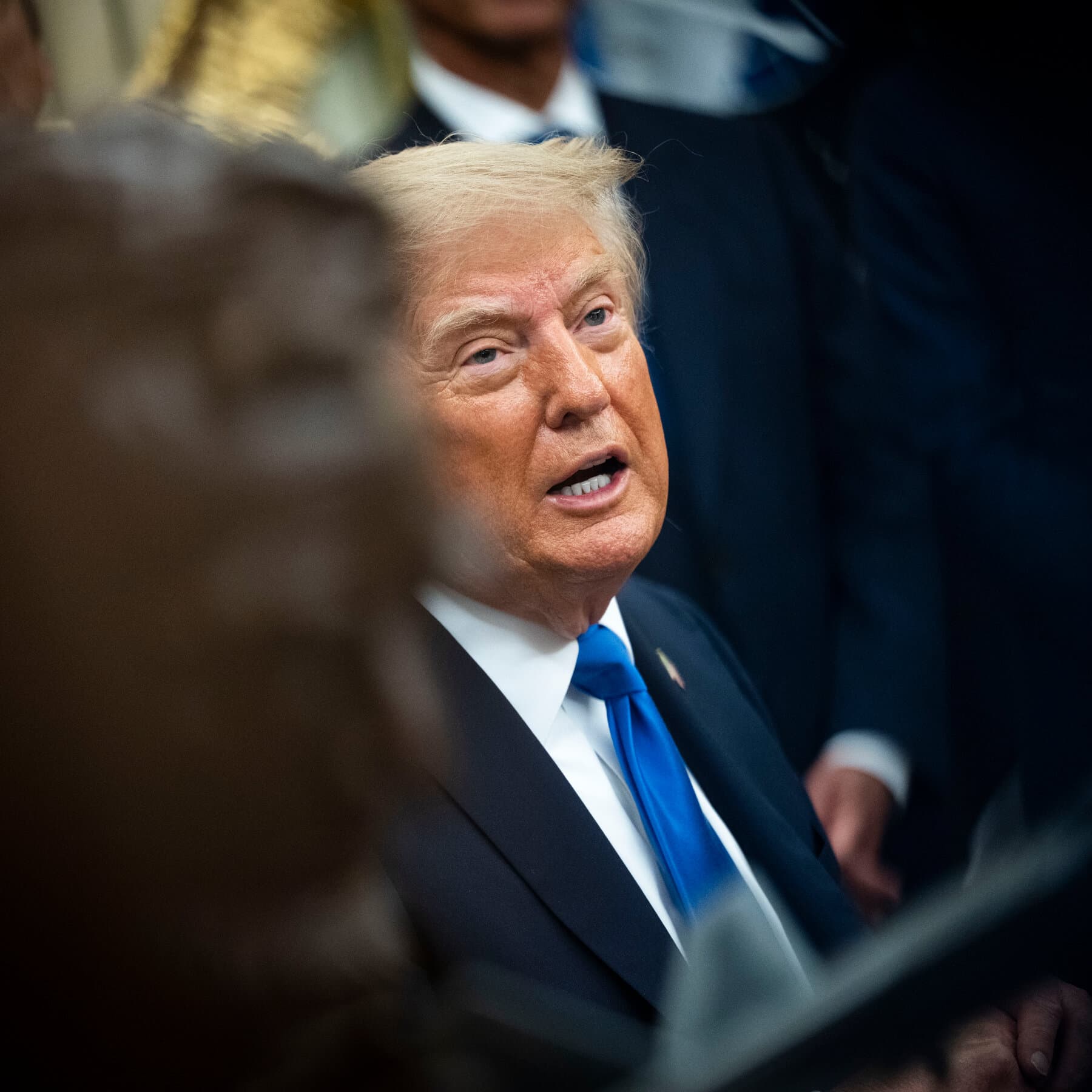
Here's what it means for you.
If you work in finance or international trade, prepare for potential volatility in markets and supply chains.
Why it matters
This threat could reshape U.S. trade relations and impact global economic stability.
What happened (in 30 seconds)
- On September 4, 2026, President Trump threatened to halt trade with countries running trade surpluses unless the Federal Reserve cuts interest rates.
- The ultimatum followed strong employment data, with 162,000 jobs added in August, which Trump used to bolster his argument.
- Financial markets reacted with limited immediate impact, viewing the statement as more rhetorical than actionable.
The context you actually need
- Trump's history of pressuring the Federal Reserve for lower rates stems from ongoing inflation concerns and trade tensions with nations like Canada and China.
- The Federal Reserve, under Chair Kevin Warsh, has maintained steady rates since December, despite some policymakers hinting at potential hikes.
- A recent Supreme Court ruling on tariffs has been cited by Trump as a basis for his authority to impose trade restrictions.
What's really happening
President Trump's threat to impose a trade embargo against nations with which the U.S. has a trade deficit is a significant escalation in his ongoing campaign to influence the Federal Reserve's monetary policy. By demanding immediate interest rate cuts, Trump aims to stimulate domestic economic growth, arguing that high rates disadvantage American businesses and consumers. His ultimatum came after the Bureau of Labor Statistics reported that 162,000 jobs were added in August, a figure he highlighted to justify his demands.
This situation reflects a broader tension between the executive branch and the Federal Reserve, an independent body traditionally insulated from political pressures. Trump's rhetoric suggests a desire to reshape the Fed's role, urging it to act in what he terms a "patriotic" manner. This could set a precedent for future administrations to exert similar pressures, potentially undermining the Fed's credibility and independence.
The implications of such a trade embargo could be profound. If implemented, it could disrupt global supply chains, particularly affecting industries reliant on imports from surplus nations. Economists warn that such actions could lead to supply shocks, impacting prices and availability of goods in the U.S. market. Furthermore, legal challenges could arise, questioning the president's authority to impose such trade restrictions unilaterally.
While financial markets showed limited immediate reaction, analysts remain cautious. They interpret Trump's statements as more of a negotiating tactic rather than a concrete policy shift. However, the potential for increased volatility in markets remains, especially if the Fed's response to Trump's demands is perceived as weak or ineffective.
In the broader context, this situation highlights the delicate balance between economic policy and political influence. As Trump continues to leverage employment data to push for lower rates, the Fed faces mounting pressure to respond, which could lead to a reevaluation of its current monetary policy stance. The outcome of this standoff will likely have lasting effects on both domestic and international economic landscapes.
Who feels it first (and how)
- Finance professionals: Increased market volatility and uncertainty in interest rates.
- Import/export businesses: Potential disruptions in trade relationships and supply chains.
- Consumers: Possible price increases on goods due to supply shocks or trade restrictions.
- Economists: Heightened scrutiny of the Fed's independence and effectiveness.
What to watch next
- Federal Reserve's response: Any public comments or policy changes from the Fed will indicate how seriously they take Trump's threat.
- Market reactions: Watch for fluctuations in stock and commodity markets, particularly in sectors reliant on international trade.
- International trade negotiations: Developments in trade talks with surplus nations could signal whether Trump's threats are effective or merely rhetorical.
Trump issued a threat to halt trade with surplus nations unless the Fed cuts rates.
The Fed will face increased pressure to respond to Trump's demands.
The long-term impact of this threat on U.S. trade relations and economic stability.
Frequently Asked Questions
- Why it matters?
- This threat could reshape U.S. trade relations and impact global economic stability.
- What happened (in 30 seconds)?
- On September 4, 2026, President Trump threatened to halt trade with countries running trade surpluses unless the Federal Reserve cuts interest rates. The ultimatum followed strong employment data, with 162,000 jobs added in August, which Trump used to bolster his argument. Financial markets reacted with limited immediate impact, viewing the statement as more rhetorical than actionable.
- What's really happening?
- President Trump's threat to impose a trade embargo against nations with which the U.S. has a trade deficit is a significant escalation in his ongoing campaign to influence the Federal Reserve's monetary policy. By demanding immediate interest rate cuts, Trump aims to stimulate domestic economic growth, arguing that high rates disadvantage American businesses and consumers. His ultimatum came after the Bureau of Labor Statistics reported that 162,000 jobs were added in August, a figure he highlig
- Who feels it first (and how)?
- Finance professionals: Increased market volatility and uncertainty in interest rates. Import/export businesses: Potential disruptions in trade relationships and supply chains. Consumers: Possible price increases on goods due to supply shocks or trade restrictions. Economists: Heightened scrutiny of the Fed's independence and effectiveness.
- What to watch next?
- Federal Reserve's response: Any public comments or policy changes from the Fed will indicate how seriously they take Trump's threat. Market reactions: Watch for fluctuations in stock and commodity markets, particularly in sectors reliant on international trade. International trade negotiations: Developments in trade talks with surplus nations could signal whether Trump's threats are effective or merely rhetorical.
Sports reporting with a focus on Saudi and regional competitions.
"Okaz sports coverage is broad and audience-friendly, with strong attention to Saudi teams and leagues."
— A47 Editor
ترمب يهدد «الفيدرالي»: خفضوا نسبة الفائدة وإلا سأوقف التجارة مع بعض الدول
U.S. President Donald Trump has threatened to halt trade with certain countries unless the Federal Reserve eases its monetary policy. In a post on his platform Truth Social, Trump called for a reduction in interest rates, linking it to the trade defi...
Global business headlines with AI angles.
"General business outlet that frequently covers AI."
— A47 Editor
The Jobs Report Surprised To The Upside. Stocks Dropped.
The recent jobs report exceeded expectations, yet stocks fell sharply, prompting President Donald Trump to call for interest rate cuts from the Federal Reserve and threatening to halt trade with countries where the U.S. has a deficit.
Markets, economy, and company analysis from NYT’s business desk.
"The New York Times is a globally recognized newspaper offering authoritative reporting with a center-left editorial stance."
— A47 Editor
Trump Threatens to Halt Some Trade Unless the Fed Cuts Rates
President Trump has threatened to halt trade with countries that have a trade deficit with the United States unless the Federal Reserve agrees to lower interest rates. This statement reflects his ongoing efforts to influence monetary policy amid conc...
Right-of-center views on political news.
"The Washington Times is a conservative-leaning newspaper known for its political coverage and advocacy of right-of-center viewpoints."
— A47 Editor
Trump says he will stop trade with certain countries if the Fed doesn't lower interest rates
President Trump has issued a warning that he will halt trade with countries that export significantly more goods to the U.S. than they import if the Federal Reserve does not lower interest rates. This statement reflects his ongoing concerns about tra...
Global business headlines with AI angles.
"General business outlet that frequently covers AI."
— A47 Editor
Trump Just Demanded The Fed Cut Interest Rates. He Threatened With Trade Measures Otherwise.
Former President Donald Trump has publicly demanded that the Federal Reserve cut interest rates, threatening to halt trade with countries where the U.S. has a trade deficit if his request is not met. This statement was made via social media, reflecti...