
U.S. Military Disables Advertising Identifiers to Protect Personnel from Location Data Exploitation
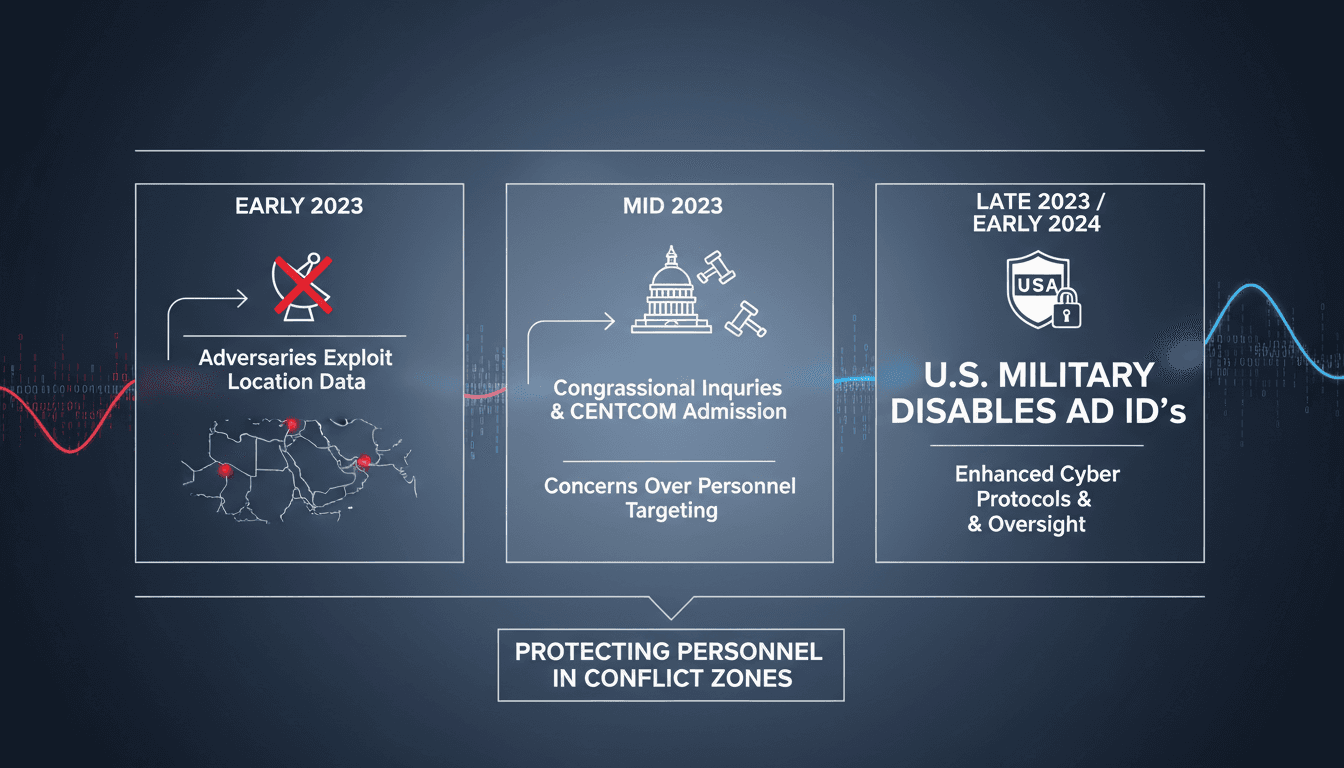
Here's what it means for you.
If you work in cybersecurity or data privacy, this shift could reshape operational protocols and data handling practices.
Why it matters
The U.S. military's actions highlight growing concerns over data privacy and security in conflict zones, impacting how organizations manage sensitive information.
What happened (in 30 seconds)
- U.S. military branches disabled advertising identifiers on devices to prevent adversaries from exploiting location data against personnel in the Middle East.
- Congressional pressure led by Senator Ron Wyden and Representative Pat Harrigan prompted investigations into data sales from DoD facilities.
- Operational security measures were implemented across the Army, Air Force, and Special Operations Command between February and September 2026.
The context you actually need
- Warnings about location data exploitation have been issued for nearly a decade, with evidence showing that adversaries could track military personnel using commercially available data.
- The escalation of U.S.-Iran tensions has made operational security increasingly critical, as adversaries have been known to exploit data ecosystems to identify troop movements.
- Congressional inquiries have raised concerns about the adequacy of existing military protocols to protect sensitive information from commercial data brokers.
What's really happening
In April 2026, U.S. Central Command (CENTCOM) confirmed to Congress that multiple threat reports indicated foreign adversaries were using commercial location data to target U.S. military personnel in operational theaters. This admission was a wake-up call, leading to a series of proactive measures across various military branches. By February 2026, the Army had already disabled mobile advertising identifiers by default, a move aimed at mitigating risks associated with location tracking. The Air Force followed suit around July 2026, and U.S. Special Operations Command implemented similar measures on Windows devices shortly before September 2026.
The decision to disable advertising identifiers stems from a broader recognition of the vulnerabilities posed by commercial data brokers. For years, U.S. officials had been warned about the potential for adversaries to exploit this data, with a notable 2016 demonstration showing how easily location data could be purchased and used to track military personnel. As tensions with Iran-linked actors escalated, the need for robust operational security became paramount. The military's actions reflect a shift towards prioritizing data security in an era where personal devices can inadvertently expose sensitive information.
Senator Wyden and Representative Harrigan's involvement underscores the urgency of the situation. Their bipartisan congressional letter called for a formal investigation into the ongoing sales of location data from Department of Defense (DoD) facilities and personal devices. They emphasized that adversaries should not have access to troop location data, particularly through commercial transactions like credit card purchases. This highlights a critical gap in existing policies and the need for comprehensive safeguards to protect military personnel.
The disabling of advertising identifiers is just one step in a larger effort to address operational security risks. The military is now tasked with examining purchased datasets, identifying policy gaps, and recommending technical controls for personal devices in sensitive areas. As these measures unfold, the implications for data privacy and security in both military and civilian contexts will be significant.
Who feels it first (and how)
- Military personnel: Directly affected by operational security measures and potential changes in device usage protocols.
- Cybersecurity professionals: Will need to adapt to new standards and practices in data handling and privacy.
- Data brokers and advertisers: May face increased scrutiny and regulation regarding the sale of location data.
- Congressional oversight committees: Engaged in monitoring and investigating data privacy practices within the military.
What to watch next
- Congressional investigations: Ongoing inquiries into data sales from DoD facilities will reveal potential policy changes and regulatory measures.
- Military protocol updates: Watch for new guidelines on data handling and device usage in sensitive operational environments.
- Commercial data practices: Increased scrutiny on data brokers may lead to broader implications for privacy regulations across industries.
U.S. military branches have disabled advertising identifiers on devices to enhance operational security.
Congressional investigations will lead to new policies regarding data privacy and security in military contexts.
The long-term impact on commercial data practices and the advertising industry remains to be seen.
Frequently Asked Questions
- Why it matters?
- The U.S. military's actions highlight growing concerns over data privacy and security in conflict zones, impacting how organizations manage sensitive information.
- What happened (in 30 seconds)?
- U.S. military branches disabled advertising identifiers on devices to prevent adversaries from exploiting location data against personnel in the Middle East. Congressional pressure led by Senator Ron Wyden and Representative Pat Harrigan prompted investigations into data sales from DoD facilities. Operational security measures were implemented across the Army, Air Force, and Special Operations Command between February and September 2026.
- What's really happening?
- In April 2026, U.S. Central Command (CENTCOM) confirmed to Congress that multiple threat reports indicated foreign adversaries were using commercial location data to target U.S. military personnel in operational theaters. This admission was a wake-up call, leading to a series of proactive measures across various military branches. By February 2026, the Army had already disabled mobile advertising identifiers by default, a move aimed at mitigating risks associated with location tracking. The Air
- Who feels it first (and how)?
- Military personnel: Directly affected by operational security measures and potential changes in device usage protocols. Cybersecurity professionals: Will need to adapt to new standards and practices in data handling and privacy. Data brokers and advertisers: May face increased scrutiny and regulation regarding the sale of location data. Congressional oversight committees: Engaged in monitoring and investigating data privacy practices within the military.
- What to watch next?
- Congressional investigations: Ongoing inquiries into data sales from DoD facilities will reveal potential policy changes and regulatory measures. Military protocol updates: Watch for new guidelines on data handling and device usage in sensitive operational environments. Commercial data practices: Increased scrutiny on data brokers may lead to broader implications for privacy regulations across industries.
Global business headlines with AI angles.
"General business outlet that frequently covers AI."
— A47 Editor
Ad Tracking Devices Are Reportedly Being Used To Target U.S. Forces In The Middle East. Troops Are Taking Measures.
Reports indicate that ad tracking devices are being utilized to target U.S. military forces in the Middle East, prompting the Air Force and U.S. Special Operations Command to implement countermeasures. The Air Force informed Senator Ron Wyden that th...
Startup news with frequent AI coverage.
"Covers launches, funding, and product updates in AI."
— A47 Editor
US military disabled ad tracking on troops’ devices following reports of targeted attacks
The U.S. military has disabled ad tracking on troops' devices following reports that foreign adversaries, particularly Iran, exploited location data to target military personnel. A senator's letter confirmed this action, highlighting the urgency of p...
Tech culture, product news, and critical takes on the tech industry's social impact.
"The Guardian's tech coverage blends mainstream news, critical analysis, and cultural commentary on emerging technologies and digital trends."
— A47 Editor
US military disables ad trackers on troops’ phones amid security fears
US military officials have disabled advertising trackers on various phones and computers used by troops, following concerns raised by Senator Ron Wyden regarding the use of location data to track American forces in the Middle East. This decision was ...