
Yemeni Government Forces Advance Against Houthis in Multi-Front Offensive
Here's what it means for you.
The ongoing military actions in Yemen could indirectly affect global shipping routes and regional stability.
Why it matters
The Yemeni conflict's escalation impacts international trade, particularly in the Red Sea, a crucial maritime corridor.
What happened (in 30 seconds)
- Yemeni government forces launched a multi-front offensive against Houthi positions on September 7, 2026.
- Houthis suffered significant territorial losses and over 91 fatalities within a week amid internal turmoil.
- Iran-U.S. tensions have intensified, coinciding with the military escalation in Yemen.
The context you actually need
- Proxy war dynamics: The conflict in Yemen is largely a proxy war, with Houthis backed by Iran and the Yemeni government supported by a coalition including Saudi Arabia.
- Recent Houthi aggression: In recent months, Houthis have increased attacks on government positions and shipping routes, prompting counteroffensives.
- Regional implications: The military actions are occurring against a backdrop of heightened tensions between Iran and the U.S., which could influence broader geopolitical stability.
What's really happening
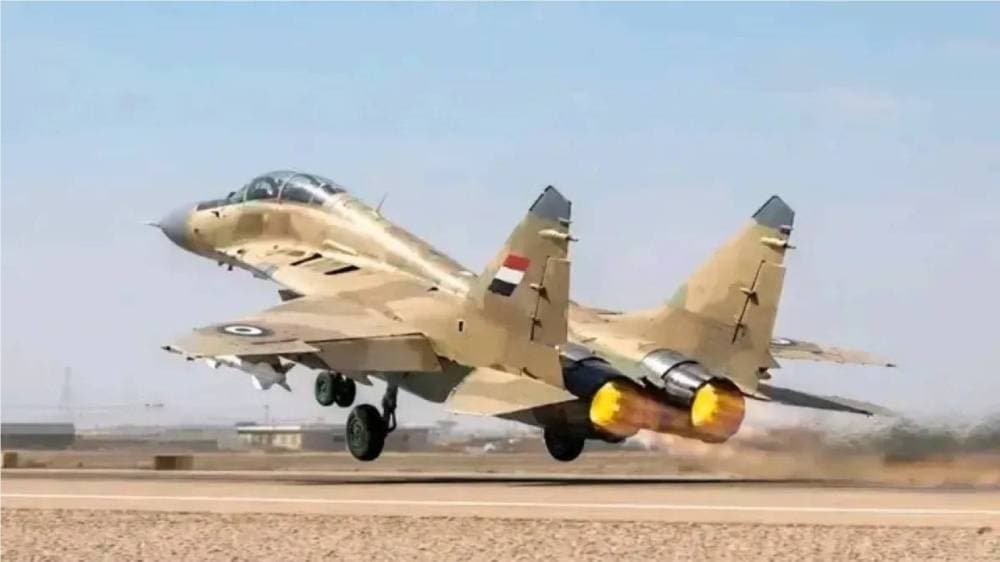
On September 7, 2026, Yemeni government forces initiated a significant military offensive aimed at reclaiming territory from the Houthi militia, which has controlled much of northern Yemen since 2014. This offensive opened a new front in Al-Jawf governorate, northeast of the capital, Sanaa, while consolidating gains in other key areas such as Hais in Al-Hudaydah, Taiz, Al-Dhalea, Al-Bayda, and southern Marib. The government forces, comprising the 1st and 3rd Emergency Divisions and troops from the 6th Military Region, executed coordinated ground maneuvers and intensified airstrikes against Houthi positions.
The offensive was a direct response to Houthi attempts to seize control of Hais and other coastal areas, which are vital for both military strategy and economic resources. The Yemeni Armed Forces reported significant territorial gains, including the recapture of Al-Labanat camp and surrounding areas east of Al-Hazm, and control over strategic points in Taiz. The Houthis, facing rapid territorial losses, reported over 91 fatalities in less than a week, leading to internal panic and restrictions on information flow from their leadership.
This escalation is not occurring in isolation; it coincides with renewed tensions between Iran and the U.S. since July 2026. The Iranian support for the Houthis has been a critical factor in the conflict, and the current military actions may be seen as a broader regional struggle for influence. The Yemeni government's advances could potentially alter the balance of power in the region, impacting not only local dynamics but also international shipping routes through the Red Sea.
As the conflict continues, the Yemeni Armed Forces have issued warnings to civilians regarding road safety amid ongoing operations. The situation remains fluid, with government forces receiving support from local tribes in Al-Jawf. The Houthis, on the other hand, are reportedly facing desertions and maintaining strict information controls to manage the narrative of their military setbacks.
Who feels it first (and how)
- Shipping companies: Increased military activity could disrupt shipping routes in the Red Sea, affecting logistics and costs.
- Regional businesses: Companies reliant on stable trade routes may face uncertainties, impacting supply chains.
- Local populations: Civilians in Yemen are directly affected by the conflict, facing displacement and humanitarian crises.
What to watch next
- Casualty reports: Continued high casualty numbers among Houthis could indicate a shift in morale and operational capacity.
- Iran-U.S. relations: Any developments in diplomatic tensions could influence the conflict's trajectory and regional stability.
- International responses: Watch for reactions from global powers regarding the conflict, particularly concerning shipping security in the Red Sea.
The Yemeni government forces have made territorial gains against the Houthis.
Continued military operations will lead to further shifts in control and potential escalations in violence.
The long-term implications for regional stability and international shipping routes remain uncertain.
Frequently Asked Questions
- Why it matters?
- The Yemeni conflict's escalation impacts international trade, particularly in the Red Sea, a crucial maritime corridor.
- What happened (in 30 seconds)?
- Yemeni government forces launched a multi-front offensive against Houthi positions on September 7, 2026. Houthis suffered significant territorial losses and over 91 fatalities within a week amid internal turmoil. Iran-U.S. tensions have intensified, coinciding with the military escalation in Yemen.
- What's really happening?
- On September 7, 2026, Yemeni government forces initiated a significant military offensive aimed at reclaiming territory from the Houthi militia, which has controlled much of northern Yemen since 2014. This offensive opened a new front in Al-Jawf governorate, northeast of the capital, Sanaa, while consolidating gains in other key areas such as Hais in Al-Hudaydah, Taiz, Al-Dhalea, Al-Bayda, and southern Marib. The government forces, comprising the 1st and 3rd Emergency Divisions and troops from t
- Who feels it first (and how)?
- Shipping companies: Increased military activity could disrupt shipping routes in the Red Sea, affecting logistics and costs. Regional businesses: Companies reliant on stable trade routes may face uncertainties, impacting supply chains. Local populations: Civilians in Yemen are directly affected by the conflict, facing displacement and humanitarian crises.
- What to watch next?
- Casualty reports: Continued high casualty numbers among Houthis could indicate a shift in morale and operational capacity. Iran-U.S. relations: Any developments in diplomatic tensions could influence the conflict's trajectory and regional stability. International responses: Watch for reactions from global powers regarding the conflict, particularly concerning shipping security in the Red Sea.
Arabic-language coverage of Saudi, regional, and international affairs.
"Al Bilad offers mainstream Saudi newspaper coverage across domestic and broader Arab topics."
— A47 Editor
قطع طريق الميليشيا في تعز والجوف.. الجيش اليمني يتقدم.. وهزائم متلاحقة للحوثيين
The Yemeni armed forces have expanded their military operations against Houthi militias, achieving significant ground advances in the provinces of Al-Jawf, Taiz, Al-Bayda, and Lahij, alongside intensified airstrikes and ongoing ground confrontations....
Coverage of political affairs and regional developments from a Saudi perspective.
"Al Watan political coverage typically follows a mainstream Saudi framing of regional and national issues."
— A47 Editor
تقدم ميداني واسع يهز معاقل الحوثي
The Yemeni military has intensified its operations against the Iran-backed Houthi militia, launching a new combat front in Al-Jawf province, northeast of Sana'a, while continuing counterattacks in the western coast and Taiz, alongside intensive airst...
Coverage of political affairs and regional developments from a Saudi perspective.
"Al Watan political coverage typically follows a mainstream Saudi framing of regional and national issues."
— A47 Editor
النزيلي لعناصر الحوثي: غادروا مواقعكم حفاظاً على أرواحكم
The armed forces issued a final call to Houthi militia fighters to abandon their positions amid significant advances by the army, urging them to leave with their light weapons to preserve their lives. Colonel Majid Al-Nazili confirmed that military o...
Arabic-language coverage of political affairs and current events.
"Okaz political coverage typically follows mainstream Saudi framing on national and regional affairs."
— A47 Editor
الطيران اليمني يدمر 21 دورية وعربة حوثية والجيش يتقدم في البيضاء والجوف وتعز
The Yemeni air force has successfully destroyed 21 vehicles and military convoys belonging to the Houthi militia, while the army has made significant territorial gains in the Al-Bayda and Al-Jawf regions. Colonel Majid Al-Nazili announced that these ...