
Yemeni Government Forces Launch Major Counteroffensive Against Houthi Positions
Here's what it means for you.
The ongoing military developments in Yemen could impact global oil prices and shipping routes, affecting your business operations.
Why it matters
The conflict's escalation has implications for regional stability and international trade, particularly in energy markets.
What happened (in 30 seconds)
- On September 8, 2026, Yemeni government forces launched a counteroffensive against Houthi positions, achieving significant territorial gains.
- Houthi forces had initiated an assault earlier in September, aiming to disrupt supply lines and approach key maritime routes.
- Over 500 fatalities have been reported since the conflict intensified, highlighting the human cost of the ongoing military operations.
The context you actually need
- Fragile ceasefire: Following a ceasefire in 2022, tensions escalated in 2026 due to regional conflicts and shipping disruptions.
- Houthi strategy: The Houthis aimed to seize control of strategic locations in western Taiz and southern Hodeidah, threatening maritime routes.
- Government response: Yemeni forces, supported by local resistance groups, shifted from defense to a coordinated counteroffensive, leveraging drone technology.
What's really happening
The recent military actions in Yemen represent a significant shift in the conflict dynamics, driven by both strategic military objectives and regional geopolitical tensions. The Yemeni government forces, bolstered by the Giants Brigades and popular resistance, have transitioned from a defensive posture to a proactive counteroffensive. This shift was catalyzed by a Houthi-initiated assault that sought to capture key territories in western Taiz and southern Hodeidah, which are critical for controlling access to the Bab al-Mandab Strait, a vital maritime chokepoint.
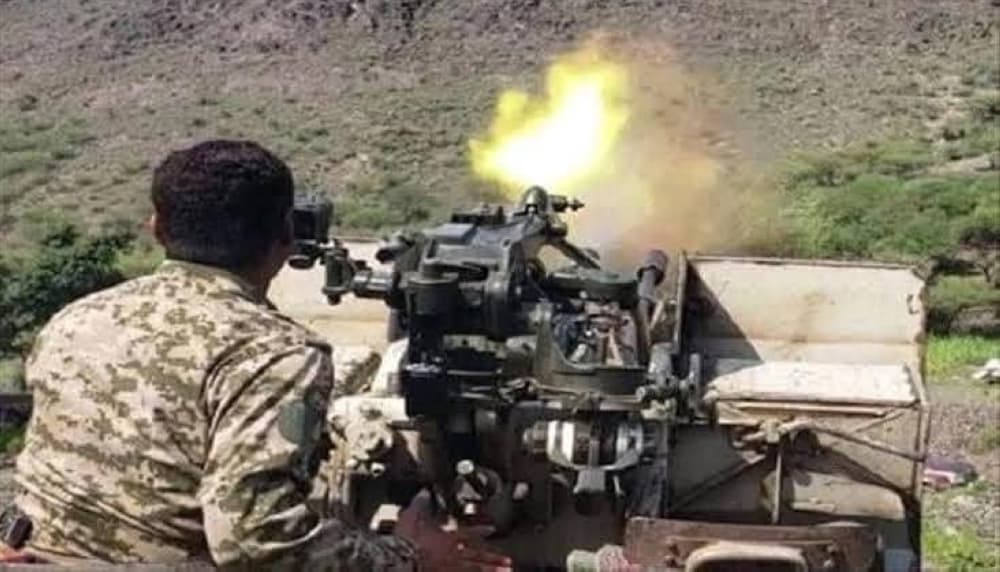
The government's counteroffensive, which began on September 8, 2026, has been characterized by multi-front operations across Al-Jawf, Taiz, Al-Bayda, and coastal sectors. The use of intensified drone strikes has been pivotal, targeting Houthi logistics, rocket platforms, and troop concentrations. This strategy not only disrupted Houthi supply lines but also prevented their ability to redeploy forces effectively. The simultaneous pressure across multiple fronts has stretched Houthi reserves, leading to reported retreats and territorial losses.
The conflict's escalation has broader implications, particularly concerning oil prices and shipping security. As fighting intensifies, concerns over the safety of maritime routes in the Red Sea have led to temporary volatility in oil prices, reaching approximately $100 per barrel. This volatility can ripple through global markets, affecting everything from transportation costs to consumer prices.
Moreover, the Yemeni Presidential Leadership Council has indicated intentions to push further toward Sanaa, which could lead to an escalation of hostilities and potentially draw in regional powers. Saudi Arabia's involvement, including airstrikes in support of Yemeni forces, underscores the conflict's complexity and the potential for broader regional implications.
As the situation evolves, the humanitarian impact remains severe, with over 500 fatalities reported since the conflict's resurgence. The ongoing military operations not only threaten civilian lives but also exacerbate the already dire humanitarian crisis in Yemen, where millions are in need of assistance.
Who feels it first (and how)
- Local civilians: Increased violence leads to casualties and displacement, worsening the humanitarian crisis.
- Energy sector: Fluctuations in oil prices directly affect energy companies and consumers globally.
- Shipping companies: Heightened risks in the Red Sea may lead to increased insurance costs and rerouting of vessels.
- Regional governments: Neighboring countries may face pressure to respond to escalations, impacting diplomatic relations.
What to watch next
- Houthi military responses: Monitor for potential retaliatory strikes against civilian or military targets, which could escalate tensions further.
- Oil price fluctuations: Keep an eye on oil market reactions to developments in Yemen, as sustained conflict could lead to prolonged price volatility.
- International diplomatic efforts: Watch for any renewed peace talks or interventions from regional powers, which could influence the conflict's trajectory.
The Yemeni government has made territorial gains against Houthi forces.
Continued military operations will lead to further casualties and humanitarian crises.
The potential for broader regional involvement remains uncertain, depending on the responses from neighboring countries.
Frequently Asked Questions
- Why it matters?
- The conflict's escalation has implications for regional stability and international trade, particularly in energy markets.
- What happened (in 30 seconds)?
- On September 8, 2026, Yemeni government forces launched a counteroffensive against Houthi positions, achieving significant territorial gains. Houthi forces had initiated an assault earlier in September, aiming to disrupt supply lines and approach key maritime routes. Over 500 fatalities have been reported since the conflict intensified, highlighting the human cost of the ongoing military operations.
- What's really happening?
- The recent military actions in Yemen represent a significant shift in the conflict dynamics, driven by both strategic military objectives and regional geopolitical tensions. The Yemeni government forces, bolstered by the Giants Brigades and popular resistance, have transitioned from a defensive posture to a proactive counteroffensive. This shift was catalyzed by a Houthi-initiated assault that sought to capture key territories in western Taiz and southern Hodeidah, which are critical for control
- Who feels it first (and how)?
- Local civilians: Increased violence leads to casualties and displacement, worsening the humanitarian crisis. Energy sector: Fluctuations in oil prices directly affect energy companies and consumers globally. Shipping companies: Heightened risks in the Red Sea may lead to increased insurance costs and rerouting of vessels. Regional governments: Neighboring countries may face pressure to respond to escalations, impacting diplomatic relations.
- What to watch next?
- Houthi military responses: Monitor for potential retaliatory strikes against civilian or military targets, which could escalate tensions further. Oil price fluctuations: Keep an eye on oil market reactions to developments in Yemen, as sustained conflict could lead to prolonged price volatility. International diplomatic efforts: Watch for any renewed peace talks or interventions from regional powers, which could influence the conflict's trajectory.
Arabic-language coverage of political affairs and current events.
"Okaz political coverage typically follows mainstream Saudi framing on national and regional affairs."
— A47 Editor
متحدث مطارح الكرامة لـ «عكاظ»: حققنا تقدم نوعي بالجوف.. ووجهتنا صنعاء
The spokesperson for the Al-Karama camps, Amer Salah, announced significant progress in the Al-Jawf region, highlighting the ongoing military and tactical control of army and tribal leaders over key access points in the area. He emphasized that the c...
Arabic-language coverage of Saudi, regional, and international affairs.
"Al Bilad offers mainstream Saudi newspaper coverage across domestic and broader Arab topics."
— A47 Editor
الجيش اليمني يتقدم في الجوف والبيضاء وتعز.. ضربات تقصم ظهر الحوثي بعدة جبهات
Intense clashes have erupted between the Yemeni Armed Forces and the Houthi militia across multiple fronts, with government forces making significant territorial gains in the provinces of Al-Jawf, Al-Bayda, and Taiz, supported by airstrikes and incre...
Coverage of political affairs and regional developments from a Saudi perspective.
"Al Watan political coverage typically follows a mainstream Saudi framing of regional and national issues."
— A47 Editor
جبهات الحوثي تتهاوى تحت ضربات هجوم حكومي كاسح
In recent hours, the Houthi militia has faced significant setbacks due to intense confrontations with the Yemeni armed forces, supported by popular resistance and the Giants Brigades. The government forces transitioned from a defensive stance to a po...