
New Research Reveals Branding of Enslaved Africans by South Sea Company in 1714
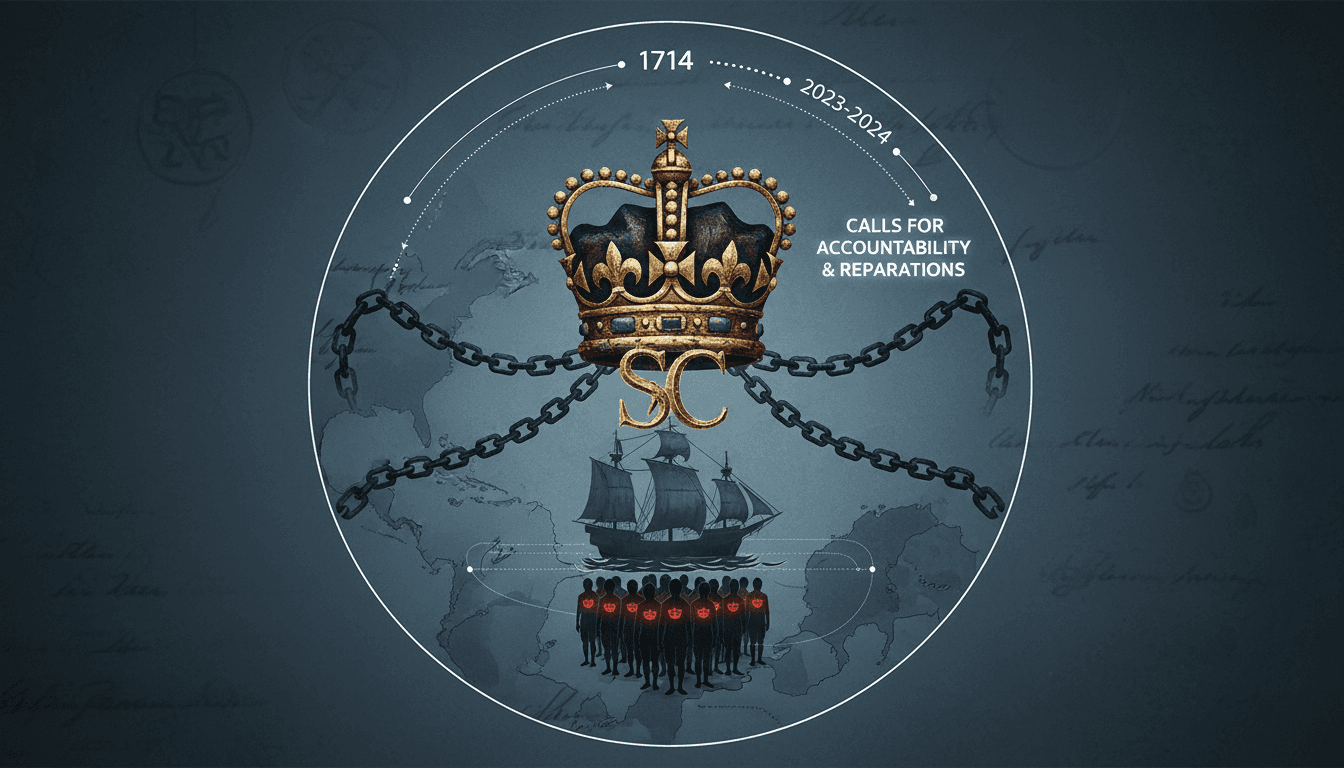
The Vibe
A renewed focus on historical injustices is reshaping conversations about accountability and reparations in the corporate world.
What it signals
This shift indicates a growing demand for transparency and ethical practices in business. As historical narratives are reexamined, companies and institutions are increasingly held accountable for their past actions, influencing their reputations and operational strategies.
Why it's happening now
1. The release of new research detailing the branding of enslaved Africans by the South Sea Company has reignited public discourse on the legacy of colonialism and slavery. 2. Increased activism and advocacy for reparations are pressuring institutions to confront their historical ties to slavery, as seen in Jamaica's petition to the British monarchy. 3. A global movement towards corporate social responsibility is prompting businesses to reassess their historical narratives and align them with contemporary values of equity and justice.
Who it's for (and who it leaves out)
The core beneficiaries are socially conscious investors and organizations prioritizing ethical practices. Conversely, entities resistant to acknowledging their historical roles may find themselves marginalized in future discussions.
What to watch next
1. The response from corporations regarding their historical ties to slavery and how they plan to address these legacies. 2. The evolution of public policy and reparations discussions, particularly in the UK and former colonies, as they may influence corporate governance.
The South Sea Company's branding practices have been documented and are now part of public discourse.
Companies will increasingly face pressure to disclose their historical ties to slavery and take action towards reparative justice.
The long-term impact of these discussions on corporate policies and consumer behavior remains to be seen.
United Kingdom-focused news including local politics, business, and social issues.
"BBC News is widely regarded as a reputable international news organization, known for its impartial tone and public service mandate."
— A47 Editor
British Crown symbol was branded on enslaved Africans, research finds
Research has revealed that the British Crown symbol was branded on enslaved Africans, highlighting the brutal practices associated with the British involvement in the slave trade from the 16th to the 19th centuries. This finding is part of a broader ...
Top international stories selected by The Guardian editors.
"The Guardian is known for its progressive editorial stance and in-depth analysis."
— A47 Editor
How Britain's kings and queens powered the slave trade – video
Recent research has revealed the extensive involvement of Britain's monarchy in the slave trade, particularly after the restoration of the monarchy in 1660, with enslaved Africans branded with the royal crown. This research is part of a broader effor...
Top international stories selected by The Guardian editors.
"The Guardian is known for its progressive editorial stance and in-depth analysis."
— A47 Editor
The royal crown branded on enslaved Africans: Britain’s monarchy and the slave trade
Recent research reveals that Britain's monarchy, from Elizabeth I to contemporary monarchs, played a significant role in the slave trade, with enslaved Africans branded with the royal crown. This historical involvement underscores the monarchy's long...