
U.S. Military Intercepts Iranian Drones in Strait of Hormuz
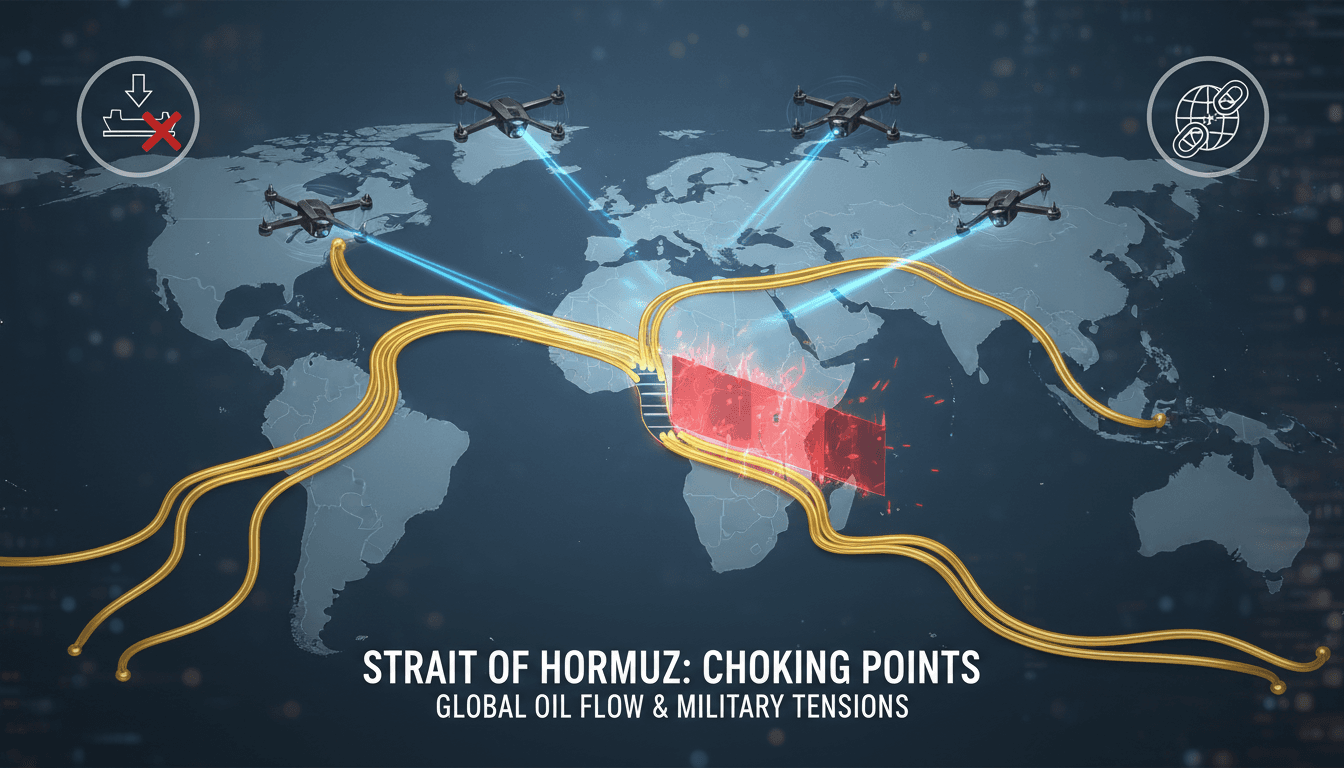
Here's what it means for you.
Increased military tensions in the Strait of Hormuz could lead to fluctuations in oil prices and impact global supply chains.
Why it matters
The Strait of Hormuz is a critical chokepoint for global oil shipments, with 20% of the world's oil passing through it.
What happened (in 30 seconds)
- On June 5, 2026, U.S. Central Command intercepted four Iranian one-way attack drones aimed at the Strait of Hormuz.
- Iran retaliated by launching ballistic missiles towards U.S. allies in the Gulf, which were largely intercepted.
- Tensions remain high, with ongoing military engagements and calls for diplomatic solutions from the international community.
The context you actually need
- The Strait of Hormuz is vital for global energy security, making any military conflict here a concern for economies worldwide.
- U.S.-Iran relations have deteriorated since the U.S. withdrew from the Iran nuclear deal in 2018, leading to increased military posturing.
- Regional allies, including Gulf states, are on high alert, activating defense systems in anticipation of further Iranian aggression.
What's really happening
The interception of Iranian drones by U.S. forces on June 5, 2026, underscores the escalating military tensions in the Strait of Hormuz, a crucial maritime corridor for global oil shipments. The U.S. military's actions were a direct response to perceived threats against international shipping, which is vital for the global economy. The Strait of Hormuz sees approximately 20% of the world's oil supply transit through its waters, making any disruption a significant concern for energy markets.
The backdrop to this incident is a series of escalating confrontations between the U.S. and Iran, particularly following the U.S. withdrawal from the Iran nuclear deal in 2018. This withdrawal led to the reimposition of sanctions on Iran, which has retaliated by asserting its military presence in the region. The use of one-way attack drones by Iran represents a shift in tactics, allowing for low-cost, high-impact strikes that can threaten maritime traffic without risking manned aircraft.
Following the drone interceptions, Iran's launch of ballistic missiles towards U.S. allies in the Gulf further illustrates the precarious nature of the ceasefire between the two nations. The U.S. military's commitment to protecting maritime traffic is now more critical than ever, as Gulf allies like Kuwait and Bahrain have activated their defense systems in anticipation of further Iranian aggression. This military posturing not only heightens the risk of direct conflict but also creates uncertainty in global oil markets, as any escalation could lead to supply disruptions.
The international community is closely monitoring the situation, urging both sides to seek diplomatic solutions to avoid further military confrontations. However, the entrenched positions of both the U.S. and Iran make a peaceful resolution challenging. The ongoing military engagements and the potential for miscalculation could lead to a broader conflict, impacting not just regional stability but also global economic conditions.
Who feels it first (and how)
- Oil traders: Fluctuations in oil prices due to perceived risks in the Strait of Hormuz.
- Shipping companies: Increased insurance costs and rerouting of vessels to avoid conflict zones.
- Regional governments: Heightened military readiness and potential economic impacts from disrupted trade.
- Global consumers: Possible increases in fuel prices affecting transportation and goods.
What to watch next
- Iran's military actions: Continued drone and missile tests could indicate further escalation or a shift in strategy.
- U.S. military deployments: Changes in U.S. troop levels or naval presence in the region will signal the seriousness of the threat.
- Diplomatic efforts: Any new negotiations or talks between the U.S. and Iran could provide insight into potential de-escalation.
The Strait of Hormuz is critical for global oil supply, with 20% of the world's oil passing through.
Increased military engagements between the U.S. and Iran will continue, affecting regional stability.
The potential for a diplomatic resolution to the ongoing tensions remains uncertain.
Frequently Asked Questions
- Why it matters?
- The Strait of Hormuz is a critical chokepoint for global oil shipments, with 20% of the world's oil passing through it.
- What happened (in 30 seconds)?
- On June 5, 2026, U.S. Central Command intercepted four Iranian one-way attack drones aimed at the Strait of Hormuz. Iran retaliated by launching ballistic missiles towards U.S. allies in the Gulf, which were largely intercepted. Tensions remain high, with ongoing military engagements and calls for diplomatic solutions from the international community.
- What's really happening?
- The interception of Iranian drones by U.S. forces on June 5, 2026, underscores the escalating military tensions in the Strait of Hormuz, a crucial maritime corridor for global oil shipments. The U.S. military's actions were a direct response to perceived threats against international shipping, which is vital for the global economy. The Strait of Hormuz sees approximately 20% of the world's oil supply transit through its waters, making any disruption a significant concern for energy markets. The
- Who feels it first (and how)?
- Oil traders: Fluctuations in oil prices due to perceived risks in the Strait of Hormuz. Shipping companies: Increased insurance costs and rerouting of vessels to avoid conflict zones. Regional governments: Heightened military readiness and potential economic impacts from disrupted trade. Global consumers: Possible increases in fuel prices affecting transportation and goods.
- What to watch next?
- Iran's military actions: Continued drone and missile tests could indicate further escalation or a shift in strategy. U.S. military deployments: Changes in U.S. troop levels or naval presence in the region will signal the seriousness of the threat. Diplomatic efforts: Any new negotiations or talks between the U.S. and Iran could provide insight into potential de-escalation.
Arabic-language political and world news coverage for UAE readers.
"Emarat Al Youm world coverage usually presents international developments through a UAE and Arab audience lens."
— A47 Editor
الجيش الأميركي يعلن إسقاط مسيرتين إيرانيتين في مضيق هرمز الجيش الأميركي يعلن إسقاط مسيرتين إيرانيتين في مضيق هرمز
The U.S. military announced on Sunday the downing of two Iranian drones that were reportedly threatening navigation in the strategic Strait of Hormuz. This incident highlights ongoing tensions in the region, particularly concerning maritime security ...
Arabic-language coverage of international news and geopolitics.
"RT Arabic is a Russian state-funded outlet often criticized for promoting Kremlin-aligned narratives."
— A47 Editor
الجيش الأمريكي يعلن إسقاط مسيرتين إيرانيتين في مضيق هرمز
The U.S. military announced on Saturday the downing of two Iranian drones in the Strait of Hormuz, which were deemed a threat to international maritime navigation in the area. This action underscores ongoing tensions in a strategically vital region f...
Pan-Arab news coverage spanning politics, business, sports, and regional affairs.
"Asharq Al-Awsat reflects a broad Arab editorial perspective with strong attention to regional geopolitics."
— A47 Editor
واشنطن تعلن إسقاط مسيّرتين إيرانيتين كانتا تهددان الملاحة في مضيق هرمز
The U.S. military announced the downing of two Iranian drones that were reportedly threatening navigation in the strategic Strait of Hormuz. This incident highlights ongoing tensions in the region, particularly concerning maritime security and the pr...
Jordanian news and regional updates.
"Roya News is a Jordanian outlet focused on breaking news and local affairs."
— A47 Editor
القيادة المركزية الأميركية تعلن إسقاط مسيرتين انقضاضيتين إيرانيتين في مضيق هرمز
The U.S. Central Command announced the interception of two Iranian drones in the Strait of Hormuz, indicating ongoing tensions in the region. The drones were reportedly posing a threat to maritime security, highlighting the strategic importance of th...
Jordanian news and regional updates.
"Roya News is a Jordanian outlet focused on breaking news and local affairs."
— A47 Editor
الحرس الثوري الإيراني: استهدفنا ناقلة نفط بمضيق هرمز ونحذر من إغلاق الممر المائي بالكامل
The Iranian Revolutionary Guard Corps announced that it targeted an oil tanker in the Strait of Hormuz and issued a warning about the potential complete closure of this vital waterway. This incident highlights ongoing tensions in the region, particul...
Pan-Arab political news and analysis.
"Al-Quds Al-Arabi is a London-based Arabic newspaper known for political coverage."
— A47 Editor
الجيش الأمريكي يقول إنه أسقط مسيّرات إيرانية أُطلقت نحو مضيق هرمز
The U.S. military reported that it shot down four Iranian drones launched towards the Strait of Hormuz on Friday, subsequently targeting coastal radar sites used by Iran for surveillance. The Central Command of the U.S. stated that these offensive dr...
Pan-Arab news coverage spanning politics, business, sports, and regional affairs.
"Asharq Al-Awsat reflects a broad Arab editorial perspective with strong attention to regional geopolitics."
— A47 Editor
«البنتاغون» ينفي استهداف مدمرتين أميركيتين بصواريخ إيرانية
The U.S. military denied Iran's claims on Friday regarding the launch of 'warning missiles' targeting two American destroyers in the Gulf of Oman. This statement comes amid ongoing tensions in the region, highlighting the complex military dynamics be...