
Canada and EU propose middle powers alliance to counter U.S. trade pressures
Why it matters
This alliance aims to enhance economic resilience against U.S. trade pressures, impacting global trade relationships.
What happened (in 30 seconds)
- On September 17, 2026, Canadian Prime Minister Mark Carney proposed a 'middle powers' alliance with the EU to bolster collective resilience.
- The initiative responds to U.S. trade tariffs and threats, aiming to diversify partnerships and reduce economic vulnerability.
- A Canada-EU summit is scheduled for October 29-30, 2026, to advance cooperation on defense, trade, and technology.
The context you actually need
- Canada currently directs 70% of its exports to the U.S., highlighting its heavy reliance on a single market.
- The EU has faced escalating trade conflicts with the U.S., particularly under President Trump's administration, prompting a need for strategic alliances.
- Previous collaborations between Canada and the EU include a defense partnership and ongoing digital trade negotiations, laying groundwork for this new alliance.
What's really happening
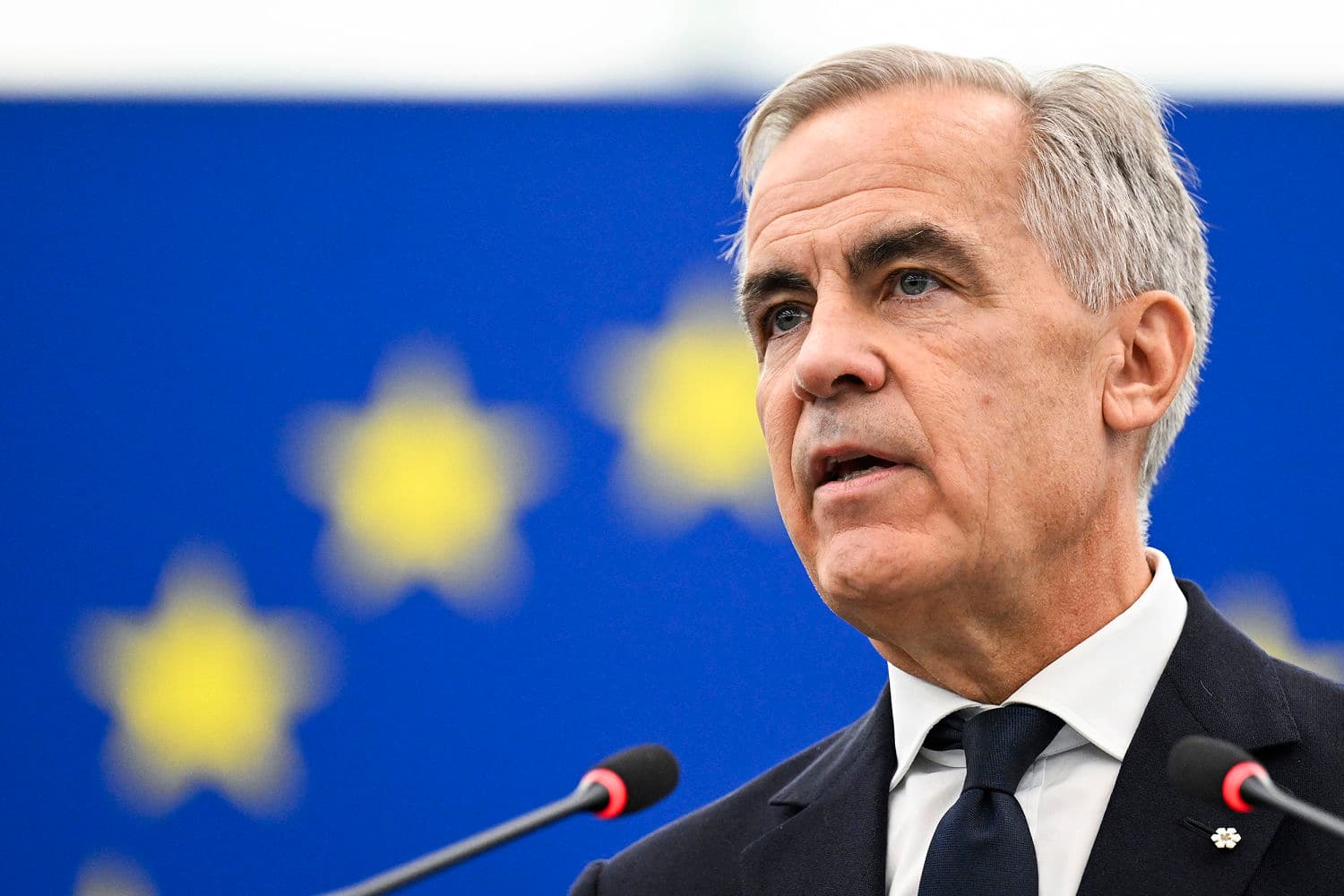
The proposed middle powers alliance between Canada and the European Union is a strategic response to increasing pressures from the United States, particularly under the leadership of President Donald Trump. Following his return to the presidency, Canada and the EU have faced heightened trade conflicts, including tariffs on Canadian goods and threats to Canadian sovereignty. This context has prompted Canadian Prime Minister Mark Carney to advocate for a more resilient economic framework that does not rely solely on the U.S. market.
The alliance aims to create a diversified network of partnerships that can withstand external economic coercion. By proposing Canada as the EU's first 'associate member,' the initiative seeks to formalize a cooperative relationship that encompasses defense, energy, critical minerals, and technology. This is significant because it represents a shift away from traditional power dynamics, where larger nations dictate terms to smaller ones. Instead, Canada and the EU are positioning themselves as middle powers that can collectively enhance their bargaining power on the global stage.
The upcoming bilateral summit in Montreal is crucial for solidifying this alliance and outlining specific areas of cooperation. The emphasis on shared democratic values and open markets reflects a desire to create a united front against potential threats from larger powers. However, the proposal has not been without controversy. Trump's dismissal of the associate membership idea as 'laughable' and his threats of heavy tariffs on Europe indicate that the U.S. may respond aggressively to this new alliance.
Moreover, EU officials have expressed caution regarding the terminology of 'associate membership,' highlighting the need for unanimous approval from member states. This indicates that while the alliance is gaining traction, its implementation may face hurdles. The positive reception in the European Parliament, including a standing ovation for Carney's speech, suggests that there is significant support for this initiative among European leaders. However, the complexities of EU politics and the potential for dissent among member states could complicate the path forward.
In summary, this alliance represents a strategic pivot for both Canada and the EU, aiming to enhance their resilience against U.S. trade pressures while fostering a collaborative approach to global challenges.
Who feels it first (and how)
- Canadian exporters: They may benefit from reduced reliance on the U.S. market and access to new trade opportunities.
- European businesses: They could gain from enhanced cooperation in defense and technology sectors.
- Global supply chain managers: They will need to adapt to shifting trade dynamics and potential tariff implications.
- Energy sector stakeholders: They may see changes in energy trade routes and partnerships as Canada and the EU collaborate on energy resources.
What to watch next
- Outcomes of the Montreal summit: The specifics of agreements reached will indicate the alliance's direction and effectiveness.
- U.S. response to the alliance: Any new tariffs or trade policies from the U.S. could significantly impact the success of this initiative.
- EU member state reactions: Watch for any dissent or support from individual EU countries regarding the associate membership proposal.
Canada and the EU are pursuing a middle powers alliance to enhance resilience against U.S. trade pressures.
The upcoming summit will yield concrete proposals for cooperation in various sectors.
The long-term effectiveness of this alliance in countering U.S. economic influence remains to be seen.
Frequently Asked Questions
- Why it matters?
- This alliance aims to enhance economic resilience against U.S. trade pressures, impacting global trade relationships.
- What happened (in 30 seconds)?
- On September 17, 2026, Canadian Prime Minister Mark Carney proposed a 'middle powers' alliance with the EU to bolster collective resilience. The initiative responds to U.S. trade tariffs and threats, aiming to diversify partnerships and reduce economic vulnerability. A Canada-EU summit is scheduled for October 29-30, 2026, to advance cooperation on defense, trade, and technology.
- What's really happening?
- The proposed middle powers alliance between Canada and the European Union is a strategic response to increasing pressures from the United States, particularly under the leadership of President Donald Trump. Following his return to the presidency, Canada and the EU have faced heightened trade conflicts, including tariffs on Canadian goods and threats to Canadian sovereignty. This context has prompted Canadian Prime Minister Mark Carney to advocate for a more resilient economic framework that does
- Who feels it first (and how)?
- Canadian exporters: They may benefit from reduced reliance on the U.S. market and access to new trade opportunities. European businesses: They could gain from enhanced cooperation in defense and technology sectors. Global supply chain managers: They will need to adapt to shifting trade dynamics and potential tariff implications. Energy sector stakeholders: They may see changes in energy trade routes and partnerships as Canada and the EU collaborate on energy resources.
- What to watch next?
- Outcomes of the Montreal summit: The specifics of agreements reached will indicate the alliance's direction and effectiveness. U.S. response to the alliance: Any new tariffs or trade policies from the U.S. could significantly impact the success of this initiative. EU member state reactions: Watch for any dissent or support from individual EU countries regarding the associate membership proposal.
Global news coverage with extensive reporting on Middle Eastern conflicts and geopolitics.
"Al Jazeera is a Qatar-based broadcaster known for wide regional coverage and alternative perspectives."
— A47 Editor
Can ‘middle powers’ come together to build a new economic alliance?
Canadian Prime Minister Mark Carney has announced plans to strengthen ties with the European Union (EU), including support for Canada to become the EU's first 'associate member.' This initiative comes amid rising trade tensions with the United States...
Comprehensive coverage of Middle Eastern and global issues.
"Al Jazeera is a prominent voice from the Global South, especially the Middle East, with an emphasis on underreported stories."
— A47 Editor
Can ‘middle powers’ come together to build a new economic alliance?
Canadian Prime Minister Mark Carney has announced plans to strengthen ties with the European Union (EU), including support for Canada to become the EU's first 'associate member.' This initiative comes amid rising trade tensions with the United States...
International coverage of politics, security, and social issues.
"Global News is a mainstream Canadian outlet with a centrist editorial stance, focusing on factual reporting."
— A47 Editor
Read a transcript of Carney’s speech to the European Parliament
Canadian Prime Minister Mark Carney addressed the European Parliament, advocating for enhanced cooperation with the EU in sectors such as artificial intelligence, critical minerals, and defense. His speech emphasized the importance of collaboration a...
Comprehensive coverage of global events, politics, and international issues.
"NBC News is a mainstream outlet known for comprehensive national and international coverage with a centrist to slightly left-leaning editorial tone."
— A47 Editor
How Canada and the E.U. are teaming up to counter Trump
Canadian Prime Minister Mark Carney addressed the European Parliament in Strasbourg, outlining strategies for middle powers to counteract the hostility of U.S. President Donald Trump. This initiative aims to strengthen ties between Canada and the Eur...
International coverage of politics, culture, and current affairs.
"BBC News is widely regarded as a reputable international news organization, known for its impartial tone and public service mandate."
— A47 Editor
Carney's new love-in with EU has everything to do with Trump
Canadian Prime Minister Mark Carney is in Strasbourg this week to forge a 'unique alliance' with the European Union, a move largely influenced by escalating tensions with the United States under President Trump. This visit underscores Canada's strate...
Global coverage of politics, crises, and international affairs.
"HuffPost provides progressive-oriented reporting on international developments, often focusing on humanitarian and social justice issues."
— A47 Editor
Carney Heads To Europe For High-Stakes Speech And Deeper EU Ties As Canada Clashes With Trump
Canadian Prime Minister Mark Carney is set to travel to Europe for a significant speech aimed at strengthening ties with the European Union, amidst escalating trade tensions with the United States following the collapse of trade negotiations. This tr...