
Houthis Assure US of Non-Attack on American Ships in Bab Al Mandeb Strait
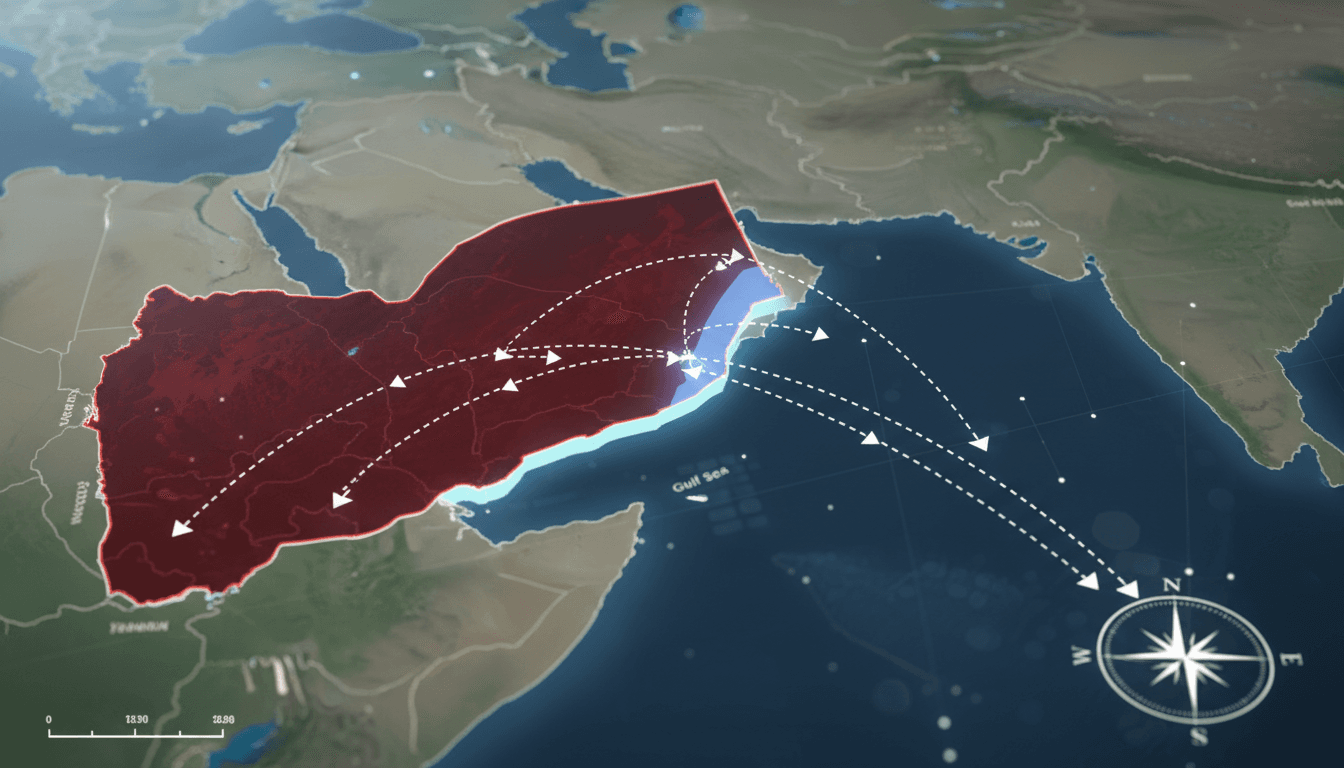
Why it matters
The Bab Al Mandeb Strait is a critical chokepoint for global trade, and any disruption can lead to increased shipping costs and delays.
What happened (in 30 seconds)
- On September 17, 2026, Houthi rebels assured the US they would not attack American ships in the Bab Al Mandeb Strait.
- This assurance followed the Houthis' recent territorial gains along Yemen's western coast, raising concerns over shipping security.
- Indirect communications were facilitated by Oman, reaffirming a 2025 ceasefire agreement amid ongoing regional tensions.
The context you actually need
- The Red Sea crisis began in late 2023 with Houthi attacks on commercial shipping, escalating to include US and UK vessels.
- A ceasefire was reached in 2025, halting US strikes in exchange for Houthi non-targeting of American ships.
- Recent Houthi advances have heightened concerns over control of the Bab Al Mandeb chokepoint, crucial for international shipping.
What's really happening
The recent assurances from the Houthis to the United States signify a complex interplay of regional power dynamics and strategic interests. Following their territorial gains along Yemen's western coast, including the capture of key ports like Mokha and Perim Island, the Houthis have solidified their position in the Red Sea. This shift has raised alarms about the security of maritime routes, particularly the Bab Al Mandeb Strait, which is vital for global shipping.
The Houthis' commitment to refrain from attacking American vessels is not merely a gesture of goodwill; it reflects a calculated decision influenced by their need to maintain a semblance of legitimacy and control in the region. By assuring the US of their non-aggression towards American ships, the Houthis aim to avoid provoking a military response that could jeopardize their recent gains. The indirect communications facilitated by Oman underscore the importance of diplomacy in this volatile environment, as both sides navigate the complexities of regional alliances and enmities.
The backdrop of this assurance is the ongoing support the Houthis receive from Iran, which has implications for broader geopolitical tensions. The US has been cautious in its military responses, focusing instead on counterterrorism objectives without directly intervening in the conflict. This restraint has allowed the Houthis to consolidate power while simultaneously engaging in diplomatic overtures to mitigate the risk of escalation.
The implications of this situation extend beyond immediate military concerns. The assurance to the US is likely to influence global shipping patterns and insurance costs, as shipping companies assess the risks associated with navigating through the Bab Al Mandeb Strait. With 178 vessels reportedly attacked by the Houthis during the Red Sea crisis, the stakes are high for international shipping and trade.
As the situation evolves, the Houthis' ability to adhere to their assurances will be closely monitored by the US and its allies. Any deviation from this commitment could trigger a renewed military response, further complicating the already intricate web of alliances and hostilities in the region.
Who feels it first (and how)
- Shipping companies: Increased insurance premiums and operational costs due to perceived risks in the region.
- Logistics firms: Potential delays and disruptions in supply chains affecting delivery timelines.
- Regional economies: Countries reliant on trade through the Red Sea may experience economic fluctuations based on shipping security.
- Consumers: Possible price increases on goods due to higher shipping costs and delays.
What to watch next
- Adherence to assurances: Monitor whether the Houthis maintain their commitment to avoid US vessels, as any breach could escalate tensions.
- Shipping insurance rates: Watch for changes in insurance premiums for vessels operating in the Red Sea, indicating perceived risk levels.
- Regional diplomatic efforts: Observe ongoing negotiations involving Oman and other mediators, which could influence the stability of the ceasefire.
The Houthis have assured the US they will not attack American ships.
Shipping routes through the Bab Al Mandeb Strait will remain open, barring any significant escalation.
The long-term sustainability of the ceasefire and its impact on regional stability.
Frequently Asked Questions
- Why it matters?
- The Bab Al Mandeb Strait is a critical chokepoint for global trade, and any disruption can lead to increased shipping costs and delays.
- What happened (in 30 seconds)?
- On September 17, 2026, Houthi rebels assured the US they would not attack American ships in the Bab Al Mandeb Strait. This assurance followed the Houthis' recent territorial gains along Yemen's western coast, raising concerns over shipping security. Indirect communications were facilitated by Oman, reaffirming a 2025 ceasefire agreement amid ongoing regional tensions.
- What's really happening?
- The recent assurances from the Houthis to the United States signify a complex interplay of regional power dynamics and strategic interests. Following their territorial gains along Yemen's western coast, including the capture of key ports like Mokha and Perim Island, the Houthis have solidified their position in the Red Sea. This shift has raised alarms about the security of maritime routes, particularly the Bab Al Mandeb Strait, which is vital for global shipping. The Houthis' commitment to ref
- Who feels it first (and how)?
- Shipping companies: Increased insurance premiums and operational costs due to perceived risks in the region. Logistics firms: Potential delays and disruptions in supply chains affecting delivery timelines. Regional economies: Countries reliant on trade through the Red Sea may experience economic fluctuations based on shipping security. Consumers: Possible price increases on goods due to higher shipping costs and delays.
- What to watch next?
- Adherence to assurances: Monitor whether the Houthis maintain their commitment to avoid US vessels, as any breach could escalate tensions. Shipping insurance rates: Watch for changes in insurance premiums for vessels operating in the Red Sea, indicating perceived risk levels. Regional diplomatic efforts: Observe ongoing negotiations involving Oman and other mediators, which could influence the stability of the ceasefire.
UAE-based English-language newspaper covering regional politics, economics, and global affairs.
"The National reflects Emirati policy perspectives while maintaining international editorial standards."
— A47 Editor
Houthis 'assured' US they would not attack American ships in Bab Al Mandeb, Yemeni sources say
Yemeni sources report that the Houthi rebels have assured the United States that they will not target American ships in the Bab Al Mandeb Strait, a crucial maritime route. This assurance comes amid escalating tensions in the region following the Hout...
Global news coverage with extensive reporting on Middle Eastern conflicts and geopolitics.
"Al Jazeera is a Qatar-based broadcaster known for wide regional coverage and alternative perspectives."
— A47 Editor
Reports: US, Houthis make secret deal over Yemen war
Reports indicate that Yemen's Houthi rebels have reached a secret agreement with the United States, allowing for unrestricted access to the Red Sea for US shipping in exchange for a halt to military actions by Washington. This development comes amid ...
Global business headlines with AI angles.
"General business outlet that frequently covers AI."
— A47 Editor
Yemen's Houthis Reportedly Met With U.S. Officials After Making Key Gains. They Promised Not To Target U.S. Ships.
Yemen's Houthi rebels have reportedly met with U.S. officials following significant territorial gains, including the capture of key islands in the Red Sea. The Houthis have pledged not to target U.S. ships, indicating a potential shift in their milit...