
U.S. Approves $24.3 Billion F-35 Sale to Saudi Arabia Amid China Concerns
Why it matters
This sale signals a significant shift in U.S. foreign military policy, potentially altering the balance of power in the Middle East.
What happened (in 30 seconds)
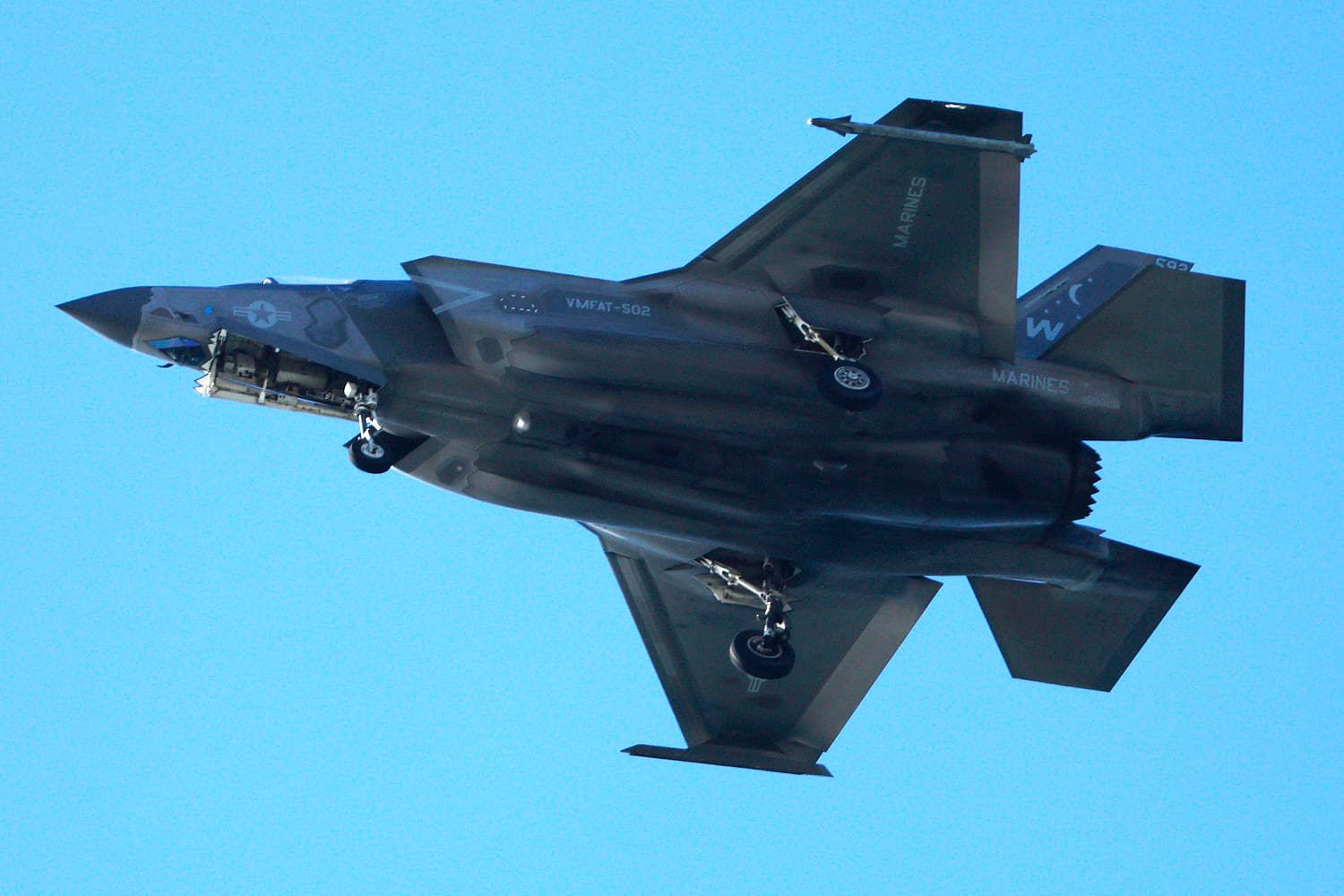
- On September 18, 2026, the U.S. State Department approved a potential $24.3 billion sale of 48 F-35 fighter jets to Saudi Arabia.
- This marks a policy shift under the Trump administration aimed at enhancing Saudi capabilities against regional threats, particularly from Iran.
- Congress now has 30 days to review the deal, which could face opposition due to concerns over Chinese technology access.
The context you actually need
- Saudi Arabia has sought F-35s since 2017, but previous attempts were stalled under the Biden administration due to geopolitical concerns.
- Israel is currently the only Middle Eastern operator of the F-35, making this sale a pivotal moment for regional military capabilities.
- Intelligence warnings have emerged regarding the risks of Chinese espionage through Saudi partnerships, raising alarms among U.S. lawmakers.
What's really happening
The approval of the $24.3 billion F-35 sale to Saudi Arabia is a culmination of years of strategic military planning and geopolitical maneuvering. The Trump administration's commitment to enhancing Saudi military capabilities is rooted in a broader strategy to counter Iranian influence in the region, particularly from the Iran-backed Houthis in Yemen. This deal not only positions Saudi Arabia as a formidable military power but also reinforces the U.S.-Saudi alliance, which has been a cornerstone of U.S. foreign policy in the Middle East for decades.
However, the sale is not without its controversies. Lawmakers have raised concerns about the implications of advanced U.S. military technology falling into the hands of a nation that is increasingly strengthening its ties with China. The potential for espionage and technology theft is a significant risk, as Saudi Arabia has been developing military and technological partnerships with Beijing. This duality creates a complex landscape where the U.S. must balance its strategic interests with the risks posed by its allies' relationships with rival powers.
The deal includes not just the fighter jets but also engines, support equipment, and training, which are crucial for ensuring that Saudi Arabia can effectively integrate these advanced systems into its military operations. The U.S. State Department has asserted that this sale will not alter the regional military balance, claiming it will enhance interoperability between U.S. and Saudi forces. However, this assertion is met with skepticism, particularly from Israeli officials who fear that the qualitative military edge they currently hold could be compromised.
As the congressional review period unfolds, the potential for delays or blocks remains high, especially given the vocal opposition from Democratic lawmakers. The outcome of this review will not only determine the fate of this specific deal but could also set a precedent for future arms sales in the region, particularly as other Gulf states, like the UAE, watch closely.
Who feels it first (and how)
- Defense contractors: Companies like Lockheed Martin stand to gain significantly from the sale, impacting stock prices and future contracts.
- U.S. lawmakers: Congressional members will face pressure from constituents concerned about national security and foreign relations.
- Middle Eastern nations: Countries like the UAE may reassess their military strategies in light of Saudi advancements, potentially leading to an arms race.
What to watch next
- Congressional reactions: Watch for any amendments or proposals that could delay or block the sale, which would indicate the level of bipartisan concern regarding technology security.
- Saudi-China relations: Monitor developments in Saudi partnerships with China, as these could influence U.S. perceptions and future military sales.
- Regional military exercises: Look for joint military exercises involving Saudi Arabia and the U.S. that may showcase the integration of the F-35 into Saudi operations.
The sale is valued at $24.3 billion and includes 48 F-35 fighter jets.
Congressional scrutiny will lead to debates and potential amendments regarding technology security.
The long-term impact on U.S.-Saudi relations and regional military balances remains uncertain.
Frequently Asked Questions
- Why it matters?
- This sale signals a significant shift in U.S. foreign military policy, potentially altering the balance of power in the Middle East.
- What happened (in 30 seconds)?
- On September 18, 2026, the U.S. State Department approved a potential $24.3 billion sale of 48 F-35 fighter jets to Saudi Arabia. This marks a policy shift under the Trump administration aimed at enhancing Saudi capabilities against regional threats, particularly from Iran. Congress now has 30 days to review the deal, which could face opposition due to concerns over Chinese technology access.
- What's really happening?
- The approval of the $24.3 billion F-35 sale to Saudi Arabia is a culmination of years of strategic military planning and geopolitical maneuvering. The Trump administration's commitment to enhancing Saudi military capabilities is rooted in a broader strategy to counter Iranian influence in the region, particularly from the Iran-backed Houthis in Yemen. This deal not only positions Saudi Arabia as a formidable military power but also reinforces the U.S.-Saudi alliance, which has been a cornerstone
- Who feels it first (and how)?
- Defense contractors: Companies like Lockheed Martin stand to gain significantly from the sale, impacting stock prices and future contracts. U.S. lawmakers: Congressional members will face pressure from constituents concerned about national security and foreign relations. Middle Eastern nations: Countries like the UAE may reassess their military strategies in light of Saudi advancements, potentially leading to an arms race.
- What to watch next?
- Congressional reactions: Watch for any amendments or proposals that could delay or block the sale, which would indicate the level of bipartisan concern regarding technology security. Saudi-China relations: Monitor developments in Saudi partnerships with China, as these could influence U.S. perceptions and future military sales. Regional military exercises: Look for joint military exercises involving Saudi Arabia and the U.S. that may showcase the integration of the F-35 into Saudi operations
Comprehensive coverage of global events, politics, and international issues.
"NBC News is a mainstream outlet known for comprehensive national and international coverage with a centrist to slightly left-leaning editorial tone."
— A47 Editor
U.S. clears potential $24.3B F-35 sale to Saudi Arabia despite security concerns
The U.S. State Department has approved a potential sale of advanced F-35 fighter jets to Saudi Arabia, valued at $24.3 billion, despite concerns from some lawmakers regarding national security and the risk of sensitive military technology falling int...
Focused political reporting and governmental affairs.
"NBC News is a mainstream media outlet known for comprehensive national and international news coverage with a centrist to slightly left-leaning editorial tone."
— A47 Editor
U.S. clears potential $24.3B F-35 sale to Saudi Arabia despite security concerns
The U.S. State Department has approved a potential sale of advanced F-35 fighter jets to Saudi Arabia, valued at $24.3 billion, despite concerns from some lawmakers regarding national security and the risk of sensitive military technology falling int...
24/7 international news from a French perspective in multiple languages.
"France 24 is viewed as a globally focused outlet with balanced coverage and a European perspective."
— A47 Editor
US approves sale of F-35 fighter jets to Saudi Arabia
The United States has approved a $24.3 billion sale of 48 F-35 stealth fighter jets to Saudi Arabia, as confirmed by the State Department. This decision comes amid ongoing military tensions in the region, particularly following drone and missile stri...
Coverage of political affairs and regional developments from a Saudi perspective.
"Al Watan political coverage typically follows a mainstream Saudi framing of regional and national issues."
— A47 Editor
الولايات المتحدة تبيع طائرات F-35 للسعودية
The U.S. State Department has approved a deal to sell F-35 Joint Strike Fighters to Saudi Arabia, fulfilling a commitment made by President Donald Trump last year despite security concerns regarding the transfer of advanced stealth aircraft. The agre...
Coverage of current events and conflicts in the Middle East.
"France 24 is viewed as a globally focused outlet with balanced coverage and a European perspective."
— A47 Editor
US approves $24.3 billion sale of 48 F-35 warplanes to Saudi Arabia
The United States has approved a $24.3 billion sale of 48 F-35 stealth warplanes to Saudi Arabia, a decision confirmed by the State Department amid ongoing military tensions in the region. This approval comes despite previous concerns raised by Israe...
European coverage of Middle East politics and security issues.
"France 24 offers international reporting with a European editorial perspective."
— A47 Editor
US approves $24.3 billion sale of 48 F-35 warplanes to Saudi Arabia
The United States has approved a $24.3 billion sale of 48 F-35 stealth warplanes to Saudi Arabia, a decision confirmed by the State Department amid ongoing military tensions in the region. This approval comes despite previous concerns raised by Israe...
UAE-based English-language newspaper covering regional politics, economics, and global affairs.
"The National reflects Emirati policy perspectives while maintaining international editorial standards."
— A47 Editor
Trump administration clears way for sale of F-35 fighter jets to Saudi Arabia
The Trump administration has approved the sale of 48 F-35 fighter jets to Saudi Arabia, a deal valued at approximately $24.3 billion, which is pending Congressional approval. This decision is part of Saudi Arabia's efforts to enhance its military cap...