
Russia and China Veto US Resolution on Iran Sanctions Monitoring at UN Security Council
Why it matters
This veto signals a shift in geopolitical alliances that may affect sanctions enforcement and regional stability.
What happened (in 30 seconds)
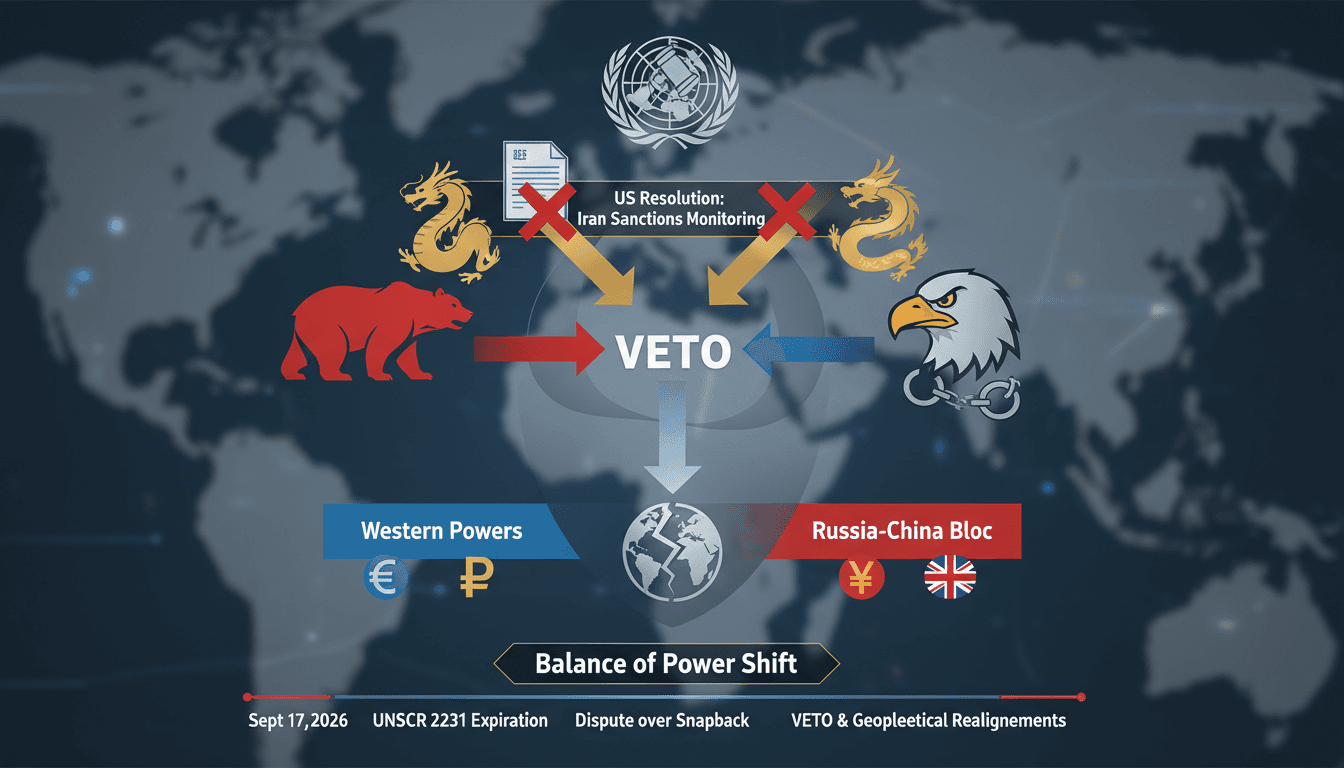
- On September 17, 2026, Russia and China vetoed a US-drafted resolution to extend the mandate of the Panel of Experts monitoring sanctions on Iran.
- The resolution received 11 votes in favor, but was blocked by the two permanent members, with Pakistan and Somalia abstaining.
- Iran expressed gratitude to Russia and China, framing their veto as a defense of international law against politically motivated actions.
The context you actually need
- The veto stems from disputes over the 2015 JCPOA nuclear deal and the expiration of Resolution 2231, which lifted certain sanctions on Iran.
- Western powers invoked a snapback mechanism in 2025 to reimpose sanctions, a move contested by Russia and China as lacking legal basis.
- The Panel of Experts, established under Resolution 1929, had its operational capacity limited, prompting the US to propose a one-year extension of its mandate.
What's really happening
The veto by Russia and China reflects a broader geopolitical realignment, particularly in relation to the United States' influence in international affairs. The US had sought to extend the mandate of the Panel of Experts, which monitors sanctions on Iran, as part of its ongoing strategy to contain Iranian influence in the Middle East. However, the veto indicates a growing resistance from Russia and China against what they perceive as unilateral actions by the US that undermine the authority of the United Nations.
This event is rooted in the complexities surrounding the Joint Comprehensive Plan of Action (JCPOA), the nuclear deal established in 2015, which aimed to limit Iran's nuclear capabilities in exchange for sanctions relief. The expiration of Resolution 2231 in October 2025, which scheduled the termination of certain UN sanctions, has led to heightened tensions. In 2025, Western powers, particularly the E3 (France, Germany, UK), invoked a snapback mechanism to reimpose sanctions, a move that Russia and China contested, arguing it lacked a legal foundation.
The veto not only halts the extension of the Panel of Experts' mandate but also signals a potential shift in how international sanctions may be enforced in the future. With Russia and China standing firm against the US proposal, they are asserting their influence in the Security Council and challenging the notion of a unipolar world order dominated by the US. This could embolden other nations to resist US-led initiatives, leading to a more multipolar international landscape.
Iran's response to the veto was one of gratitude, framing it as a victory for international law and a rejection of what it sees as politically motivated actions by the West. This sentiment is likely to resonate within Iran and among its allies, potentially strengthening their resolve against Western sanctions and fostering closer ties with Russia and China.
The implications of this veto extend beyond immediate diplomatic relations; they may also influence global energy markets. As tensions in the Middle East escalate, perceptions of stability in the Gulf region could be affected, impacting oil prices and energy security for countries reliant on Middle Eastern oil.
Who feels it first (and how)
- Energy Sector: Companies involved in oil and gas may see fluctuations in market stability and pricing.
- Diplomatic Entities: Governments and international organizations will need to navigate a more complex geopolitical landscape.
- Investors: Those with stakes in Middle Eastern markets may face increased risk and uncertainty.
What to watch next
- Future UN Security Council Votes: Monitor upcoming resolutions related to Iran and sanctions, as they may indicate shifting alliances.
- Iran's Regional Activities: Watch for Iran's response in terms of military and diplomatic actions in the region, which could escalate tensions.
- Energy Market Reactions: Keep an eye on oil prices and market stability as geopolitical tensions evolve, particularly in the Gulf region.
The veto by Russia and China has halted the extension of the Panel of Experts' mandate.
Increased geopolitical tensions in the Middle East and potential shifts in energy markets.
The long-term impact on US influence in international diplomacy and sanctions enforcement.
Frequently Asked Questions
- Why it matters?
- This veto signals a shift in geopolitical alliances that may affect sanctions enforcement and regional stability.
- What happened (in 30 seconds)?
- On September 17, 2026, Russia and China vetoed a US-drafted resolution to extend the mandate of the Panel of Experts monitoring sanctions on Iran. The resolution received 11 votes in favor, but was blocked by the two permanent members, with Pakistan and Somalia abstaining. Iran expressed gratitude to Russia and China, framing their veto as a defense of international law against politically motivated actions.
- What's really happening?
- The veto by Russia and China reflects a broader geopolitical realignment, particularly in relation to the United States' influence in international affairs. The US had sought to extend the mandate of the Panel of Experts, which monitors sanctions on Iran, as part of its ongoing strategy to contain Iranian influence in the Middle East. However, the veto indicates a growing resistance from Russia and China against what they perceive as unilateral actions by the US that undermine the authority of t
- Who feels it first (and how)?
- Energy Sector: Companies involved in oil and gas may see fluctuations in market stability and pricing. Diplomatic Entities: Governments and international organizations will need to navigate a more complex geopolitical landscape. Investors: Those with stakes in Middle Eastern markets may face increased risk and uncertainty.
- What to watch next?
- Future UN Security Council Votes: Monitor upcoming resolutions related to Iran and sanctions, as they may indicate shifting alliances. Iran's Regional Activities: Watch for Iran's response in terms of military and diplomatic actions in the region, which could escalate tensions. Energy Market Reactions: Keep an eye on oil prices and market stability as geopolitical tensions evolve, particularly in the Gulf region.
Arabic-language coverage of international news and geopolitics.
"RT Arabic is a Russian state-funded outlet often criticized for promoting Kremlin-aligned narratives."
— A47 Editor
إيران تبدي امتنانها لروسيا والصين لموقفهما في مجلس الأمن ضد مشروع قرار أمريكي بشأن العقوبات
The permanent mission of Iran to the United Nations expressed gratitude to Russia and China for their stance during the Security Council vote against a U.S. draft resolution aimed at extending the mandate of the expert team monitoring the sanctions r...
Jordanian news and regional updates.
"Roya News is a Jordanian outlet focused on breaking news and local affairs."
— A47 Editor
فيتو روسي صيني في مجلس الأمن يحبط مشروع قرار أمريكي بشأن عقوبات إيران
Russia and China exercised their veto power in the UN Security Council, blocking a U.S. proposal aimed at imposing sanctions on Iran. This decision reflects the ongoing geopolitical tensions surrounding Iran's nuclear program and its implications for...
Arabic-language coverage of political affairs and current events.
"Okaz political coverage typically follows mainstream Saudi framing on national and regional affairs."
— A47 Editor
روسيا والصين تجهضان قرارًا أمريكيًا بشأن عقوبات إيران
Russia and China have successfully blocked a U.S. proposal to extend the mandate of the expert committee overseeing sanctions on Iran by using their veto power in the UN Security Council. The U.S. draft highlighted ongoing disagreements regarding the...