
Trump Administration Expands GENEROUS Medicaid Model to All States
Why it matters
This policy aims to reduce Medicaid drug costs, potentially impacting state budgets and healthcare access for millions of Americans.
What happened (in 30 seconds)
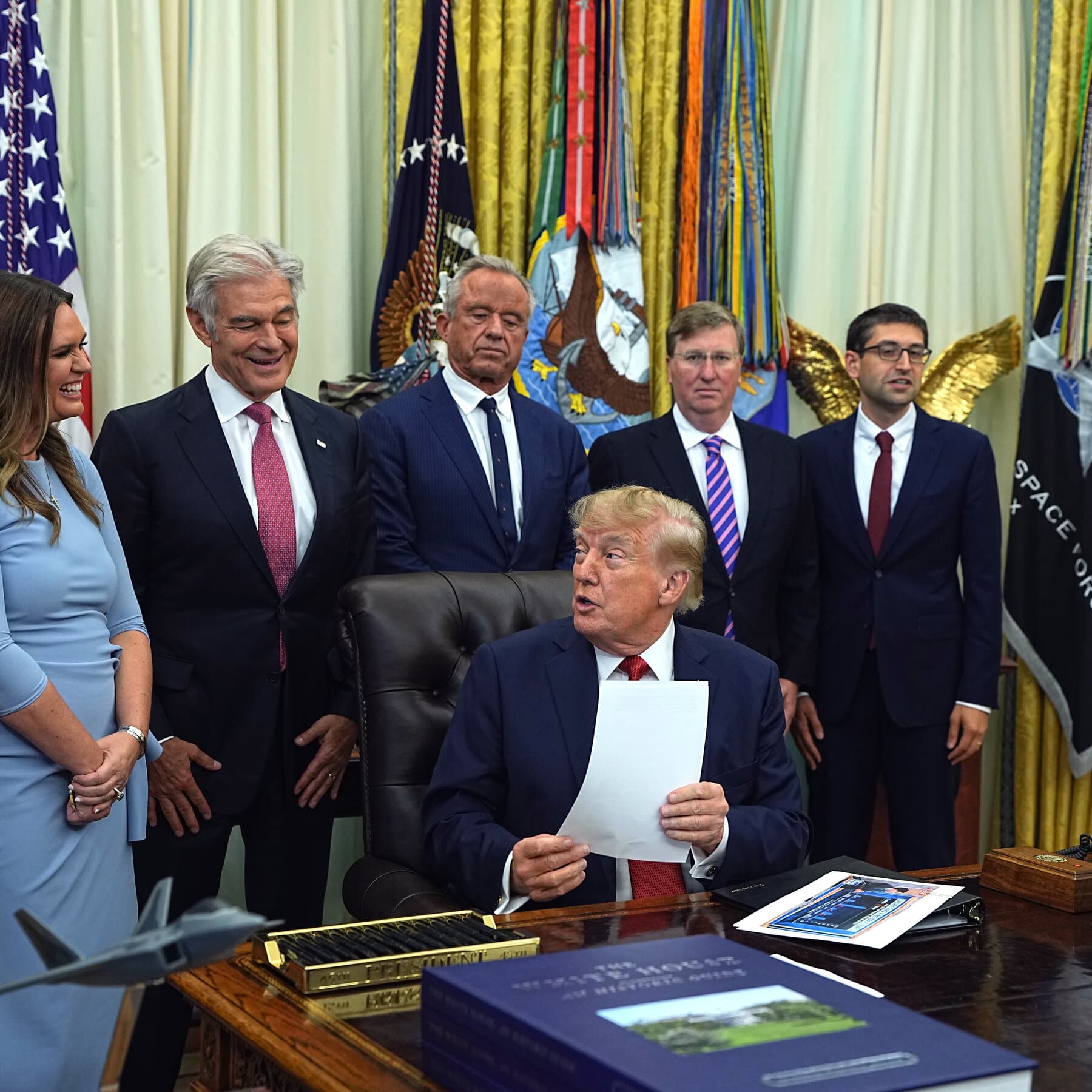
- On September 18, 2026, President Trump announced that all 50 states opted into the GENEROUS Medicaid Payment Model.
- The model aligns Medicaid drug prices with those in other wealthy nations, aiming for significant taxpayer savings.
- Participating manufacturers will provide supplemental rebates, but patient copayments remain unchanged.
The context you actually need
- Medicaid drug spending exceeded $100 billion annually before rebates, prompting the need for cost-saving measures.
- The GENEROUS model builds on previous agreements with pharmaceutical manufacturers, covering a significant portion of the branded drug market.
- The initiative is politically timed to align with midterm elections, emphasizing drug pricing achievements.
What's really happening
The GENEROUS Medicaid Payment Model represents a strategic expansion of the most-favored-nation (MFN) pricing approach that President Trump has championed since 2025. By aligning Medicaid drug prices with those in other affluent countries, the administration aims to leverage international pricing structures to lower costs for U.S. taxpayers. This model is particularly relevant as Medicaid drug spending has been a growing concern, with expenditures surpassing $100 billion annually before rebates.
Under this new framework, pharmaceutical manufacturers are incentivized to provide supplemental rebates that ensure net prices for select drugs match those of other nations. This could lead to substantial savings—an estimated $64.3 billion over the next decade—according to the White House Council of Economic Advisers. However, the model only applies to specific drugs under confidential agreements, meaning not all medications will see price reductions.
The implications of this model extend beyond immediate cost savings. States are expected to share the financial relief with the federal government, potentially easing budgetary pressures. However, the lack of transparency regarding the terms of agreements with pharmaceutical companies raises questions about the actual savings that will be realized. Analysts are cautious, noting that while the projected savings are significant, the effectiveness of the model will depend on the cooperation of manufacturers and the willingness of states to adapt to this new pricing structure.
Moreover, the timing of this announcement, just ahead of midterm elections, suggests a strategic move to bolster support among voters concerned about healthcare costs. By framing the initiative as a means to reduce expenses and reinvest in healthcare, the administration seeks to position itself favorably in the eyes of the electorate.
In summary, while the GENEROUS model has the potential to lower drug costs for Medicaid recipients, its success hinges on the cooperation of pharmaceutical companies and the transparency of the agreements made. The long-term impact on healthcare access and state budgets remains to be seen.
Who feels it first (and how)
- Medicaid beneficiaries: They may experience changes in drug availability and pricing.
- State governments: They could see budget relief from reduced drug costs.
- Pharmaceutical manufacturers: They must navigate new pricing agreements and potential impacts on sales.
- Healthcare providers: They may need to adjust treatment plans based on drug availability and pricing changes.
What to watch next
- State participation rates: Monitor how quickly remaining states opt into the GENEROUS model and the implications for drug pricing.
- Pharmaceutical company responses: Watch for announcements regarding agreements and how they affect drug availability and pricing.
- Impact on Medicaid budgets: Keep an eye on state and federal budget reports to assess the financial impact of the model over time.
All 50 states plus the District of Columbia and Puerto Rico have opted into the GENEROUS model.
The model will lead to lower net prices for select drugs, resulting in significant taxpayer savings.
The actual savings realized by states and the impact on patient access to medications remain uncertain.
Frequently Asked Questions
- Why it matters?
- This policy aims to reduce Medicaid drug costs, potentially impacting state budgets and healthcare access for millions of Americans.
- What happened (in 30 seconds)?
- On September 18, 2026, President Trump announced that all 50 states opted into the GENEROUS Medicaid Payment Model. The model aligns Medicaid drug prices with those in other wealthy nations, aiming for significant taxpayer savings. Participating manufacturers will provide supplemental rebates, but patient copayments remain unchanged.
- What's really happening?
- The GENEROUS Medicaid Payment Model represents a strategic expansion of the most-favored-nation (MFN) pricing approach that President Trump has championed since 2025. By aligning Medicaid drug prices with those in other affluent countries, the administration aims to leverage international pricing structures to lower costs for U.S. taxpayers. This model is particularly relevant as Medicaid drug spending has been a growing concern, with expenditures surpassing $100 billion annually before rebates.
- Who feels it first (and how)?
- Medicaid beneficiaries: They may experience changes in drug availability and pricing. State governments: They could see budget relief from reduced drug costs. Pharmaceutical manufacturers: They must navigate new pricing agreements and potential impacts on sales. Healthcare providers: They may need to adjust treatment plans based on drug availability and pricing changes.
- What to watch next?
- State participation rates: Monitor how quickly remaining states opt into the GENEROUS model and the implications for drug pricing. Pharmaceutical company responses: Watch for announcements regarding agreements and how they affect drug availability and pricing. Impact on Medicaid budgets: Keep an eye on state and federal budget reports to assess the financial impact of the model over time.
Markets, economy, and company analysis from NYT’s business desk.
"The New York Times is a globally recognized newspaper offering authoritative reporting with a center-left editorial stance."
— A47 Editor
Trump Promotes Program to Reduce Medicaid Drug Prices
Ahead of the midterm elections, President Trump announced that all states have joined a program aimed at aligning Medicaid drug prices with those in other wealthy nations. This initiative is framed as a strategy for states to save money, which could ...
Corporate leadership, finance, technology, and market trends.
"Fortune covers financial trends, leadership, and innovation with a pragmatic editorial approach."
— A47 Editor
‘No one knows what is in these deals’: Trump set to announce new Medicaid drug pricing model amid affordability concerns
President Trump is set to announce a new Medicaid drug pricing model, which follows the implementation of a 'Most Favored Nations' policy aimed at ensuring the U.S. pays the lowest price for medications. This announcement comes amid ongoing concerns ...
Conservative-leaning political and national coverage.
"The Washington Times is a conservative-leaning newspaper known for its political coverage and advocacy of right-of-center viewpoints."
— A47 Editor
Trump to announce all 50 states joining Medicaid drug pricing model
President Donald Trump announced that all 50 states will join a Medicaid drug pricing model aimed at implementing most favored nation pricing for certain drugs, which is expected to lower the net prices to levels comparable with those in other countr...