
Trump Enacts Sanctions Against Russia and Iran Amid Ongoing Ukraine Conflict
Why it matters
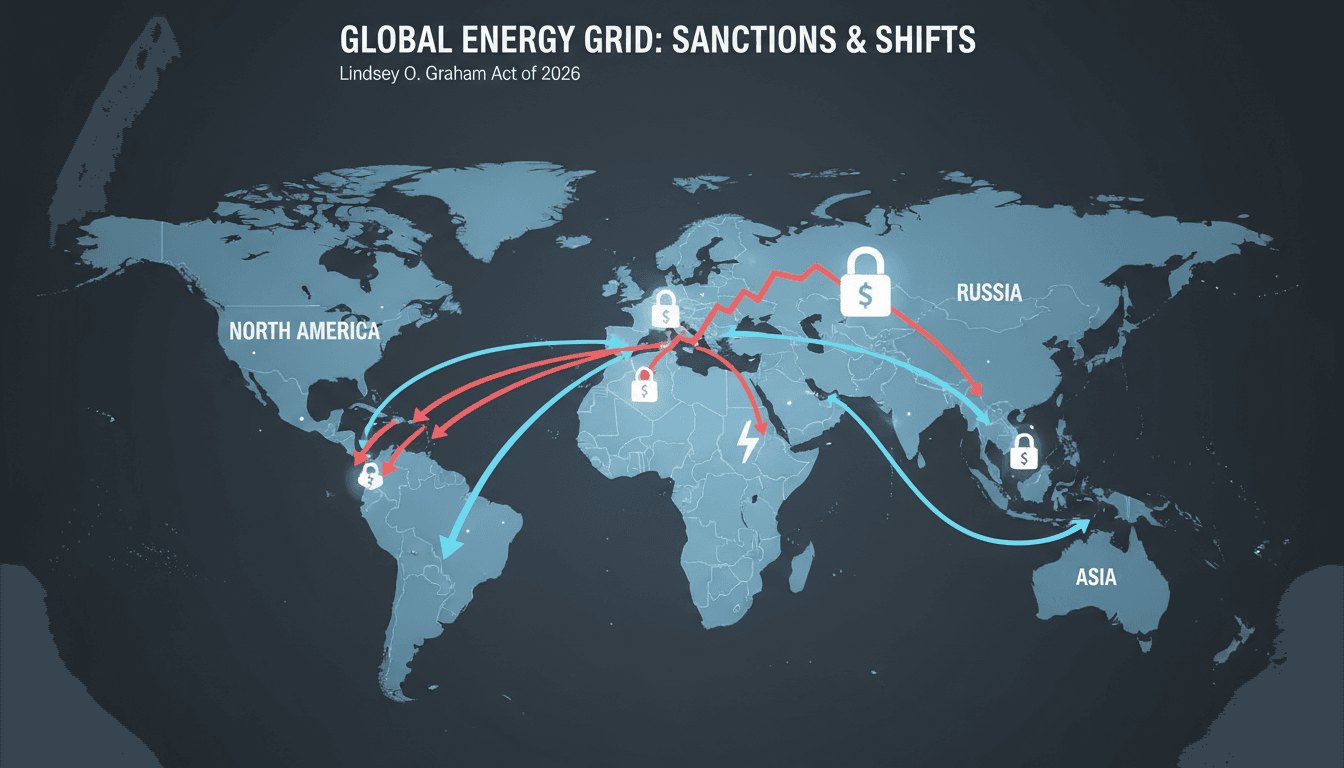
This legislation could significantly impact global energy prices and trade dynamics, particularly for countries reliant on Russian energy.
What happened (in 30 seconds)
- On September 18, 2026, President Trump signed the Lindsey O. Graham Sanctioning Russia and Iran Act into law.
- The law imposes expanded sanctions on Russian officials and energy sectors, including tariffs of up to 100% on major importers of Russian energy.
- Bipartisan support was evident, with the Senate passing the measure 86-11 and the House approving it 262-159.
The context you actually need
- The bill is a response to the ongoing Russia-Ukraine war, which has lasted over four years, and aims to cut off funding for Russia's military operations.
- It builds on previous sanctions while addressing evasion tactics used by Russia, such as shadow fleets and major importers like China and India.
- The late Senator Lindsey Graham, who championed the bill, is honored through its naming, reflecting bipartisan efforts in Congress.
What's really happening
The Lindsey O. Graham Sanctioning Russia and Iran Act of 2026 represents a strategic escalation in the U.S. approach to foreign policy regarding Russia and Iran. By imposing stringent sanctions, the legislation aims to cripple the financial resources available to Russia, particularly in light of its ongoing military actions in Ukraine. The sanctions target not only high-ranking officials and oligarchs but also the energy sector, which is crucial for Russia's economy.
The act introduces tariffs of up to 100% on major importers of Russian energy, which could include countries like China and India, known for their significant energy imports. This move is designed to deter these nations from continuing to support Russia economically, thereby increasing the pressure on Moscow to cease its military operations. The bipartisan support for the bill underscores a unified stance in Congress against Russian aggression, despite some dissent regarding the extent of presidential tariff powers.
The implications of this legislation extend beyond immediate political rhetoric. For global markets, particularly in energy, the potential for increased volatility is significant. As countries adjust to the new tariffs and sanctions, shifts in oil trade routes and pricing structures are likely to occur. This could lead to higher energy prices globally, affecting consumers and businesses alike.
Moreover, the act also extends sanctions on Iran through 2031, indicating a broader strategy to isolate both nations economically. The interconnectedness of global energy markets means that these sanctions will not only impact Russia and Iran but will also reverberate through economies that rely on their energy supplies. Countries in the Middle East, Europe, and Asia may find themselves navigating a more complex energy landscape as they adapt to these new realities.
In summary, the Lindsey O. Graham Sanctioning Russia and Iran Act is not just a legislative measure; it is a calculated maneuver in the geopolitical chess game that could reshape energy markets and international relations for years to come.
Who feels it first (and how)
- Energy importers: Companies and countries that rely on Russian energy will face immediate cost increases.
- Global traders: Those involved in oil and gas markets will experience volatility and potential supply chain disruptions.
- Consumers: Individuals may see rising energy prices at the pump and in utility bills as tariffs take effect.
What to watch next
- Energy price fluctuations: Monitor how global oil prices react to the new tariffs and sanctions, as this will impact economies worldwide.
- Responses from China and India: Watch for how these major importers adjust their energy strategies in light of the sanctions.
- Political developments in Ukraine: Continued military actions or negotiations could influence the effectiveness of the sanctions and the global response.
The act imposes significant sanctions on Russia and Iran, targeting their energy sectors.
Global energy prices will rise as markets adjust to the new tariffs and sanctions.
The long-term effectiveness of these sanctions in altering Russia's military strategy in Ukraine remains uncertain.
Frequently Asked Questions
- Why it matters?
- This legislation could significantly impact global energy prices and trade dynamics, particularly for countries reliant on Russian energy.
- What happened (in 30 seconds)?
- On September 18, 2026, President Trump signed the Lindsey O. Graham Sanctioning Russia and Iran Act into law. The law imposes expanded sanctions on Russian officials and energy sectors, including tariffs of up to 100% on major importers of Russian energy. Bipartisan support was evident, with the Senate passing the measure 86-11 and the House approving it 262-159.
- What's really happening?
- The Lindsey O. Graham Sanctioning Russia and Iran Act of 2026 represents a strategic escalation in the U.S. approach to foreign policy regarding Russia and Iran. By imposing stringent sanctions, the legislation aims to cripple the financial resources available to Russia, particularly in light of its ongoing military actions in Ukraine. The sanctions target not only high-ranking officials and oligarchs but also the energy sector, which is crucial for Russia's economy. The act introduces tariffs
- Who feels it first (and how)?
- Energy importers: Companies and countries that rely on Russian energy will face immediate cost increases. Global traders: Those involved in oil and gas markets will experience volatility and potential supply chain disruptions. Consumers: Individuals may see rising energy prices at the pump and in utility bills as tariffs take effect.
- What to watch next?
- Energy price fluctuations: Monitor how global oil prices react to the new tariffs and sanctions, as this will impact economies worldwide. Responses from China and India: Watch for how these major importers adjust their energy strategies in light of the sanctions. Political developments in Ukraine: Continued military actions or negotiations could influence the effectiveness of the sanctions and the global response.
Pan-Arab political news and analysis.
"Al-Quds Al-Arabi is a London-based Arabic newspaper known for political coverage."
— A47 Editor
ترامب يوقع مشروع قانون العقوبات ضد روسيا ليصبح قانونا
On September 18, 2026, President Donald Trump signed a comprehensive sanctions bill against Russia, which is now law, as announced by the White House. This legislation aims to increase economic pressure on Moscow due to its invasion of Ukraine, targe...
Arabic-language coverage of political affairs and current events.
"Okaz political coverage typically follows mainstream Saudi framing on national and regional affairs."
— A47 Editor
ترمب يوقع قانوناً يفرض عقوبات جديدة على روسيا
U.S. President Donald Trump signed a law imposing a wide range of new sanctions on Russia, aimed at increasing economic pressure on Moscow amid the ongoing war in Ukraine. The White House announced the signing after the legislation was passed by Cong...
Arabic-language coverage of international news and geopolitics.
"RT Arabic is a Russian state-funded outlet often criticized for promoting Kremlin-aligned narratives."
— A47 Editor
مجلس النواب الأمريكي يقر مشروع قانون لتشديد العقوبات على روسيا
The U.S. House of Representatives approved a bill on Wednesday that had already been passed by the Senate, which aims to tighten sanctions imposed on Russia. The legislation is now set to be sent to President Donald Trump for his signature.
Pan-Arab political news and analysis.
"Al-Quds Al-Arabi is a London-based Arabic newspaper known for political coverage."
— A47 Editor
الكونغرس الأمريكي يقر مشروع قانون لفرض عقوبات على روسيا
The U.S. House of Representatives approved a comprehensive package of sanctions aimed at increasing pressure on Russia due to its ongoing war in Ukraine, with the bill passing by a vote of 262 to 159. The legislation has been forwarded to President D...