
US Imposes New Sanctions on Russian Energy and Defense Sectors Amid Ongoing Ukraine Conflict
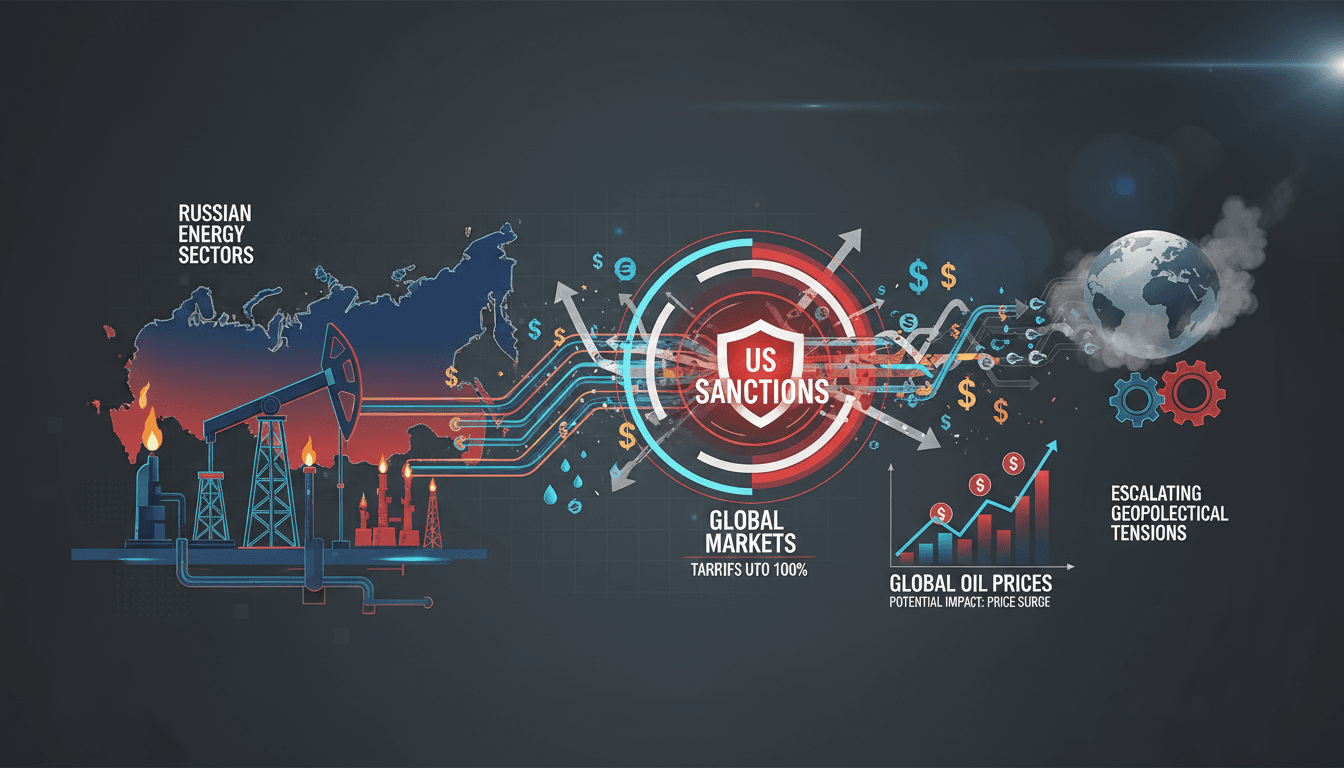
Why it matters
These sanctions intensify economic pressure on Russia, potentially reshaping global energy markets and geopolitical alliances.
What happened (in 30 seconds)
- On September 19-20, 2026, President Trump signed the Lindsey Graham Sanctioning Russia Act, imposing new sanctions on Russia's energy and defense sectors.
- Ukrainian President Zelensky welcomed the sanctions, expressing gratitude towards the US for supporting Ukraine amid ongoing military operations.
- Russian Deputy Security Council Chairman Medvedev warned of potential military responses, indicating a shift towards direct military deterrence.
The context you actually need
- The Russia-Ukraine war has now entered its fifth year, with ongoing military operations and failed peace efforts.
- Previous sanctions had already been imposed, but this new legislation aims to escalate economic pressure specifically on Russia's energy exports.
- The sanctions authorize tariffs up to 100% on major buyers of Russian oil and gas, targeting countries like China and India that have been significant importers.
What's really happening
The Lindsey Graham Sanctioning Russia Act represents a significant escalation in the US's economic strategy against Russia, particularly in response to its ongoing military aggression in Ukraine. By targeting the energy and defense sectors, the legislation aims to cut off critical revenue streams that fund Russia's military operations. This move is not just about punishing Russia; it’s also about altering the calculus of countries that continue to engage with Moscow economically.
The sanctions authorize tariffs of up to 100% on Russian energy exports, which could lead to a substantial increase in global oil prices. This is particularly relevant for countries that rely on Russian energy, such as China and India, which may face higher costs and potential supply disruptions. The legislation also targets senior Russian officials and the so-called "shadow fleet," which refers to vessels that transport Russian oil while circumventing sanctions. This comprehensive approach aims to tighten the noose around Russia's economic capabilities.
Zelensky's public support for the sanctions underscores the importance of US backing for Ukraine, as the country continues to face territorial losses and military challenges. The Ukrainian military has reported significant Russian territorial gains, with over 5,300 km² controlled by Russian forces since the beginning of 2026. This context makes the sanctions not just a punitive measure but a strategic tool aimed at shifting the balance of power in the ongoing conflict.
In response, Medvedev's warning of military deterrence indicates that Russia may not simply accept these sanctions without retaliation. This could manifest in various forms, including increased military operations in Ukraine or hybrid threats targeting European nations that support the sanctions. The potential for escalation raises concerns about broader geopolitical stability, particularly in Europe.
As the sanctions take effect, the global energy market will be closely monitored for signs of volatility. Countries dependent on stable energy prices, such as those in the Gulf region, may experience economic repercussions as the sanctions impact supply chains and pricing structures.
Who feels it first (and how)
- Energy consumers: Higher fuel prices could affect household budgets and transportation costs.
- Businesses reliant on stable energy prices: Companies in sectors like manufacturing and logistics may face increased operational costs.
- Geopolitical analysts and policymakers: They will need to reassess strategies in light of potential Russian military responses and shifts in global alliances.
What to watch next
- Global oil prices: Monitor fluctuations as sanctions impact Russian exports and alter supply dynamics.
- Russian military activity: Watch for any escalations in Ukraine or hybrid threats against European nations as a response to the sanctions.
- Reactions from China and India: Their responses to increased tariffs on Russian energy could reshape their diplomatic and economic ties with both Russia and the US.
The sanctions have been enacted and will target Russian energy and defense sectors.
Increased energy prices and potential military responses from Russia.
The long-term impact on global energy markets and geopolitical stability.
Frequently Asked Questions
- Why it matters?
- These sanctions intensify economic pressure on Russia, potentially reshaping global energy markets and geopolitical alliances.
- What happened (in 30 seconds)?
- On September 19-20, 2026, President Trump signed the Lindsey Graham Sanctioning Russia Act, imposing new sanctions on Russia's energy and defense sectors. Ukrainian President Zelensky welcomed the sanctions, expressing gratitude towards the US for supporting Ukraine amid ongoing military operations. Russian Deputy Security Council Chairman Medvedev warned of potential military responses, indicating a shift towards direct military deterrence.
- What's really happening?
- The Lindsey Graham Sanctioning Russia Act represents a significant escalation in the US's economic strategy against Russia, particularly in response to its ongoing military aggression in Ukraine. By targeting the energy and defense sectors, the legislation aims to cut off critical revenue streams that fund Russia's military operations. This move is not just about punishing Russia; it’s also about altering the calculus of countries that continue to engage with Moscow economically. The sanctions
- Who feels it first (and how)?
- Energy consumers: Higher fuel prices could affect household budgets and transportation costs. Businesses reliant on stable energy prices: Companies in sectors like manufacturing and logistics may face increased operational costs. Geopolitical analysts and policymakers: They will need to reassess strategies in light of potential Russian military responses and shifts in global alliances.
- What to watch next?
- Global oil prices: Monitor fluctuations as sanctions impact Russian exports and alter supply dynamics. Russian military activity: Watch for any escalations in Ukraine or hybrid threats against European nations as a response to the sanctions. Reactions from China and India: Their responses to increased tariffs on Russian energy could reshape their diplomatic and economic ties with both Russia and the US.
Arabic-language coverage of Saudi, regional, and international affairs.
"Al Bilad offers mainstream Saudi newspaper coverage across domestic and broader Arab topics."
— A47 Editor
زيلينسكي يرحب.. وروسيا تلوّح بـ«ردع عسكري».. ترمب يفرض عقوبات على موسكو
The United States has intensified its pressure on Russia following President Donald Trump's signing of a new law imposing sanctions on Moscow due to its ongoing war in Ukraine. Russian Deputy Security Council Chairman Dmitry Medvedev has hinted at a ...
Arabic-language coverage of political affairs and current events.
"Okaz political coverage typically follows mainstream Saudi framing on national and regional affairs."
— A47 Editor
رداً على عقوبات ترمب.. مدفيديف يلوّح بـ«الردع العسكري»
Dmitry Medvedev, the former Russian president and current deputy chairman of the Russian Security Council, has threatened a military response to new U.S. sanctions imposed by President Donald Trump, which target Russia due to the ongoing war in Ukrai...
Arabic-language coverage of political affairs and current events.
"Okaz political coverage typically follows mainstream Saudi framing on national and regional affairs."
— A47 Editor
ترمب يوقع قانوناً يفرض عقوبات جديدة على روسيا
U.S. President Donald Trump signed a law imposing a wide range of new sanctions on Russia, aimed at increasing economic pressure on Moscow amid the ongoing war in Ukraine. The White House announced the signing after the legislation was passed by Cong...