
Peru's presidential election results remain uncertain amid deep political polarization
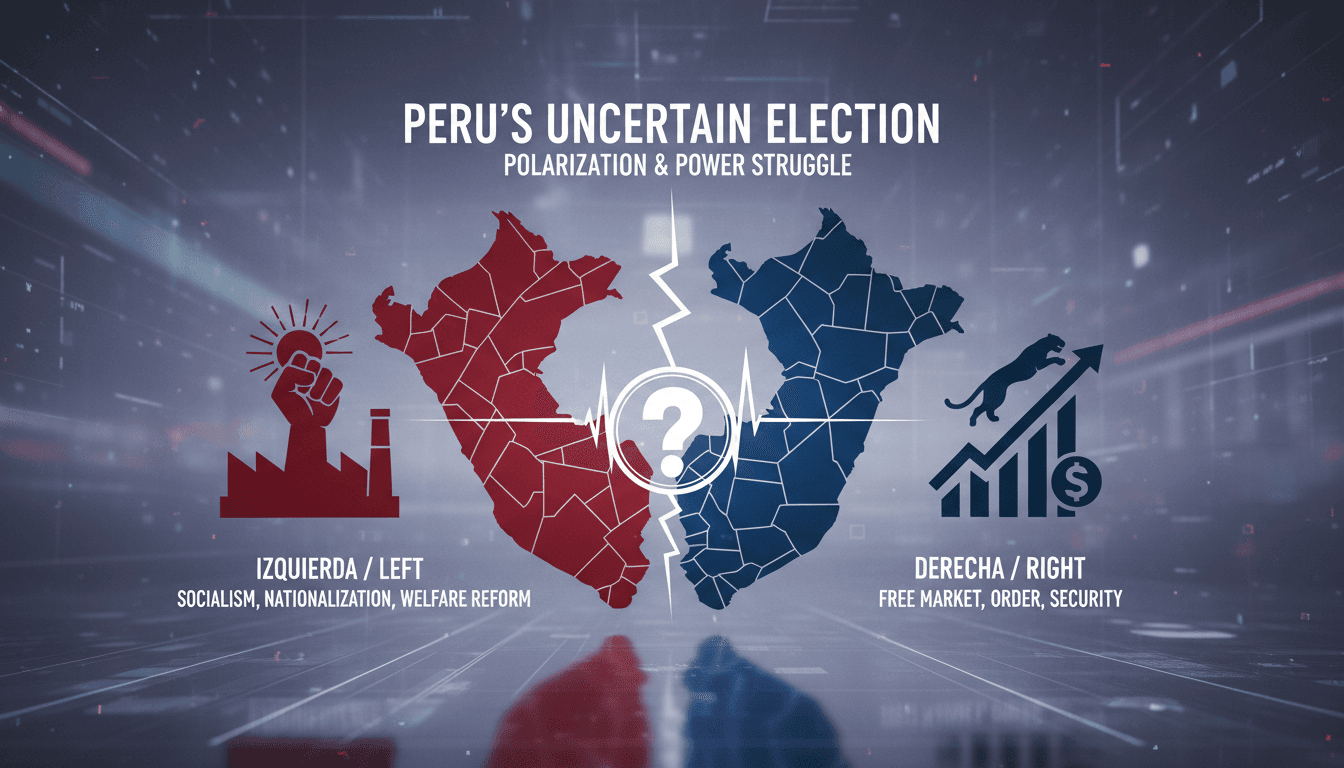
Here's what it means for you.
The ongoing presidential election in Peru underscores a critical juncture for the nation, as voters grapple with a choice between candidates representing starkly different political ideologies. The outcome will likely shape governance and influence responses to pressing social issues such as crime and inequality. As the vote count continues, the implications for Peru's political landscape remain significant.
What happened
Peru's presidential election is currently too close to call, resulting in a prolonged vote count. This situation reflects the country's deep political polarization, with a tight race between left- and right-wing candidates. Voters are expressing a strong desire for stability after a tumultuous decade characterized by eight presidents in ten years.
The election day took place on June 6, 2026, and the counting of votes began immediately after polls closed. However, the close nature of the race has led to delays in announcing the final results, leaving the nation in suspense.
The Context
Peru has faced significant political instability, with eight presidents in the last decade, which has left voters yearning for effective governance. The current election highlights the ongoing divisions within the country, as citizens prioritize stability and security in their choice of leadership. The stakes are high, as the next president will need to address critical issues such as crime and inequality that have plagued the nation.
As the vote count progresses, the political landscape of Peru hangs in the balance, with potential implications for both domestic and international stakeholders. The outcome will not only affect governance but also the broader socio-economic environment in the country.
Takeaway
As the election results unfold, Peru stands at a pivotal moment that could reshape its political future. Observers should monitor the official results as they are released, as well as any potential coalition formations or political alliances that may emerge post-election. The implications of this election are profound, with the potential to influence governance and address pressing social issues.
The desire for stability and effective leadership is palpable among voters, making the outcome of this election crucial for the nation's trajectory.
Comprehensive coverage of Middle Eastern and global issues.
"Al Jazeera is a prominent voice from the Global South, especially the Middle East, with an emphasis on underreported stories."
— A47 Editor
Race tied between left- and right-wing rivals in Peru’s presidential vote
Peru is currently witnessing a tightly contested presidential runoff election between conservative candidate Keiko Fujimori and leftist Roberto Sanchez, following a first round marked by logistical challenges and allegations of fraud. This election r...
Oil, metals, and agriculture: supply/demand headlines, OPEC chatter, inventories, and price action.
"Solid tape for energy and metals traders tracking macro and micro catalysts."
— A47 Editor
Peru set for lengthy count as presidential race too close to call
Peru is currently experiencing a lengthy vote count in its presidential election, where the outcome remains uncertain due to a close race between leading candidates Keiko Fujimori and Pedro Sánchez. The election has been marked by significant delays ...
International coverage of politics, culture, and current affairs.
"BBC News is widely regarded as a reputable international news organization, known for its impartial tone and public service mandate."
— A47 Editor
Insecurity and instability drive voters in Peru's tight presidential race
Peru is currently experiencing a tight presidential race marked by significant insecurity and instability, with voters seeking a leader who can address pressing issues such as crime and inequality. This follows a tumultuous decade in which the countr...