
Saudi Arabia's Ministry of Energy Reports 847 Licensing Violations in August Inspections
Why it matters
This crackdown on licensing violations is a key step in ensuring market integrity and energy supply security in Saudi Arabia.
What happened (in 30 seconds)
- Regulatory teams conducted 10,746 inspections across Saudi Arabia in August 2026, identifying 847 violations.
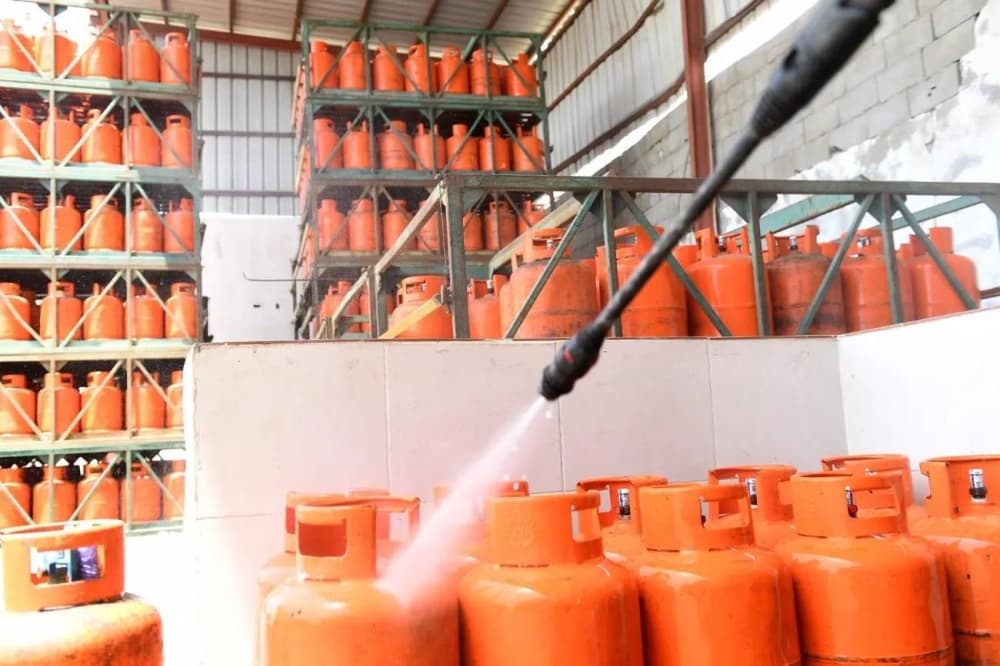
- Primary violations included operating without required licenses and unauthorized retail sales of LPG cylinders.
- The Ministry of Energy emphasized that these inspections are part of ongoing efforts to enforce compliance and protect market integrity.
The context you actually need
- Saudi Arabia has established comprehensive regulatory frameworks for the petroleum and gas sectors, including the Petroleum and Petrochemical Materials System.
- In February 2026, the Ministry introduced stricter violation control regulations, imposing fines up to 20 million SAR for serious infractions.
- Monthly inspection reports show a consistent pattern of enforcement, with 9,263 visits and 964 violations reported in July 2026.
What's really happening
In August 2026, Saudi Arabia's Ministry of Energy ramped up its regulatory oversight, conducting a record number of inspections across the nation. The results, released on September 20, revealed a significant number of licensing violations, with 847 infractions detected during 10,746 visits. The predominant issues included unlicensed operations, unauthorized retail sales of liquefied petroleum gas (LPG) cylinders, and tariff non-compliance.
This crackdown is not merely a reaction to isolated incidents; it reflects a broader strategy to enhance compliance within the energy sector. The Ministry's focus on licensing is part of a systematic approach to secure energy supplies and maintain market integrity, aligning with the objectives of Vision 2030. By enforcing strict adherence to licensing requirements, the Ministry aims to eliminate unregulated activities that could jeopardize the stability of the energy market.
The introduction of detailed violation control regulations earlier in 2026, which included hefty fines for serious infractions, underscores the seriousness of this initiative. The Ministry has made it clear that compliance is non-negotiable, and operators are urged to obtain the necessary licenses through a unified electronic platform. This proactive stance is designed to foster a more transparent and accountable energy sector, ultimately benefiting consumers and legitimate businesses.
Moreover, the Ministry has established multiple channels for public reporting of violations, including a dedicated hotline and mobile applications. This encourages community involvement in regulatory enforcement, creating a culture of accountability. The ongoing inspections and public awareness campaigns are expected to continue, reinforcing the message that compliance is essential for all operators in the energy sector.
As the Ministry of Energy continues its inspections, the implications for the market are significant. Operators who fail to comply with licensing requirements risk facing severe penalties, which could lead to market exits for non-compliant businesses. This could create a more competitive environment for those who adhere to regulations, potentially leading to improved service quality and reliability for consumers.
Who feels it first (and how)
- Energy sector operators: Companies must ensure compliance to avoid penalties and maintain their licenses.
- Retailers of petroleum products: Those involved in LPG sales must secure proper licensing to operate legally.
- Consumers: Increased compliance may lead to more reliable energy supplies and improved service quality.
What to watch next
- Continued inspection reports: Monitoring the frequency and outcomes of inspections will indicate the effectiveness of enforcement efforts.
- Market reactions: Watch for shifts in the energy market as non-compliant operators exit, potentially leading to increased competition among compliant businesses.
- Public engagement: The effectiveness of public reporting channels may influence compliance rates and overall market integrity.
The Ministry of Energy is actively enforcing licensing regulations.
Increased compliance will lead to a more stable and competitive energy market.
The long-term impact on non-compliant operators and potential market exits remains to be seen.
Frequently Asked Questions
- Why it matters?
- This crackdown on licensing violations is a key step in ensuring market integrity and energy supply security in Saudi Arabia.
- What happened (in 30 seconds)?
- Regulatory teams conducted 10,746 inspections across Saudi Arabia in August 2026, identifying 847 violations. Primary violations included operating without required licenses and unauthorized retail sales of LPG cylinders. The Ministry of Energy emphasized that these inspections are part of ongoing efforts to enforce compliance and protect market integrity.
- What's really happening?
- In August 2026, Saudi Arabia's Ministry of Energy ramped up its regulatory oversight, conducting a record number of inspections across the nation. The results, released on September 20, revealed a significant number of licensing violations, with 847 infractions detected during 10,746 visits. The predominant issues included unlicensed operations, unauthorized retail sales of liquefied petroleum gas (LPG) cylinders, and tariff non-compliance. This crackdown is not merely a reaction to isolated i
- Who feels it first (and how)?
- Energy sector operators: Companies must ensure compliance to avoid penalties and maintain their licenses. Retailers of petroleum products: Those involved in LPG sales must secure proper licensing to operate legally. Consumers: Increased compliance may lead to more reliable energy supplies and improved service quality.
- What to watch next?
- Continued inspection reports: Monitoring the frequency and outcomes of inspections will indicate the effectiveness of enforcement efforts. Market reactions: Watch for shifts in the energy market as non-compliant operators exit, potentially leading to increased competition among compliant businesses. Public engagement: The effectiveness of public reporting channels may influence compliance rates and overall market integrity.
Arabic-language coverage of Saudi, regional, and international affairs.
"Al Bilad offers mainstream Saudi newspaper coverage across domestic and broader Arab topics."
— A47 Editor
تعزيز الامتثال للأنظمة والمتطلبات التنظيمية.. الطاقة: رصد «847» مخالفة لنظامي المواد البترولية والبتروكيماوية
The Ministry of Energy conducted 10,746 inspections in August 2026, resulting in the identification of 847 violations related to the petroleum and petrochemical regulations, as well as the distribution of dry gas and liquefied petroleum gas for resid...
Arabic-language reporting focused on Saudi domestic affairs and current events.
"Al Watan is a mainstream Saudi newspaper with strong domestic coverage and a broad general-news profile."
— A47 Editor
مخالفات التراخيص تتصدر رقابة الطاقة
The Ministry of Energy conducted 10,746 inspections in August 2026, resulting in the identification of 847 violations related to petroleum and petrochemical regulations, including operating without necessary licenses and selling gas cylinders without...
English-language reporting on Saudi politics, policy, and society.
"Saudi Gazette reflects mainstream Saudi institutional perspectives."
— A47 Editor
Saudi Energy Ministry detects 847 violations in over 10,000 inspections
The Saudi Ministry of Energy conducted 10,746 inspections in August 2026, uncovering 847 violations related to petroleum and petrochemical regulations, including unlicensed operations and improper sales practices.
English-language reporting focused on Saudi Arabia and regional affairs.
"Saudi Gazette provides English-language coverage that often aligns with mainstream Saudi news priorities."
— A47 Editor
Saudi Energy Ministry detects 847 violations in over 10,000 inspections
The Saudi Ministry of Energy conducted 10,746 inspections in August 2026, uncovering 847 violations related to petroleum and petrochemical regulations, including unlicensed operations and improper sales practices.
Arabic-language reporting focused on domestic developments in Saudi Arabia.
"Okaz is a mainstream Saudi newspaper that often reflects domestic priorities and official-facing coverage."
— A47 Editor
847 مخالفة لـ «المواد البترولية والبتروكيماوية» في شهر واحد
The Ministry of Energy's regulatory teams reported 847 violations of petroleum and petrochemical regulations during August, identified through 10,746 inspections. Key violations included conducting petroleum operations without necessary licenses, sel...