
UK Prime Minister Burnham Launches National Centre for Information Defence and Global AI Standards Initiative
Why it matters
This initiative positions the UK as a leader in combating disinformation and establishing AI governance, impacting international tech regulations.
What happened (in 30 seconds)
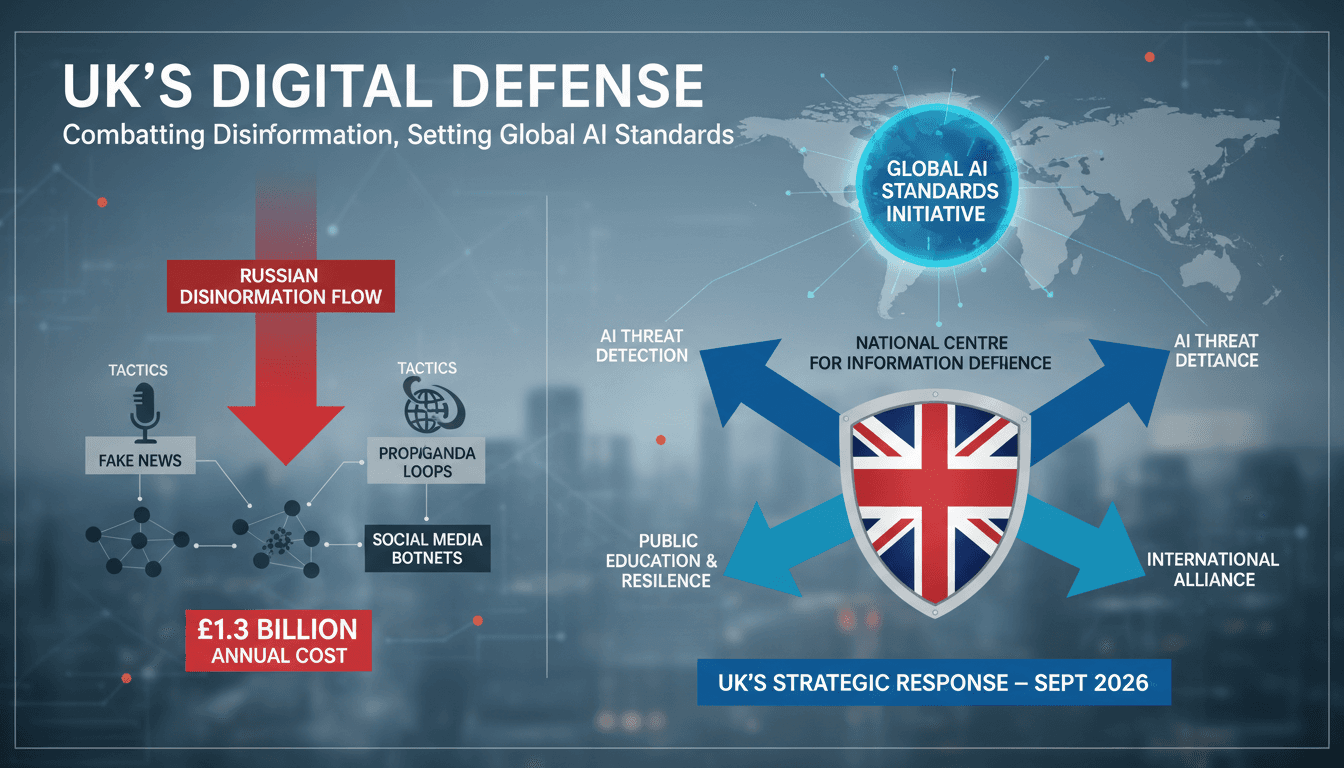
- UK Prime Minister Andy Burnham announced the creation of a National Centre for Information Defence at the UN General Assembly on 22 September 2026.
- Burnham accused Russia of spending £1.3 billion annually on disinformation tactics, including bots and fake media.
- The UK committed to leading global efforts for AI safety standards, aligning with over 20 countries to establish a unified framework.
The context you actually need
- Geopolitical tensions are rising, particularly with Russia's ongoing disinformation campaigns targeting Western democracies.
- AI's potential risks are increasingly recognized, prompting calls for governance frameworks to mitigate threats to democracy and national security.
- Previous UK initiatives like the AI Security Institute have laid the groundwork for international collaboration on AI safety.
What's really happening
In his address, Prime Minister Burnham highlighted the urgent need for a coordinated response to hybrid threats, particularly from Russia, which has been accused of employing sophisticated disinformation tactics. These tactics include the use of bots, falsified articles, and impersonation of reputable British organizations, such as universities and the BBC. The establishment of the National Centre for Information Defence aims to detect, attribute, and disrupt AI-enabled information attacks. This center will work closely with intelligence agencies, law enforcement, and social media platforms to enhance the UK's resilience against such threats.
The UK’s commitment to leading global AI safety standards is equally significant. Burnham's pledge to develop a single set of principles for AI transparency, access, and safe development reflects a growing recognition of AI's dual-use nature—its potential to benefit society while also posing risks. The initiative builds on a declaration proposed by Norway and supported by over 20 countries, indicating a collaborative international effort to address these challenges. As the UK prepares for its G20 presidency in 2027, AI governance will be a central theme, positioning the UK as a key player in shaping the future of AI regulation.
This initiative also signals a strategic pivot in the UK's foreign policy, emphasizing its role as an 'honest broker' in international relations. By leveraging its existing AI Security Institute and transatlantic ties, the UK aims to mitigate AI-amplified risks to democracy and national security. The announcement comes at a time when European nations are increasingly imposing sanctions on Russian cyber and influence actors, highlighting a broader consensus on the need for collective action against disinformation.
However, the response from Russia has been dismissive, rejecting the allegations made by Burnham. This sets the stage for potential diplomatic tensions as the UK seeks to align its allies against disinformation campaigns. The emphasis on collaboration with countries like Moldova against election interference further illustrates the UK's proactive stance in safeguarding democratic processes.
Who feels it first (and how)
- Tech companies: They may face new compliance requirements as global AI standards are established.
- Government agencies: Increased scrutiny and collaboration with international partners to combat disinformation.
- Media organizations: Potential changes in how they report and manage information to align with new standards.
- Consumers: Heightened awareness of disinformation tactics may influence media consumption and trust in information sources.
What to watch next
- Implementation of the National Centre for Information Defence: Monitoring its effectiveness in countering disinformation will be crucial for assessing its impact.
- Development of global AI safety standards: The progress of international collaborations and agreements will shape the regulatory landscape for AI.
- Responses from Russia and other adversarial states: Observing how these nations react to the UK's initiatives will provide insights into the geopolitical landscape.
The UK has committed to establishing a National Centre for Information Defence.
International collaboration on AI safety standards will increase among allied nations.
The long-term effectiveness of the UK's initiatives in mitigating disinformation threats remains to be seen.
Frequently Asked Questions
- Why it matters?
- This initiative positions the UK as a leader in combating disinformation and establishing AI governance, impacting international tech regulations.
- What happened (in 30 seconds)?
- UK Prime Minister Andy Burnham announced the creation of a National Centre for Information Defence at the UN General Assembly on 22 September 2026. Burnham accused Russia of spending £1.3 billion annually on disinformation tactics, including bots and fake media. The UK committed to leading global efforts for AI safety standards, aligning with over 20 countries to establish a unified framework.
- What's really happening?
- In his address, Prime Minister Burnham highlighted the urgent need for a coordinated response to hybrid threats, particularly from Russia, which has been accused of employing sophisticated disinformation tactics. These tactics include the use of bots, falsified articles, and impersonation of reputable British organizations, such as universities and the BBC. The establishment of the National Centre for Information Defence aims to detect, attribute, and disrupt AI-enabled information attacks. This
- Who feels it first (and how)?
- Tech companies: They may face new compliance requirements as global AI standards are established. Government agencies: Increased scrutiny and collaboration with international partners to combat disinformation. Media organizations: Potential changes in how they report and manage information to align with new standards. Consumers: Heightened awareness of disinformation tactics may influence media consumption and trust in information sources.
- What to watch next?
- Implementation of the National Centre for Information Defence: Monitoring its effectiveness in countering disinformation will be crucial for assessing its impact. Development of global AI safety standards: The progress of international collaborations and agreements will shape the regulatory landscape for AI. Responses from Russia and other adversarial states: Observing how these nations react to the UK's initiatives will provide insights into the geopolitical landscape.
Political developments, policy debates, elections, and government affairs in the UK.
"BBC News is widely regarded as a reputable international news organization, known for its impartial tone and public service mandate."
— A47 Editor
UK to fight Russian disinformation and push new global AI standards, Burnham says
UK Prime Minister Andy Burnham addressed world leaders at the United Nations, emphasizing the UK's role as a potential 'honest broker' in global challenges, particularly in combating Russian disinformation and advocating for new international standar...
News and features on AI from The Guardian.
"Progressive-leaning international outlet with critical AI coverage."
— A47 Editor
New UK agency to fight ‘information warfare’ from likes of Russia, Burnham tells UN
UK Prime Minister Andy Burnham announced the establishment of the National Centre for Information Defence during his address to the UN, aimed at combating disinformation and deepfakes from hostile nations like Russia. This initiative seeks to unify i...
UK and international business news, economics, and corporate coverage.
"The Guardian’s business section covers finance and markets with a progressive editorial tone."
— A47 Editor
New UK agency to fight ‘information warfare’ from likes of Russia, Burnham tells UN
UK Prime Minister Andy Burnham announced the establishment of the National Centre for Information Defence during his address to the UN, aimed at combating disinformation and deepfakes from hostile nations like Russia. This initiative seeks to unify i...
Top international stories selected by The Guardian editors.
"The Guardian is known for its progressive editorial stance and in-depth analysis."
— A47 Editor
New UK agency to fight ‘information warfare’ from likes of Russia, Burnham tells UN
UK Prime Minister Andy Burnham announced the establishment of the National Centre for Information Defence during his address to the UN, aimed at combating disinformation and deepfakes from hostile nations like Russia. This initiative seeks to unify i...
Tech culture, product news, and critical takes on the tech industry's social impact.
"The Guardian's tech coverage blends mainstream news, critical analysis, and cultural commentary on emerging technologies and digital trends."
— A47 Editor
New UK agency to fight ‘information warfare’ from likes of Russia, Burnham tells UN
UK Prime Minister Andy Burnham announced the establishment of the National Centre for Information Defence during his address to the UN, aimed at combating disinformation and deepfakes from hostile nations like Russia. This initiative seeks to unify i...
Global news coverage with extensive reporting on Middle Eastern conflicts and geopolitics.
"Al Jazeera is a Qatar-based broadcaster known for wide regional coverage and alternative perspectives."
— A47 Editor
UK PM Burnham condemns ‘repulsive’ Russian electoral interference
UK Prime Minister Andy Burnham condemned Russian electoral interference during his address at the UN General Assembly, labeling it as 'repulsive' and highlighting the ongoing issue of information warfare. This statement reflects the UK's stance on Ru...
Editor-curated FT homepage stories spanning markets, business, world, and opinion.
"The Financial Times is a globally respected business publication with a centrist/center-left tone and strong markets focus."
— A47 Editor
Burnham says world must ‘rise to the moment’ on AI
UK Prime Minister Andy Burnham has emphasized the urgent need for the world to address the challenges posed by artificial intelligence (AI), anticipating it will disrupt traditional ways of living and working. He called for a collective response to h...