
White House Launches Trump TV YouTube Channel Amid Media Boycott
Why it matters
This initiative reflects a growing trend of direct communication from political figures, potentially diminishing the role of traditional media.
What happened (in 30 seconds)
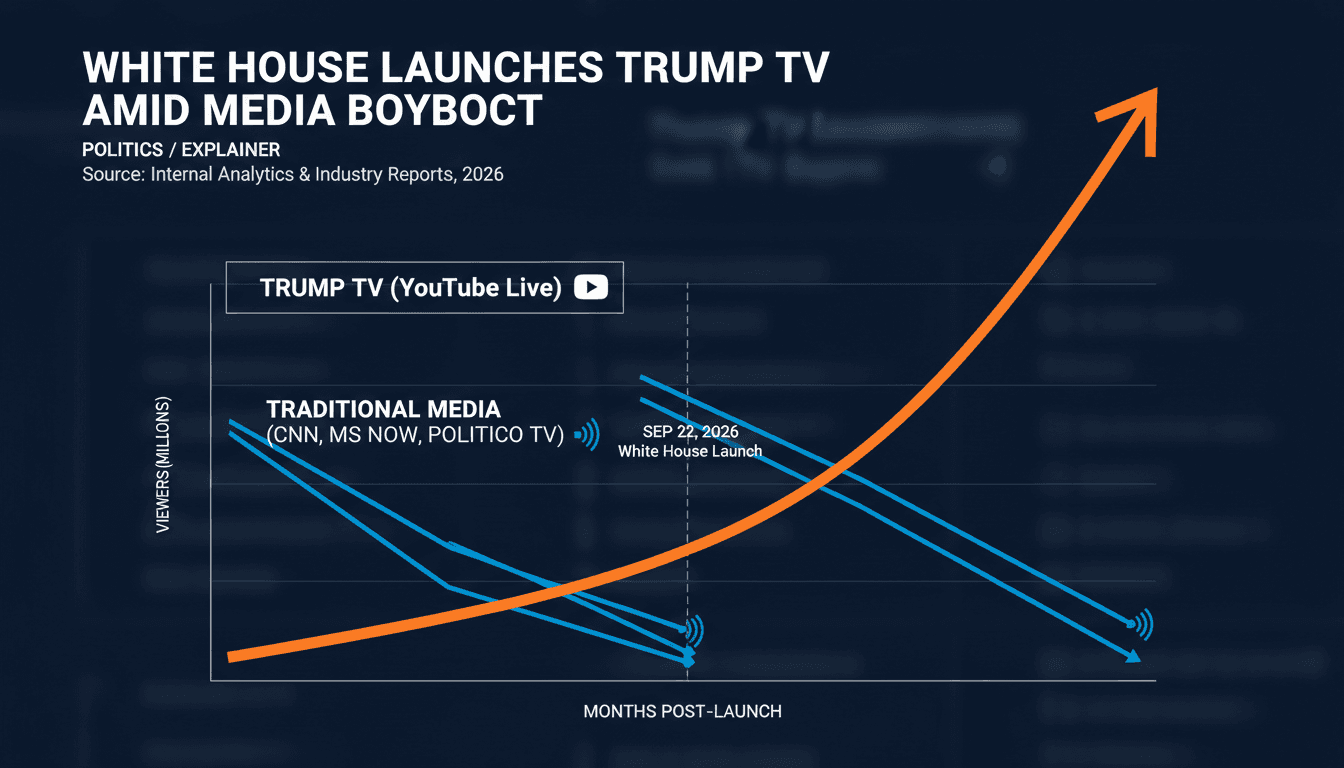
- On September 22, 2026, the White House launched a 24/7 YouTube live stream branded Trump TV.
- The initiative followed a media boycott by major U.S. networks after President Trump banned CNN, MS NOW, and Politico from White House coverage.
- The channel quickly gained over 3 million subscribers, but live viewership remained modest at around 1,500.
The context you actually need
- Tensions escalated between the Trump administration and U.S. media, leading to the ban of specific outlets from White House events.
- The major networks suspended coverage of presidential events in protest, creating a gap in traditional media access.
- Critics labeled Trump TV as state-run media, raising concerns about the implications for press freedom and public discourse.
What's really happening
The launch of Trump TV is a strategic maneuver by the Trump administration to circumvent traditional media channels that it perceives as hostile. By establishing a direct line to the public through YouTube, the administration aims to control the narrative and present its policies and messages without the filter of journalistic interpretation. This move comes in the wake of escalating tensions between the White House and major news outlets, which have been accused of spreading "fake news."
The decision to ban CNN, MS NOW, and Politico from White House coverage was a pivotal moment that triggered the media boycott. In response, the administration sought to fill the void left by traditional media by providing unedited content directly to viewers. The channel features past speeches, administration events, and archival footage, allowing the White House to showcase its achievements and messages without external commentary.
Despite the initial surge in subscribers—over 3 million—the live viewership numbers suggest that while the channel has garnered attention, it may not be resonating with a broad audience. The modest live viewership of around 1,500 indicates that many subscribers may not be actively engaging with the content. This discrepancy raises questions about the effectiveness of such a platform in genuinely influencing public opinion.
Critics, including California Governor Gavin Newsom, have condemned the channel as a form of state-run media, which could have implications for the future of press freedom in the U.S. The ongoing lawsuits by the banned media organizations further complicate the landscape, as they challenge the legality of the administration's actions and the implications for access to information.
The structural implications of this move are significant. It signals a potential shift in how political communication is conducted, with governments increasingly leveraging digital platforms to bypass traditional media. This trend could lead to a more fragmented media landscape, where the lines between state-sponsored content and independent journalism become blurred. As political figures adopt similar strategies, the role of traditional media may continue to diminish, raising concerns about accountability and the diversity of viewpoints available to the public.
Who feels it first (and how)
- Media organizations: Facing challenges to their traditional role and potential loss of access to key events.
- Political analysts and commentators: Adjusting to a new landscape where direct communication from officials may overshadow their interpretations.
- General public: Experiencing a shift in how political information is consumed, with potential impacts on understanding and engagement.
What to watch next
- Legal outcomes of lawsuits: The results of ongoing lawsuits by banned media organizations could set precedents for press access and government transparency.
- Viewership trends on Trump TV: Monitoring subscriber engagement and live viewership numbers will provide insights into the channel's effectiveness and public reception.
- Responses from other political figures: Observing whether other politicians adopt similar strategies could indicate a broader shift in political communication.
Trump TV has launched and gained over 3 million subscribers.
The ongoing legal disputes will continue to shape the media landscape and press access.
The long-term impact of this initiative on public trust in media and political communication remains to be seen.
Frequently Asked Questions
- Why it matters?
- This initiative reflects a growing trend of direct communication from political figures, potentially diminishing the role of traditional media.
- What happened (in 30 seconds)?
- On September 22, 2026, the White House launched a 24/7 YouTube live stream branded Trump TV. The initiative followed a media boycott by major U.S. networks after President Trump banned CNN, MS NOW, and Politico from White House coverage. The channel quickly gained over 3 million subscribers, but live viewership remained modest at around 1,500.
- What's really happening?
- The launch of Trump TV is a strategic maneuver by the Trump administration to circumvent traditional media channels that it perceives as hostile. By establishing a direct line to the public through YouTube, the administration aims to control the narrative and present its policies and messages without the filter of journalistic interpretation. This move comes in the wake of escalating tensions between the White House and major news outlets, which have been accused of spreading "fake news." The
- Who feels it first (and how)?
- Media organizations: Facing challenges to their traditional role and potential loss of access to key events. Political analysts and commentators: Adjusting to a new landscape where direct communication from officials may overshadow their interpretations. General public: Experiencing a shift in how political information is consumed, with potential impacts on understanding and engagement.
- What to watch next?
- Legal outcomes of lawsuits: The results of ongoing lawsuits by banned media organizations could set precedents for press access and government transparency. Viewership trends on Trump TV: Monitoring subscriber engagement and live viewership numbers will provide insights into the channel's effectiveness and public reception. Responses from other political figures: Observing whether other politicians adopt similar strategies could indicate a broader shift in political communication.
Top international stories selected by The Guardian editors.
"The Guardian is known for its progressive editorial stance and in-depth analysis."
— A47 Editor
‘Literally state-run TV’: Trump launches YouTube channel amid boycott by US networks
Donald Trump has launched a new YouTube channel, dubbed Trump TV, following a ban on several media outlets, including CNN, MS Now, and Politico, from covering the White House. This channel aims to provide a continuous stream of content featuring high...
Business, investment, entrepreneurship, leadership, and innovation.
"Forbes is known for its coverage of business leaders, market trends, and entrepreneurial ventures with a pro-business editorial stance."
— A47 Editor
White House Launches 'Trump TV' After President's Press Ban
Former President Donald Trump has announced a ban on journalists from CNN, MS NOW, and Politico from accessing the White House, citing their reporting as 'fake news.' This decision, made over the weekend, has led to immediate repercussions, including...
Arabic-language coverage of international news and geopolitics.
"RT Arabic is a Russian state-funded outlet often criticized for promoting Kremlin-aligned narratives."
— A47 Editor
البيت الأبيض يطلق "تلفزيون ترامب" ردا على مقاطعة وسائل الإعلام الأمريكية للرئيس
The White House is set to launch 'Trump TV' in response to several prominent American media outlets announcing their boycott of the Trump administration. This initiative reflects a growing tension between the administration and the media, highlightin...