
U.S. Considers Diesel Export Restrictions Amid Soaring Prices
Why it matters
The potential restrictions on diesel exports could disrupt global fuel markets and affect prices domestically and internationally.
What happened (in 30 seconds)
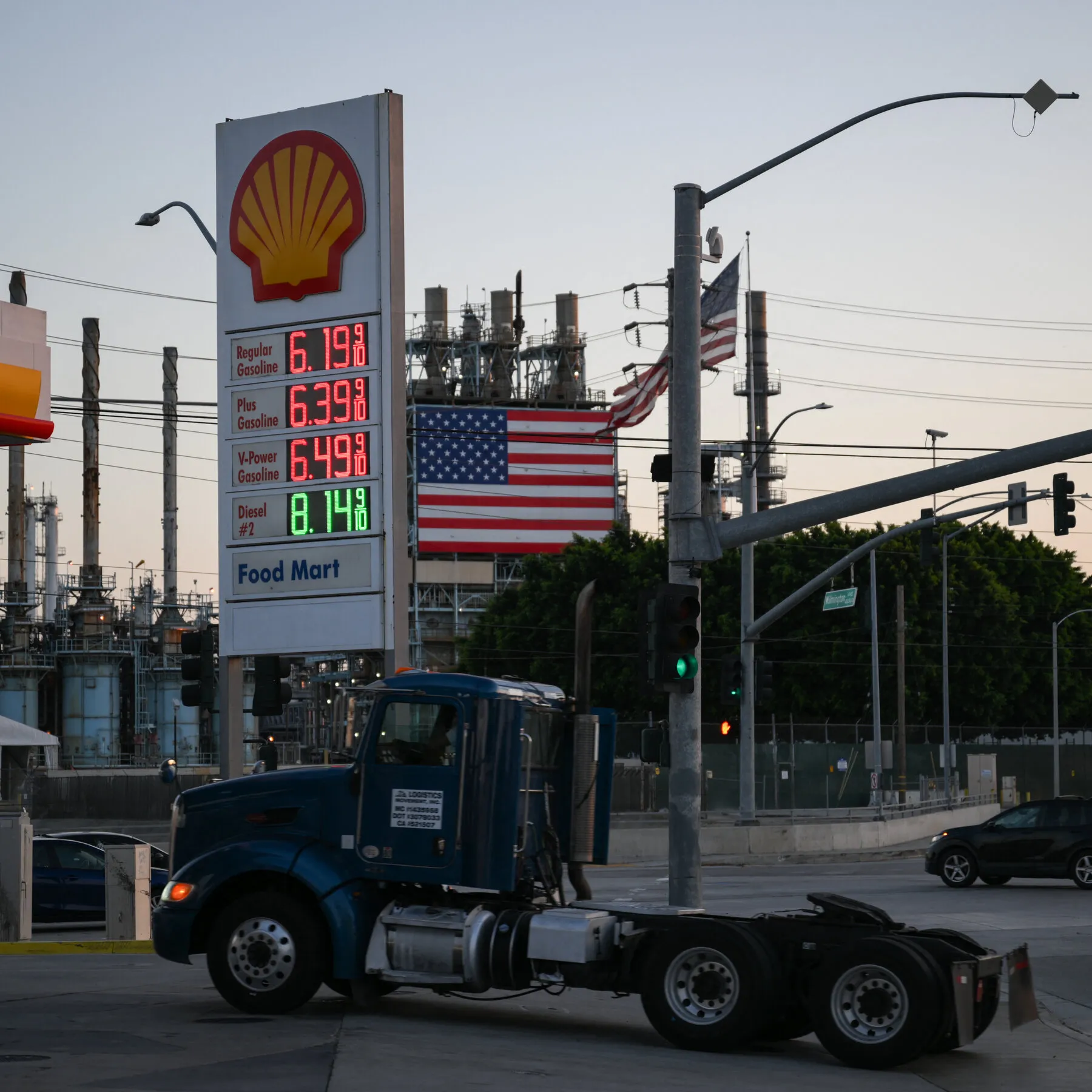
- President Trump considered a 90-day ban on diesel exports amid rising domestic prices exceeding $6.50 per gallon.
- Energy Secretary Chris Wright clarified that the administration favors voluntary measures rather than a blanket ban.
- Political pressure is mounting ahead of the midterm elections, with mixed reactions from industry and lawmakers.
The context you actually need
- Diesel prices have surged due to geopolitical tensions, particularly the U.S.-Iran conflict and Ukrainian attacks on Russian refineries.
- U.S. inventories of diesel are below seasonal averages, prompting concerns about supply and pricing.
- Historical precedents include past export restrictions during supply shocks, indicating a pattern of political responses to energy crises.
What's really happening
As diesel prices in the U.S. reached an average of $6.52 per gallon in mid-September 2026, the Trump administration faced increasing pressure to address the situation. The proposed 90-day export ban emerged as a potential solution, aimed at stabilizing domestic prices ahead of the November midterm elections. However, the White House quickly denied plans for a blanket ban, emphasizing a preference for voluntary cooperation from the refining industry to boost domestic supply.
Energy Secretary Chris Wright's statements reflect a nuanced approach: while the administration acknowledges the need to address high prices, it also recognizes the risks associated with restricting exports. U.S. refineries currently produce a surplus of diesel, which is crucial for both domestic consumption and international markets. Experts warn that imposing export restrictions could inadvertently lead to reduced overall output, as refineries may cut back on production to adjust to new market dynamics.
The geopolitical backdrop is significant. The escalation of conflict with Iran and ongoing Ukrainian strikes on Russian refineries have disrupted global fuel supplies, contributing to the sharp rise in diesel prices. As U.S. inventories fall below seasonal averages, the political stakes increase, with lawmakers from farm states advocating for restrictions to protect local consumers and businesses.
However, the implications of such a policy are complex. Industry groups have raised concerns about potential refinery cutbacks and the cascading effects on gasoline and jet fuel production. The political landscape is divided, with some Republicans supporting restrictions while energy officials caution against market distortions that could arise from such measures.
In summary, while the administration's discussions around diesel export restrictions are framed as a response to high prices, the potential consequences could ripple through the energy market, affecting supply chains and consumer costs both domestically and abroad.
Who feels it first (and how)
- Logistics companies: Higher diesel prices could increase transportation costs.
- Farmers: Dependence on diesel for machinery means they may face rising operational expenses.
- Consumers: Increased costs could trickle down to goods and services reliant on diesel transportation.
- Refining industry: Potential cutbacks in production could impact jobs and investment in the sector.
What to watch next
- Market reactions: Monitor diesel futures prices for signs of volatility as policy discussions unfold.
- Political developments: Watch for statements from key lawmakers and industry leaders regarding the proposed restrictions.
- Supply chain adjustments: Observe how global diesel trade flows change in response to U.S. policy shifts.
Diesel prices are currently high, averaging $6.52 per gallon.
Political pressure will continue to influence energy policy discussions ahead of the midterms.
The long-term effects of any export restrictions on overall fuel supply and pricing remain uncertain.
Frequently Asked Questions
- Why it matters?
- The potential restrictions on diesel exports could disrupt global fuel markets and affect prices domestically and internationally.
- What happened (in 30 seconds)?
- President Trump considered a 90-day ban on diesel exports amid rising domestic prices exceeding $6.50 per gallon. Energy Secretary Chris Wright clarified that the administration favors voluntary measures rather than a blanket ban. Political pressure is mounting ahead of the midterm elections, with mixed reactions from industry and lawmakers.
- What's really happening?
- As diesel prices in the U.S. reached an average of $6.52 per gallon in mid-September 2026, the Trump administration faced increasing pressure to address the situation. The proposed 90-day export ban emerged as a potential solution, aimed at stabilizing domestic prices ahead of the November midterm elections. However, the White House quickly denied plans for a blanket ban, emphasizing a preference for voluntary cooperation from the refining industry to boost domestic supply. Energy Secretary Chr
- Who feels it first (and how)?
- Logistics companies: Higher diesel prices could increase transportation costs. Farmers: Dependence on diesel for machinery means they may face rising operational expenses. Consumers: Increased costs could trickle down to goods and services reliant on diesel transportation. Refining industry: Potential cutbacks in production could impact jobs and investment in the sector.
- What to watch next?
- Market reactions: Monitor diesel futures prices for signs of volatility as policy discussions unfold. Political developments: Watch for statements from key lawmakers and industry leaders regarding the proposed restrictions. Supply chain adjustments: Observe how global diesel trade flows change in response to U.S. policy shifts.
Global news coverage with extensive reporting on Middle Eastern conflicts and geopolitics.
"Al Jazeera is a Qatar-based broadcaster known for wide regional coverage and alternative perspectives."
— A47 Editor
What would a US diesel export ban mean for global fuel prices?
Energy experts are warning that a proposed ban on diesel exports from the United States could lead to increased fuel costs both domestically and internationally. This move is being considered amid rising diesel prices, which have raised concerns abou...
Comprehensive coverage of Middle Eastern and global issues.
"Al Jazeera is a prominent voice from the Global South, especially the Middle East, with an emphasis on underreported stories."
— A47 Editor
What would a US diesel export ban mean for global fuel prices?
Energy experts are warning that a proposed ban on diesel exports from the United States could lead to increased fuel costs both domestically and internationally. This move is being considered amid rising diesel prices, which have raised concerns abou...
Markets, economy, and company analysis from NYT’s business desk.
"The New York Times is a globally recognized newspaper offering authoritative reporting with a center-left editorial stance."
— A47 Editor
Why a U.S. Diesel Export Ban May Not Lower Prices
President Trump is considering a temporary ban on U.S. diesel exports to address soaring domestic prices, which have surged above $6.50 per gallon due to the ongoing conflict in Iran. Experts warn that such a ban may lead to unintended consequences, ...
Business, investment, entrepreneurship, leadership, and innovation.
"Forbes is known for its coverage of business leaders, market trends, and entrepreneurial ventures with a pro-business editorial stance."
— A47 Editor
Diesel Export Ban Risks Higher Prices, Undercuts Energy Agenda
President Trump is considering a temporary ban on diesel exports as prices in the U.S. have surged to record highs, exceeding $6.50 per gallon. This proposal is driven by pressure from Republican lawmakers seeking to alleviate the financial burden on...
24/7 international news from a French perspective in multiple languages.
"France 24 is viewed as a globally focused outlet with balanced coverage and a European perspective."
— A47 Editor
Trump sparks debate over diesel export ban
The Trump administration's proposal to potentially ban or limit diesel exports has ignited significant backlash from the American oil industry, as rising energy prices become a pressing issue ahead of the midterm elections in November. Critics argue ...
Global business, markets, and technology policy/industry coverage.
"France 24 provides balanced international coverage with a European perspective."
— A47 Editor
Trump sparks debate over diesel export ban
The Trump administration's proposal to potentially ban or limit diesel exports has ignited significant controversy within the American oil industry, as rising diesel prices have reached an average of $6 per gallon. This move is seen as a response to ...
Corporate leadership, finance, technology, and market trends.
"Fortune covers financial trends, leadership, and innovation with a pragmatic editorial approach."
— A47 Editor
Why Trump banning diesel exports would upset the U.S. oil sector and upend global fuel markets — ‘the cure would be far worse than the disease’
President Trump is considering a temporary ban on diesel exports as fuel prices in the U.S. have surged to record highs, exceeding $6.50 per gallon. This potential ban is being discussed amid pressure from Republican lawmakers who are advocating for ...
Editor-curated FT homepage stories spanning markets, business, world, and opinion.
"The Financial Times is a globally respected business publication with a centrist/center-left tone and strong markets focus."
— A47 Editor
European diesel prices climb over prospect of US export ban
European diesel prices have surged due to the potential for a U.S. export ban, which analysts warn could have catastrophic effects on global supplies. The prospect of Washington suspending foreign sales has raised concerns among market participants a...