
UK Establishes No. III Space Effects Squadron for Satellite Defense
Why it matters
The establishment of the No. III Space Effects Squadron underscores the increasing militarization of space and its implications for global satellite operations.
What happened (in 30 seconds)
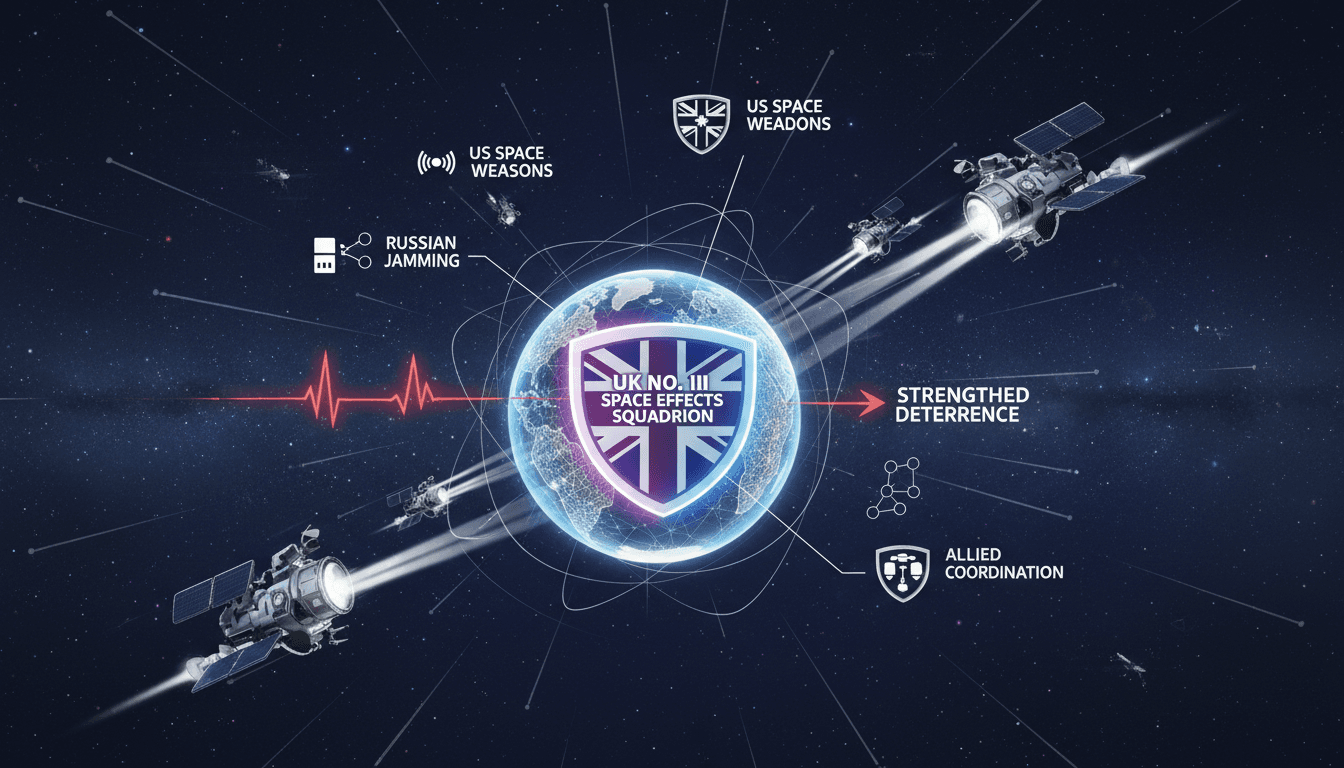
- The UK launched the No. III Space Effects Squadron on 23 September 2026 to defend satellites from orbital threats.
- This new unit will utilize electronic warfare and advanced technologies to counter adversarial actions in space.
- The move responds to heightened geopolitical tensions, including Russian satellite jamming and US space weapon deployments.
The context you actually need
- Space is increasingly contested, with nations like Russia and China actively developing capabilities that threaten satellite operations.
- The UK’s new Space Strategy emphasizes the need for robust defense mechanisms to protect vital satellite functions, including communications and navigation.
- Funding of £880 million has been allocated for space-based intelligence and reconnaissance, enhancing the UK's overall space defense posture.
What's really happening
On 23 September 2026, the UK unveiled the No. III Space Effects Squadron at the UK Space Power Conference in London. This new Royal Air Force unit marks a significant shift in how the UK approaches space defense, transitioning from passive monitoring to active engagement against threats in orbit. The squadron's capabilities will include electronic warfare, which aims to disrupt and degrade adversarial actions targeting UK satellites.
The establishment of this squadron is a direct response to escalating geopolitical tensions in space. Reports indicate that Russian forces have been jamming UK military satellites, while the US has confirmed the deployment of weapons in space. These developments have prompted the UK to bolster its defenses, ensuring that its satellites—critical for missile warning, communications, navigation, and daily services—remain operational and secure.
The UK government has framed this initiative within a broader Space Strategy, which emphasizes deterrence and operational advantage while adhering to responsible norms in space. Notably, officials have committed to avoiding destructive anti-satellite testing, focusing instead on integrating advanced technologies and personnel across the armed forces. This approach reflects a growing recognition of space as a contested domain, necessitating a coordinated response among allies.
The No. III Space Effects Squadron will not operate in isolation; it builds on the capabilities of existing units, such as the No. I Space Operations Squadron and the No. II Space Warning Squadron. This integration is crucial for creating a comprehensive defense strategy that can adapt to emerging threats. The squadron is expected to expand its capabilities as new technologies develop, ensuring that the UK remains at the forefront of space defense.
As the UK enhances its space defense capabilities, it also seeks to foster international cooperation and norm-building through UN channels. This is particularly important given the global implications of space militarization, which could affect satellite operations worldwide. The UK’s proactive stance aims to maintain freedom of operation in space, which is vital for both national security and global stability.
Who feels it first (and how)
- Satellite operators: Increased security measures may lead to more stable operations and reduced risk of service disruptions.
- Telecommunications companies: Enhanced satellite defense can ensure uninterrupted services, crucial for business operations.
- Government agencies: Agencies relying on satellite data for defense and intelligence will benefit from improved security measures.
What to watch next
- International responses: Monitor how other nations, particularly Russia and China, react to the UK's new capabilities and whether they escalate their own space militarization efforts.
- Technological advancements: Keep an eye on emerging technologies that the No. III Space Effects Squadron may adopt, which could redefine space defense strategies.
- Allied coordination: Watch for developments in international collaborations aimed at establishing norms and protocols for responsible behavior in space.
The UK has established the No. III Space Effects Squadron to enhance satellite defense.
Other nations may respond by increasing their own space defense capabilities or engaging in diplomatic efforts to mitigate tensions.
The long-term impact of these developments on global satellite operations and international relations in space remains to be seen.
Frequently Asked Questions
- Why it matters?
- The establishment of the No. III Space Effects Squadron underscores the increasing militarization of space and its implications for global satellite operations.
- What happened (in 30 seconds)?
- The UK launched the No. III Space Effects Squadron on 23 September 2026 to defend satellites from orbital threats. This new unit will utilize electronic warfare and advanced technologies to counter adversarial actions in space. The move responds to heightened geopolitical tensions, including Russian satellite jamming and US space weapon deployments.
- What's really happening?
- On 23 September 2026, the UK unveiled the No. III Space Effects Squadron at the UK Space Power Conference in London. This new Royal Air Force unit marks a significant shift in how the UK approaches space defense, transitioning from passive monitoring to active engagement against threats in orbit. The squadron's capabilities will include electronic warfare, which aims to disrupt and degrade adversarial actions targeting UK satellites. The establishment of this squadron is a direct response to es
- Who feels it first (and how)?
- Satellite operators: Increased security measures may lead to more stable operations and reduced risk of service disruptions. Telecommunications companies: Enhanced satellite defense can ensure uninterrupted services, crucial for business operations. Government agencies: Agencies relying on satellite data for defense and intelligence will benefit from improved security measures.
- What to watch next?
- International responses: Monitor how other nations, particularly Russia and China, react to the UK's new capabilities and whether they escalate their own space militarization efforts. Technological advancements: Keep an eye on emerging technologies that the No. III Space Effects Squadron may adopt, which could redefine space defense strategies. Allied coordination: Watch for developments in international collaborations aimed at establishing norms and protocols for responsible behavior in space.
Reports on science policy, discoveries, and public debate in the scientific realm.
"The Guardian’s science section is known for thoughtful and critical reporting on global research, ethics, and public understanding of science."
— A47 Editor
UK to launch military squadron to protect satellites in space
The UK is set to launch a new military unit, the No III Space Effects Squadron, aimed at defending satellites and supporting both offensive and defensive operations in space. This announcement, made by Defence Secretary Wes Streeting, highlights the ...
UAE-based English-language newspaper covering regional politics, economics, and global affairs.
"The National reflects Emirati policy perspectives while maintaining international editorial standards."
— A47 Editor
UK launches its first 'space squadron' to counter hostile threats
The United Kingdom has launched its first 'space squadron' aimed at countering hostile threats, marking a significant step in enhancing its national security capabilities. This initiative reflects the UK's commitment to addressing emerging security c...
Tech industry news, innovation, gadgets, and startups from a UK broadcaster.
"Sky News is often seen as a center-right outlet in the UK, known for its rolling coverage and breaking stories."
— A47 Editor
UK space squadron to guard against 'unprecedented threats'
The UK is establishing its first space squadron aimed at protecting vital satellites and identifying potential missile threats, reflecting the growing competition among global superpowers for control in outer space.