
Saudi and Yemeni Military Leaders Enhance Coordination in Riyadh
Why it matters
This meeting underscores the ongoing Saudi commitment to countering Houthi influence, which has implications for regional security and international trade.
What happened (in 30 seconds)
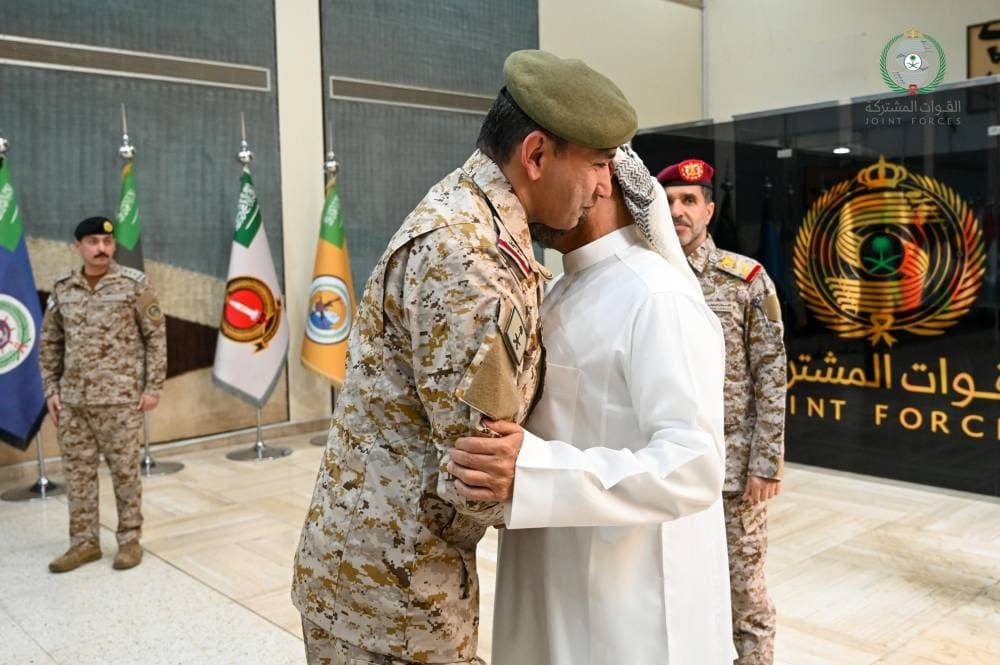
- High-level meeting: On September 26, 2026, Saudi Joint Forces Commander Lt. Gen. Fahd bin Hamad Al-Salman met with Yemeni military leader Lt. Gen. Tariq Saleh in Riyadh.
- Focus on unity: Discussions centered on enhancing military coordination and unifying Yemeni forces against Houthi threats.
- Strategic implications: The meeting reflects a sustained partnership aimed at addressing broader geopolitical risks in the region.
The context you actually need
- Ongoing conflict: The Yemeni conflict involves a Saudi-led coalition supporting the internationally recognized government against Iran-backed Houthi forces.
- Military restructuring: Efforts to unify Yemeni military factions have intensified, including the formation of a Supreme Military Committee.
- Geopolitical stakes: Houthi control of coastal areas poses threats to maritime routes, particularly the strategic Bab al-Mandab Strait.
What's really happening
The September 26 meeting between Saudi and Yemeni military leaders is a critical step in a broader strategy to enhance military effectiveness against the Houthi forces. The Saudi-led coalition has been actively supporting the Yemeni government since the conflict escalated in 2015, and this latest meeting signifies a renewed commitment to bolster the Yemeni armed forces' readiness across various fronts.
The discussions highlighted the importance of a unified command structure, which is essential for improving combat efficiency and morale among Yemeni troops. The emphasis on transcending tactical setbacks indicates a shift towards long-term strategic objectives, focusing on the need for national unity under a single military banner. This is particularly crucial as the conflict has seen various factions within Yemen, often with differing agendas, complicating the fight against the Houthis.
Moreover, the meeting reflects the broader geopolitical landscape, where the Houthi forces, backed by Iran, pose a significant threat not only to Yemen but also to regional stability. Their control over key coastal areas and threats to maritime routes, including Bab al-Mandab, have raised alarms about the potential for increased tensions that could disrupt international shipping and energy markets.
The Saudi commitment to providing materiel and weapons to Yemeni forces is a clear indication of their strategy to maintain influence in the region while countering Iranian expansionism. This military coordination is not just about immediate tactical advantages; it is also about establishing a long-term framework for security in the Arabian Peninsula.
As the situation evolves, the implications of this meeting will resonate beyond military circles, potentially affecting economic conditions and trade routes that are vital for global commerce. The interconnectedness of regional security and international trade means that developments in Yemen will likely have ripple effects across various sectors.
Who feels it first (and how)
- Military personnel: Yemeni armed forces will experience immediate changes in support and coordination efforts.
- Shipping and logistics sectors: Companies relying on maritime routes through the Red Sea may face increased scrutiny and potential disruptions.
- Regional governments: Neighboring countries may adjust their security policies in response to the evolving military landscape in Yemen.
What to watch next
- Military developments: Monitor any changes in Houthi activities or responses to Saudi-Yemeni military coordination, as these could escalate tensions.
- Economic impacts: Watch for fluctuations in shipping costs and energy prices linked to security developments in the Red Sea and Bab al-Mandab.
- International responses: Observe how global powers, particularly the U.S. and European nations, react to the evolving situation and their potential involvement in peace efforts.
The meeting took place and involved high-level military discussions focused on unifying Yemeni forces.
Increased military support from Saudi Arabia to Yemen will continue, impacting regional security dynamics.
The long-term effectiveness of these military strategies in achieving a stable resolution to the Yemeni conflict remains uncertain.
Frequently Asked Questions
- Why it matters?
- This meeting underscores the ongoing Saudi commitment to countering Houthi influence, which has implications for regional security and international trade.
- What happened (in 30 seconds)?
- High-level meeting: On September 26, 2026, Saudi Joint Forces Commander Lt. Gen. Fahd bin Hamad Al-Salman met with Yemeni military leader Lt. Gen. Tariq Saleh in Riyadh. Focus on unity: Discussions centered on enhancing military coordination and unifying Yemeni forces against Houthi threats. Strategic implications: The meeting reflects a sustained partnership aimed at addressing broader geopolitical risks in the region.
- What's really happening?
- The September 26 meeting between Saudi and Yemeni military leaders is a critical step in a broader strategy to enhance military effectiveness against the Houthi forces. The Saudi-led coalition has been actively supporting the Yemeni government since the conflict escalated in 2015, and this latest meeting signifies a renewed commitment to bolster the Yemeni armed forces' readiness across various fronts. The discussions highlighted the importance of a unified command structure, which is essential
- Who feels it first (and how)?
- Military personnel: Yemeni armed forces will experience immediate changes in support and coordination efforts. Shipping and logistics sectors: Companies relying on maritime routes through the Red Sea may face increased scrutiny and potential disruptions. Regional governments: Neighboring countries may adjust their security policies in response to the evolving military landscape in Yemen.
- What to watch next?
- Military developments: Monitor any changes in Houthi activities or responses to Saudi-Yemeni military coordination, as these could escalate tensions. Economic impacts: Watch for fluctuations in shipping costs and energy prices linked to security developments in the Red Sea and Bab al-Mandab. International responses: Observe how global powers, particularly the U.S. and European nations, react to the evolving situation and their potential involvement in peace efforts.
English-language reporting on Saudi politics, policy, and society.
"Saudi Gazette reflects mainstream Saudi institutional perspectives."
— A47 Editor
Saudi Joint Forces commander, Tareq Saleh discuss Yemen military readiness
In Riyadh, Saudi Joint Forces Commander Lt. Gen. Fahd Al-Salman met with Yemen’s Presidential Leadership Council member Lt. Gen. Tareq Saleh to discuss military readiness and coordination in Yemen. The meeting focused on enhancing the capabilities of...
English-language reporting focused on Saudi Arabia and regional affairs.
"Saudi Gazette provides English-language coverage that often aligns with mainstream Saudi news priorities."
— A47 Editor
Saudi Joint Forces commander, Tareq Saleh discuss Yemen military readiness
In Riyadh, Saudi Joint Forces Commander Lt. Gen. Fahd Al-Salman met with Yemen’s Presidential Leadership Council member Lt. Gen. Tareq Saleh to discuss military readiness and coordination in Yemen. The meeting focused on enhancing the capabilities of...
Arabic-language coverage of international news and geopolitics.
"RT Arabic is a Russian state-funded outlet often criticized for promoting Kremlin-aligned narratives."
— A47 Editor
السعودية.. قائد القوات المشتركة يلتقي عضو مجلس القيادة الرئاسي اليمني طارق صالح في الرياض
The Commander of the Joint Forces, Fahd bin Hamad Al-Salman, met with Tariq Saleh, a member of the Presidential Leadership Council and leader of the National Resistance in Yemen, at the Joint Forces Command headquarters in Riyadh today. This meeting ...
Arabic-language reporting focused on domestic developments in Saudi Arabia.
"Okaz is a mainstream Saudi newspaper that often reflects domestic priorities and official-facing coverage."
— A47 Editor
قائد القوات المشتركة وطارق صالح: رفع الجاهزية لاستعادة الدولة
The Commander of the Joint Forces, Lieutenant General Fahd bin Hamad Al-Suliman, met with the member of the Presidential Leadership Council and Commander of the National Resistance, Lieutenant General Tariq Saleh, in Riyadh to discuss developments in...
Coverage of political affairs and regional developments from a Saudi perspective.
"Al Watan political coverage typically follows a mainstream Saudi framing of regional and national issues."
— A47 Editor
تنسيق عسكري رفيع في الرياض لتوحيد الصف اليمني وتعزيز جاهزية الجبهات
In a significant military coordination meeting in Riyadh, Major General Fahd bin Hamad Al-Suliman received First Lieutenant Tariq Saleh, a member of the Presidential Leadership Council and leader of the National Resistance. The meeting focused on enh...
Coverage of political affairs and regional developments from a Saudi perspective.
"Al Watan political coverage typically follows a mainstream Saudi framing of regional and national issues."
— A47 Editor
قائد القوات المشتركة وطارق صالح يبحثان تعزيز جاهزية القوات اليمنية
The commander of the joint forces, Lieutenant General Fahd Al-Salman, met with Major General Tariq Saleh, a member of the Presidential Leadership Council and commander of the National Resistance Forces, to discuss the current situation in Yemen and w...