
Sudanese Armed Forces Capture Strategic Town of Sodari from Rapid Support Forces
Why it matters
The capture of Sodari by the Sudanese Armed Forces (SAF) could shift the balance of power in the region, affecting international aid and security dynamics.
What happened (in 30 seconds)
- On September 25, 2026, the Sudanese Armed Forces and allied Joint Forces captured the strategic town of Sodari in North Kordofan.
- This advance marks a significant territorial gain for the SAF against the Rapid Support Forces (RSF), impacting supply routes toward Darfur.
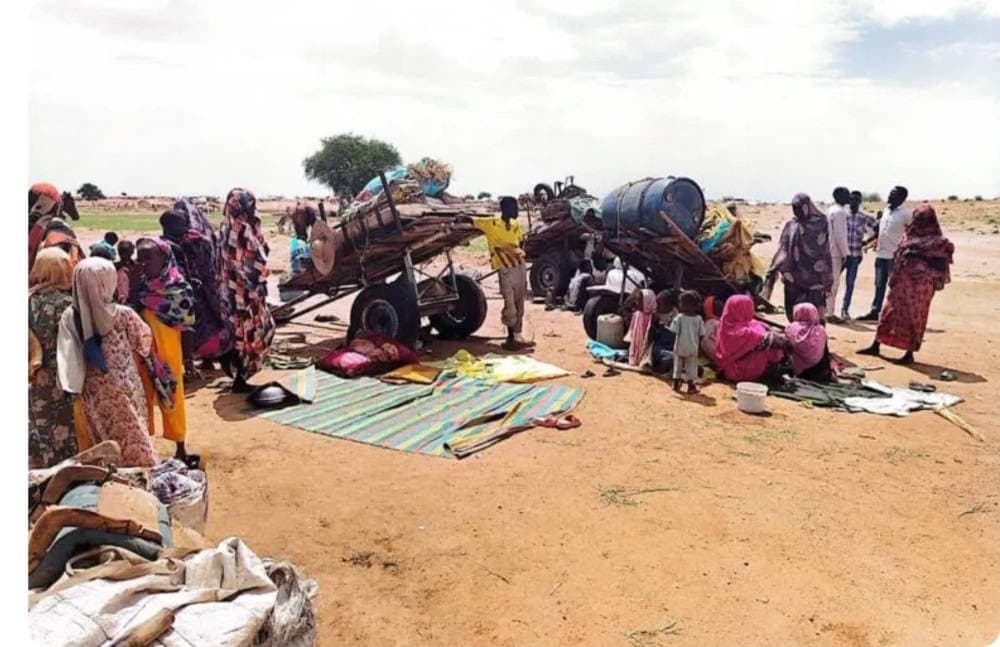
- Intensified drone warfare and ongoing displacement have been reported, with over 55,000 Sudanese fleeing to eastern Chad since the beginning of 2026.
The context you actually need
- The Sudan civil war has been ongoing since April 2023, with shifting fronts and escalating violence, particularly in Kordofan and Darfur.
- SAF's recent territorial gains aim to secure supply lines and pressure RSF logistics, reflecting a strategic military objective.
- Humanitarian needs are rising, with 33.7 million Sudanese requiring assistance in 2026, exacerbated by the conflict and displacement.
What's really happening
The recent capture of Sodari by the Sudanese Armed Forces (SAF) represents a critical juncture in the ongoing civil war that has engulfed Sudan since April 2023. The SAF, under the leadership of General Abdel Fattah al-Burhan and supported by former Darfur rebel movements, has been engaged in a fierce battle against the Rapid Support Forces (RSF). This military offensive is not merely about territorial control; it is a strategic maneuver aimed at securing vital supply routes that connect central Sudan to the conflict-ridden Darfur region.
The significance of Sodari lies in its position as a key node for movement between Kordofan and Darfur. By capturing this town, the SAF has not only expanded its territorial reach but has also enhanced its operational capabilities against the RSF. The SAF's recent advances, including the recapture of Bara and other towns, have been part of a broader strategy to disrupt RSF logistics and consolidate control over the Kordofan region. This shift in momentum is critical, as it could potentially alter the dynamics of the conflict, leading to further territorial gains for the SAF.
The ongoing drone warfare has intensified the conflict, with both sides employing aerial strikes to target infrastructure and military positions. The RSF's drone strikes on fuel facilities in Wad Madani highlight the escalating nature of the conflict, while the SAF's interception of RSF drones indicates a tactical response to these threats. The situation is further complicated by political statements from Burhan, who has rejected external mediation and reaffirmed his commitment to military operations until the RSF is defeated.
As the conflict continues, the humanitarian crisis is deepening. Over 55,000 Sudanese have fled to eastern Chad since the start of 2026, driven by the violence and instability in their home regions. Humanitarian agencies are raising alarms about the rising displacement and the urgent need for assistance, with 33.7 million Sudanese requiring aid in 2026. This escalating humanitarian need underscores the broader implications of the conflict, as regional stability hangs in the balance.
Who feels it first (and how)
- Humanitarian organizations: Increased demand for aid and resources as displacement rises.
- Local populations in Sudan: Direct impact from violence, leading to displacement and loss of livelihoods.
- Regional governments: Potential strain on resources and security as refugees cross borders into neighboring countries.
What to watch next
- Continued military operations: Monitor the SAF's next moves and any potential RSF counterattacks, as these will shape the conflict's trajectory.
- Humanitarian response efforts: Watch for international aid initiatives aimed at addressing the rising number of displaced persons and the overall humanitarian crisis.
- Political developments: Keep an eye on any shifts in leadership or external mediation efforts that could influence the conflict dynamics.
The SAF has captured Sodari, marking a significant territorial gain.
Continued military engagements and rising humanitarian needs as the conflict persists.
The potential for external intervention or mediation in the conflict.
Frequently Asked Questions
- Why it matters?
- The capture of Sodari by the Sudanese Armed Forces (SAF) could shift the balance of power in the region, affecting international aid and security dynamics.
- What happened (in 30 seconds)?
- On September 25, 2026, the Sudanese Armed Forces and allied Joint Forces captured the strategic town of Sodari in North Kordofan. This advance marks a significant territorial gain for the SAF against the Rapid Support Forces (RSF), impacting supply routes toward Darfur. Intensified drone warfare and ongoing displacement have been reported, with over 55,000 Sudanese fleeing to eastern Chad since the beginning of 2026.
- What's really happening?
- The recent capture of Sodari by the Sudanese Armed Forces (SAF) represents a critical juncture in the ongoing civil war that has engulfed Sudan since April 2023. The SAF, under the leadership of General Abdel Fattah al-Burhan and supported by former Darfur rebel movements, has been engaged in a fierce battle against the Rapid Support Forces (RSF). This military offensive is not merely about territorial control; it is a strategic maneuver aimed at securing vital supply routes that connect central
- Who feels it first (and how)?
- Humanitarian organizations: Increased demand for aid and resources as displacement rises. Local populations in Sudan: Direct impact from violence, leading to displacement and loss of livelihoods. Regional governments: Potential strain on resources and security as refugees cross borders into neighboring countries.
- What to watch next?
- Continued military operations: Monitor the SAF's next moves and any potential RSF counterattacks, as these will shape the conflict's trajectory. Humanitarian response efforts: Watch for international aid initiatives aimed at addressing the rising number of displaced persons and the overall humanitarian crisis. Political developments: Keep an eye on any shifts in leadership or external mediation efforts that could influence the conflict dynamics.
Coverage of political affairs and regional developments from a Saudi perspective.
"Al Watan political coverage typically follows a mainstream Saudi framing of regional and national issues."
— A47 Editor
كردفان تضيق على الدعم السريع
The Sudanese army and allied armed groups have made significant gains in North Kordofan, regaining control of the strategic city of Sudri after intense battles with the Rapid Support Forces. This development coincides with an escalation in drone warf...
Arabic-language coverage of political affairs and current events.
"Okaz political coverage typically follows mainstream Saudi framing on national and regional affairs."
— A47 Editor
الحرب تدفع مئات السودانيين يوميًا إلى تشاد.. والأمم المتحدة تحذر من كارثة
The ongoing conflict in Sudan has led to a significant increase in the number of Sudanese refugees crossing into Chad, with over 400 individuals per day fleeing from combat zones in Darfur, Kordofan, and Blue Nile. The UN High Commissioner for Refuge...
Arabic-language coverage of political affairs and current events.
"Okaz political coverage typically follows mainstream Saudi framing on national and regional affairs."
— A47 Editor
«الدعم السريع» يستهدف معسكراً للنازحين في كردفان.. قتيلان و20 مصاباً
Two Sudanese individuals were killed and 20 others injured in a drone attack targeting a displaced persons camp in North Kordofan, Sudan. The state authorities condemned the attack, attributing it to the Rapid Support Forces, and emphasized that such...