
US DOT Finalizes Relaxed CAFE Standards Amid Surging Fuel Prices
Why it matters
This regulatory shift impacts consumer choices, vehicle pricing, and long-term fuel costs amid a volatile energy market.
What happened (in 30 seconds)
- The US Department of Transportation finalized new fuel economy standards on September 28, 2026, resetting them to pre-Biden levels.
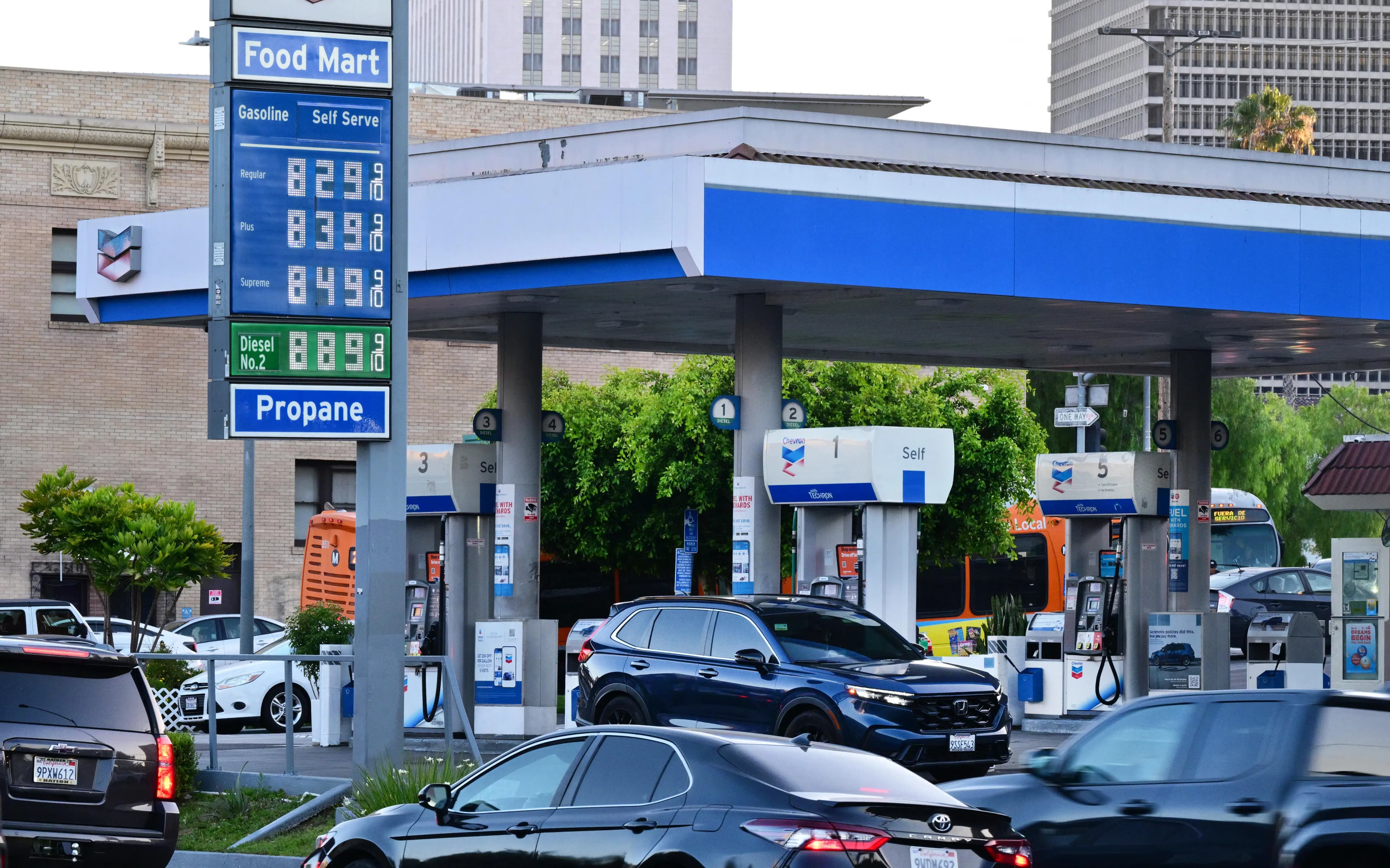
- The new rule allows automakers greater flexibility to produce less fuel-efficient vehicles in response to soaring gasoline prices averaging $4.48 per gallon.
- Critics warn of increased long-term fuel expenses and environmental impacts, while proponents argue it enhances consumer choice and reduces vehicle costs.
The context you actually need
- Previous standards aimed for approximately 50.4 mpg by 2031, established under the Biden administration to promote electric vehicle adoption and reduce emissions.
- The Trump administration's new rule sets a fleet average of 34.9 mpg by 2031, significantly lower than earlier targets, and ends CAFE credit trading after 2028.
- Rising fuel prices, driven by geopolitical instability in the Middle East, have increased average US gasoline costs by over 50%, raising affordability concerns for consumers.
What's really happening
The recent finalization of the Freedom Means Affordable Cars rule by the US Department of Transportation marks a significant regulatory shift in fuel economy standards. Under this new rule, the corporate average fuel economy (CAFE) standards are set to a fleet average of 34.9 miles per gallon (mpg) by model year 2031, a notable decrease from the ambitious targets set by the previous administration. This change is largely a response to the current economic climate, where record-high gasoline prices, averaging $4.48 per gallon, have raised concerns about consumer affordability.
The Trump administration's rationale for relaxing these standards hinges on the belief that stringent regulations were an overreach and that they could stifle consumer choice by pushing unwanted electric vehicle (EV) adoption. By allowing automakers to produce less fuel-efficient vehicles, the administration argues that it will lower vehicle costs, with projections estimating an average reduction of $1,300 per vehicle and a total of $138 billion in savings over five years. However, this flexibility comes at a cost, as critics, including environmental groups and consumer advocates, warn that it could lead to increased long-term fuel expenses and exacerbate environmental issues.
The implications of this regulatory change extend beyond the immediate market. Automakers are likely to shift their production strategies towards more affordable internal combustion vehicles, which could impact companies heavily invested in EV technologies, such as Tesla. The end of CAFE credit trading after 2028 further complicates the landscape, as it removes a financial incentive for manufacturers to produce more fuel-efficient models.
As the market adjusts to these new standards, the potential for increased consumer costs at the pump looms large, particularly as geopolitical tensions continue to disrupt oil supplies. The closure of the Strait of Hormuz, a critical chokepoint for global oil transport, has already contributed to rising fuel prices, and any further instability in the region could exacerbate these trends.
In summary, while the new CAFE standards may provide short-term relief for consumers looking for lower vehicle prices, they also set the stage for higher fuel costs and environmental challenges in the long run.
Who feels it first (and how)
- Consumers: Those purchasing new vehicles may face a wider range of less fuel-efficient options, impacting long-term fuel costs.
- Automakers: Companies will benefit from increased flexibility in production but may face backlash from environmental groups.
- Environmental groups: Organizations like the Natural Resources Defense Council will likely intensify advocacy efforts against the new standards.
- Market analysts: Analysts will monitor shifts in consumer preferences and the potential impact on EV manufacturers.
What to watch next
- Fuel price trends: Continued fluctuations in gasoline prices will indicate the effectiveness of the new standards and consumer response.
- Automaker production strategies: Watch for shifts in vehicle offerings, particularly the balance between internal combustion and electric vehicles.
- Legislative responses: Potential state-level actions or federal revisions to the rule could emerge as public sentiment evolves regarding fuel economy and environmental impacts.
The new CAFE standards are effective for model years 2022-2031.
Consumers will see a broader range of less fuel-efficient vehicles available at lower prices.
The long-term impact on fuel prices and environmental outcomes remains uncertain.
Frequently Asked Questions
- Why it matters?
- This regulatory shift impacts consumer choices, vehicle pricing, and long-term fuel costs amid a volatile energy market.
- What happened (in 30 seconds)?
- The US Department of Transportation finalized new fuel economy standards on September 28, 2026, resetting them to pre-Biden levels. The new rule allows automakers greater flexibility to produce less fuel-efficient vehicles in response to soaring gasoline prices averaging $4.48 per gallon. Critics warn of increased long-term fuel expenses and environmental impacts, while proponents argue it enhances consumer choice and reduces vehicle costs.
- What's really happening?
- The recent finalization of the Freedom Means Affordable Cars rule by the US Department of Transportation marks a significant regulatory shift in fuel economy standards. Under this new rule, the corporate average fuel economy (CAFE) standards are set to a fleet average of 34.9 miles per gallon (mpg) by model year 2031, a notable decrease from the ambitious targets set by the previous administration. This change is largely a response to the current economic climate, where record-high gasoline pric
- Who feels it first (and how)?
- Consumers: Those purchasing new vehicles may face a wider range of less fuel-efficient options, impacting long-term fuel costs. Automakers: Companies will benefit from increased flexibility in production but may face backlash from environmental groups. Environmental groups: Organizations like the Natural Resources Defense Council will likely intensify advocacy efforts against the new standards. Market analysts: Analysts will monitor shifts in consumer preferences and the potential impact o
- What to watch next?
- Fuel price trends: Continued fluctuations in gasoline prices will indicate the effectiveness of the new standards and consumer response. Automaker production strategies: Watch for shifts in vehicle offerings, particularly the balance between internal combustion and electric vehicles. Legislative responses: Potential state-level actions or federal revisions to the rule could emerge as public sentiment evolves regarding fuel economy and environmental impacts.
Latest tech news, product reviews, and analysis for consumers and professionals.
"CNET delivers accessible and detailed technology reporting, including trusted product reviews and how-to guides."
— A47 Editor
US Department of Transportation Makes Way for Less Efficient Cars as Fuel Prices Soar
The US Department of Transportation has finalized a rule under the Trump administration that weakens fuel efficiency standards for new vehicles, potentially saving consumers an average of $1,300 per vehicle. However, this move raises concerns as fuel...
Capitol Hill news, legislation, and policy insight.
"The Hill specializes in U.S. politics and policy, with a focus on Capitol Hill developments and a reputation for insider reporting."
— A47 Editor
Trump loosens vehicle mileage standards
The Trump administration has rolled back vehicle mileage standards that mandated automakers to enhance fuel efficiency for cars and light trucks, reversing regulations set during the Biden era. This change is part of a broader strategy to reshape env...
Tech news, reviews, and analysis of consumer electronics, science, art, and culture.
"The Verge is a technology-focused media outlet known for in-depth reporting, product reviews, and coverage of the intersection between technology and culture."
— A47 Editor
Trump finalizes rule to make cars less fuel efficient
The US Department of Transportation has finalized a rule that weakens fuel efficiency standards, marking a significant deregulatory action under the Trump Administration. This decision effectively dismantles Biden-era standards that aimed for an aver...
Consumer tech and culture with frequent AI coverage.
"Influential tech outlet covering AI products and policy."
— A47 Editor
Trump finalizes rule to make cars less fuel efficient
The US Department of Transportation has finalized a rule that weakens fuel efficiency standards, marking a significant deregulatory action under the Trump Administration. This decision effectively dismantles Biden-era standards that aimed for an aver...
Scientific research, space, environment, and health coverage.
"The New York Times is a globally recognized newspaper offering authoritative reporting with a center-left editorial stance."
— A47 Editor
Trump Sharply Scales Back Fuel Economy Rules for New Cars
Former President Donald Trump has significantly reduced fuel economy standards for new cars, marking a pivotal moment in his administration's efforts to reverse policies designed to accelerate the transition to electric vehicles. Analysts suggest tha...
U.S. business news, corporate developments, and economy.
"The Wall Street Journal is respected for deep financial and economic reporting with a center-right editorial perspective."
— A47 Editor
Trump Administration Ends Tougher Fuel-Economy Rules
The Trump Administration has announced the termination of stricter fuel-economy regulations, reducing the required average fuel efficiency from 50.4 miles per gallon to 34.5 miles per gallon by the model year 2031. This decision has been reported by ...
Major U.S. developments and regional news.
"ABC News delivers broad national coverage with a mainstream editorial stance, focusing on accessibility and balanced reporting."
— A47 Editor
Trump administration set to roll out lower fuel economy standards for cars, light trucks
The Trump administration is set to announce new fuel economy standards that will relax existing regulatory requirements for automakers regarding pollution control from gasoline-powered cars and light trucks. This decision is expected to impact vehicl...
Macro commentary, policy analysis, growth/inflation themes, and global outlooks.
"Contextual macro coverage that complements day-to-day market headlines."
— A47 Editor
Trump administration set to ease Biden-era fuel economy rules
The Trump administration is set to ease fuel economy rules established during the Biden administration, signaling a shift in regulatory policy that may impact vehicle emissions standards. This move is part of a broader deregulatory initiative aimed a...