
UK Prime Minister Considers Ending Triple Lock Pension to Fund National Care Service
Why it matters
The potential reform of the triple lock pension system could reshape welfare funding and care services in the UK.
What happened (in 30 seconds)
- Prime Minister Andy Burnham signaled a possible reconsideration of the triple lock pension policy after 2029 to fund a new national care service.
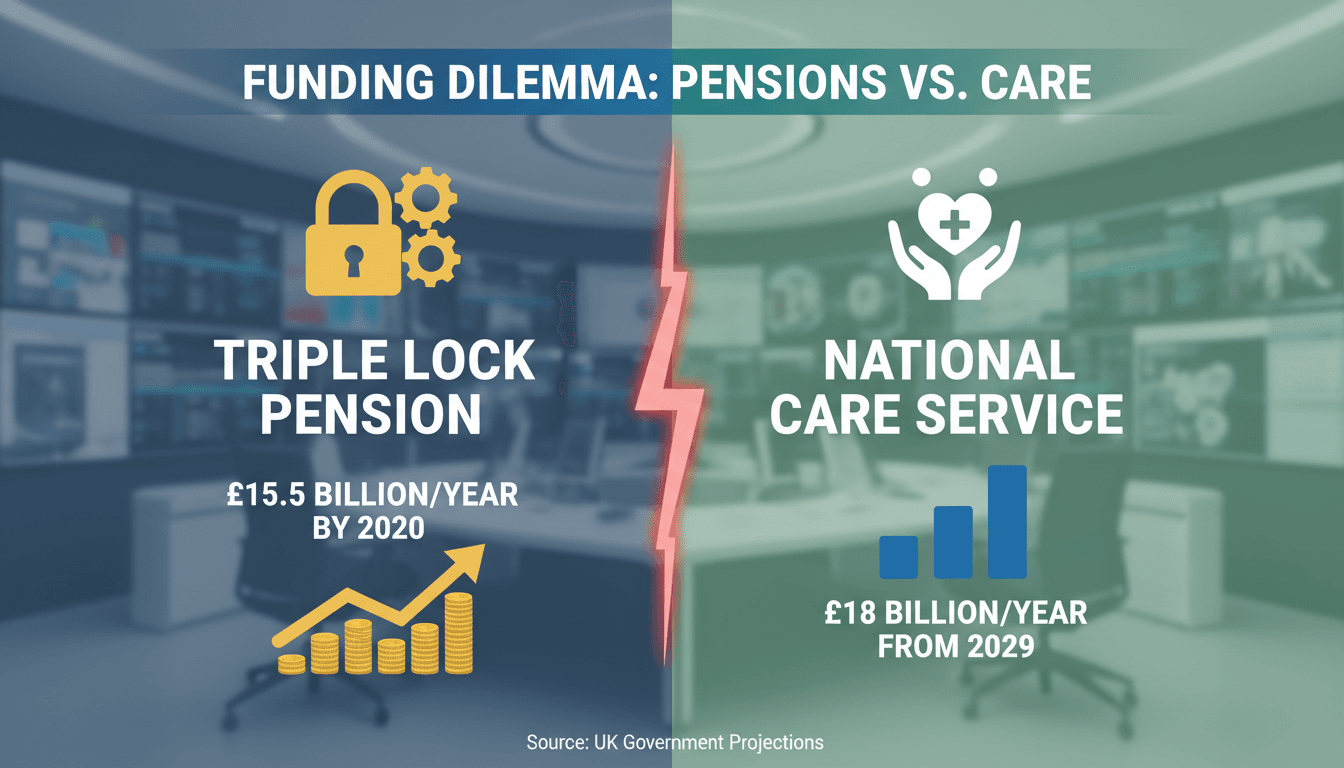
- The triple lock guarantees pension increases by the highest of 2.5%, earnings growth, or inflation, costing an estimated £15.5 billion annually by 2030.
- Labour's 2024 manifesto committed to retaining the triple lock until the end of the current Parliament, despite rising welfare costs.
The context you actually need
- The triple lock was introduced in 2010 to protect pensioner incomes, but its costs have surged from £74 billion to £154 billion annually.
- Economic volatility has driven the triple lock's costs to three times initial projections, raising concerns about long-term affordability.
- Labour's leadership under Keir Starmer has maintained the triple lock, but Burnham's recent comments suggest a shift in funding priorities for social care.
What's really happening
The UK government is grappling with the financial sustainability of its welfare programs, particularly the state pension system. The triple lock pension policy, designed to ensure that pensioners receive a fair increase each year, has become a significant fiscal burden. Currently, it guarantees annual increases based on the highest of three metrics: 2.5%, earnings growth, or inflation. This mechanism has led to a projected annual cost of £15.5 billion by 2030, a figure that has raised eyebrows among economists and policymakers alike.
Prime Minister Andy Burnham's recent comments during the Labour conference indicate a willingness to reconsider this policy as the government seeks to fund a new national care service, which is estimated to require £18 billion annually. Burnham's assertion that "nothing is off the table" for funding suggests that the government is exploring various avenues to balance the budget while addressing pressing social needs. This includes the potential reallocation of funds from the triple lock to support care services, a move that could significantly impact pensioners.
The Labour Party's 2024 manifesto had previously committed to retaining the triple lock until the end of the current Parliament in 2029. However, the rising costs of welfare and pressures from the bond market are forcing a reevaluation of this commitment. Senior figures within the party, including Chancellor John Healey and Darren Jones, have highlighted the triple lock's expense as a potential source for funding the care service. This shift reflects a broader trend in fiscal policy where governments must balance social welfare commitments with economic realities.
The implications of this potential policy shift are profound. If the triple lock is reformed or dropped after 2029, pensioners could see their income growth stagnate, leading to increased financial insecurity for many. Conversely, redirecting funds to a national care service could improve support for the elderly and those in need of care, addressing a critical gap in the current welfare system. The challenge lies in finding a sustainable balance that meets the needs of both pensioners and the broader population requiring care services.
Who feels it first (and how)
- Pensioners: Those relying on state pensions may face reduced income growth if the triple lock is reformed.
- Care service providers: Increased funding could lead to more resources for care services, impacting employment and service quality.
- Taxpayers: Changes in funding priorities may lead to shifts in tax policy to support new welfare initiatives.
What to watch next
- Future manifesto announcements: Watch for Labour's detailed plans regarding the national care service and pension policies in upcoming manifestos.
- Economic indicators: Monitor inflation and earnings growth, as these will directly influence the viability of the triple lock.
- Public sentiment: Pay attention to public opinion on welfare reforms, as this could impact political decisions leading up to the next election.
The triple lock is retained until the end of the current Parliament in 2029.
There will be discussions about reforming the triple lock to fund the national care service.
The exact nature of any reforms and their timing post-2029 remains uncertain.
Frequently Asked Questions
- Why it matters?
- The potential reform of the triple lock pension system could reshape welfare funding and care services in the UK.
- What happened (in 30 seconds)?
- Prime Minister Andy Burnham signaled a possible reconsideration of the triple lock pension policy after 2029 to fund a new national care service. The triple lock guarantees pension increases by the highest of 2.5%, earnings growth, or inflation, costing an estimated £15.5 billion annually by 2030. Labour's 2024 manifesto committed to retaining the triple lock until the end of the current Parliament, despite rising welfare costs.
- What's really happening?
- The UK government is grappling with the financial sustainability of its welfare programs, particularly the state pension system. The triple lock pension policy, designed to ensure that pensioners receive a fair increase each year, has become a significant fiscal burden. Currently, it guarantees annual increases based on the highest of three metrics: 2.5%, earnings growth, or inflation. This mechanism has led to a projected annual cost of £15.5 billion by 2030, a figure that has raised eyebrows a
- Who feels it first (and how)?
- Pensioners: Those relying on state pensions may face reduced income growth if the triple lock is reformed. Care service providers: Increased funding could lead to more resources for care services, impacting employment and service quality. Taxpayers: Changes in funding priorities may lead to shifts in tax policy to support new welfare initiatives.
- What to watch next?
- Future manifesto announcements: Watch for Labour's detailed plans regarding the national care service and pension policies in upcoming manifestos. Economic indicators: Monitor inflation and earnings growth, as these will directly influence the viability of the triple lock. Public sentiment: Pay attention to public opinion on welfare reforms, as this could impact political decisions leading up to the next election.
Corporate news, economic trends, and markets with UK and global scope.
"BBC News is widely regarded as reputable and impartial, with a public service mandate."
— A47 Editor
Why the PM could finally drop the triple lock pension pledge
Prime Minister Andy Burnham has indicated a potential shift in his stance regarding the triple lock pension pledge, as he prioritizes funding for a new national care service. This decision comes amid ongoing discussions about the financial sustainabi...
United Kingdom-focused news including local politics, business, and social issues.
"BBC News is widely regarded as a reputable international news organization, known for its impartial tone and public service mandate."
— A47 Editor
Why the PM could finally drop the triple lock pension pledge
Prime Minister Andy Burnham has indicated a potential shift in his stance regarding the triple lock pension pledge, as he prioritizes funding for a new national care service. This decision comes amid ongoing discussions about the financial sustainabi...
International coverage from The Guardian's global desks.
"The Guardian is known for its progressive editorial stance and in-depth analysis."
— A47 Editor
Andy Burnham to fight next election with plan for NHS-style care service
Prime Minister Andy Burnham has announced his intention to fight the next election with a commitment to reform the social care system in England, proposing an NHS-style service that would be free at the point of use. This pledge was made during the L...
UK and international business news, economics, and corporate coverage.
"The Guardian’s business section covers finance and markets with a progressive editorial tone."
— A47 Editor
‘I can deliver’: Burnham pledges radical change on eve of Labour conference
UK Prime Minister Andy Burnham has pledged to deliver radical change for the country, emphasizing the importance of achieving fiscal stability to address larger issues. He acknowledged the challenging public finances ahead of the upcoming budget but ...
International coverage from The Guardian's global desks.
"The Guardian is known for its progressive editorial stance and in-depth analysis."
— A47 Editor
‘I can deliver’: Burnham pledges radical change on eve of Labour conference
UK Prime Minister Andy Burnham has pledged to deliver radical change for the country, emphasizing the importance of achieving fiscal stability to address larger issues. He acknowledged the challenging public finances ahead of the upcoming budget but ...