
Trump Issues Ultimatum on Iran Conflict as Diplomacy Fails
Why it matters
The ongoing conflict and stalled diplomacy have significant implications for global oil prices and regional stability.
What happened (in 30 seconds)
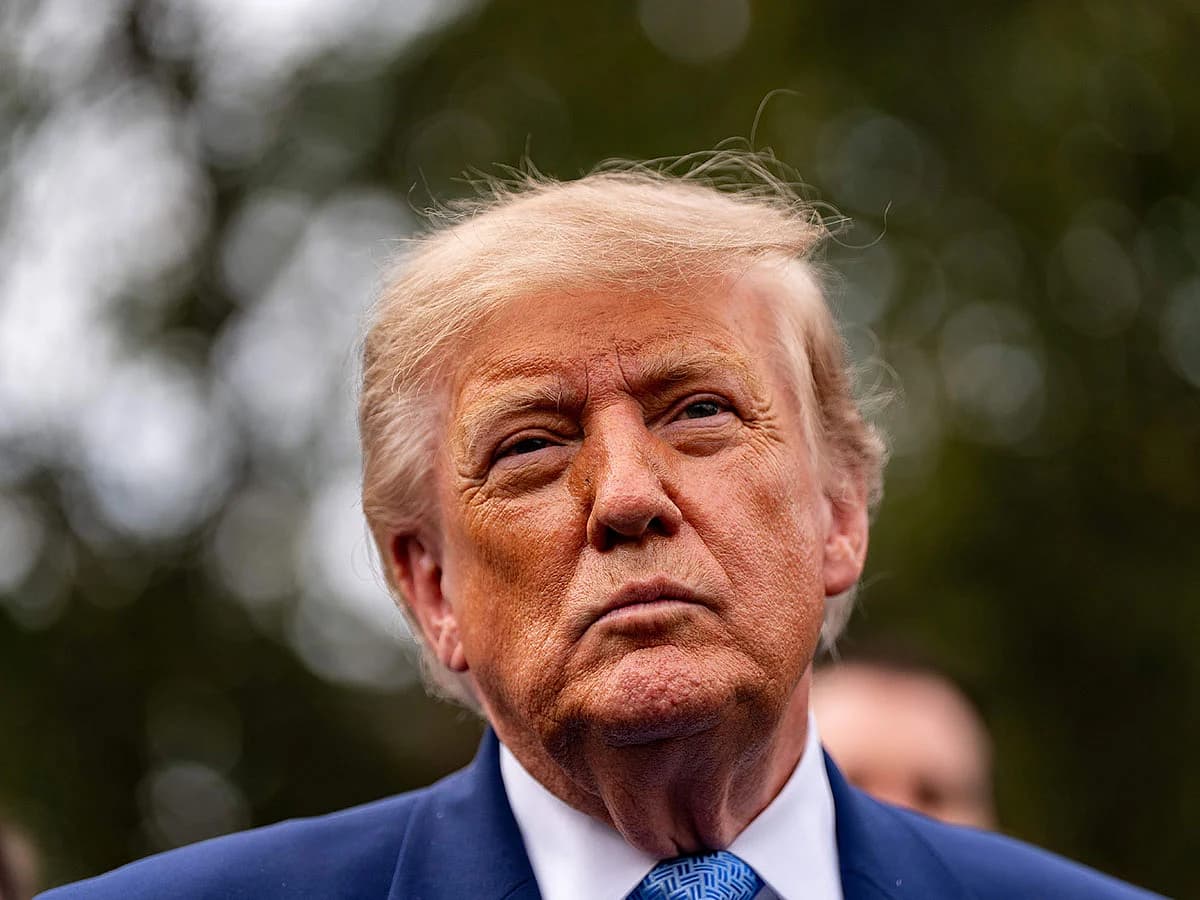
- On October 1, 2026, President Trump declared the US-Iran war would end "very soon," framing the outcome as either military escalation or a diplomatic deal.
- US Secretary of State Marco Rubio expelled the Iranian delegation after negotiations collapsed, signaling a hardline approach.
- The conflict, now in its eighth month, has seen military gains for the US, including the destruction of key Iranian military assets.
The context you actually need
- The conflict began in February 2026 following Iranian-backed attacks on US positions, leading to coordinated strikes by the US and Israel.
- Diplomatic efforts have repeatedly failed, with mediation attempts by Qatar not yielding a ceasefire.
- The situation has escalated tensions in the Strait of Hormuz, a critical chokepoint for global oil supply, affecting prices and regional security.
What's really happening
President Trump's ultimatum on the US-Iran conflict reflects a strategic pivot in US foreign policy, emphasizing a binary choice between military action and negotiation. This stark framing comes amid a backdrop of escalating military engagements and failed diplomatic overtures. The conflict, which began in February 2026, has seen Iranian-backed attacks on US forces in Iraq and Syria, prompting retaliatory strikes that have significantly degraded Iran's military capabilities.
As the US military asserts its dominance, the Iranian government faces increasing pressure both domestically and internationally. The expulsion of the Iranian delegation by Secretary of State Marco Rubio indicates a shift towards a more aggressive stance, potentially sidelining diplomatic solutions. This hardline approach is compounded by economic sanctions targeting Iranian industries, further straining the country's economy.
The implications of this conflict extend beyond military engagements; they resonate through global markets, particularly in the energy sector. With Brent crude oil prices surging to $102.30 per barrel, the conflict's impact on oil supply chains is becoming increasingly pronounced. Dubai residents, for instance, are already experiencing elevated fuel costs and reduced flight options to Tehran, highlighting the immediate effects of geopolitical tensions on everyday life.
Moreover, the ongoing conflict has prompted reactions from regional players, with Iraq's Prime Minister setting a deadline for pro-Iran factions to disarm following US troop withdrawals. This could lead to further instability in Iraq and the broader region, as pro-Iran groups may resist disarmament, potentially igniting new conflicts.
In summary, the ultimatum issued by Trump not only signals a potential escalation in military action but also underscores the fragility of diplomatic efforts in resolving the conflict. The stakes are high, with both sides facing significant consequences depending on the path they choose.
Who feels it first (and how)
- Energy Sector: Increased oil prices directly affect profitability and operational costs.
- Aviation Industry: Flight disruptions to and from Tehran impact travel plans and logistics.
- Consumers: Rising fuel costs lead to higher prices for goods and services.
- Regional Governments: Increased instability may prompt military and economic responses.
What to watch next
- Oil Price Trends: Monitor fluctuations in oil prices as they reflect the conflict's impact on supply chains and market stability.
- Diplomatic Engagements: Watch for any renewed efforts at negotiation, particularly from Qatar or other mediators, which could signal a shift in strategy.
- Military Movements: Keep an eye on US troop deployments and Iranian military responses, as these will indicate the likelihood of escalation or de-escalation.
The US-Iran conflict has escalated with military engagements and economic sanctions.
Oil prices will continue to rise amid ongoing tensions and supply risks.
The future of diplomatic negotiations and their potential to resolve the conflict remains uncertain.
Frequently Asked Questions
- Why it matters?
- The ongoing conflict and stalled diplomacy have significant implications for global oil prices and regional stability.
- What happened (in 30 seconds)?
- On October 1, 2026, President Trump declared the US-Iran war would end "very soon," framing the outcome as either military escalation or a diplomatic deal. US Secretary of State Marco Rubio expelled the Iranian delegation after negotiations collapsed, signaling a hardline approach. The conflict, now in its eighth month, has seen military gains for the US, including the destruction of key Iranian military assets.
- What's really happening?
- President Trump's ultimatum on the US-Iran conflict reflects a strategic pivot in US foreign policy, emphasizing a binary choice between military action and negotiation. This stark framing comes amid a backdrop of escalating military engagements and failed diplomatic overtures. The conflict, which began in February 2026, has seen Iranian-backed attacks on US forces in Iraq and Syria, prompting retaliatory strikes that have significantly degraded Iran's military capabilities. As the US military
- Who feels it first (and how)?
- Energy Sector: Increased oil prices directly affect profitability and operational costs. Aviation Industry: Flight disruptions to and from Tehran impact travel plans and logistics. Consumers: Rising fuel costs lead to higher prices for goods and services. Regional Governments: Increased instability may prompt military and economic responses.
- What to watch next?
- Oil Price Trends: Monitor fluctuations in oil prices as they reflect the conflict's impact on supply chains and market stability. Diplomatic Engagements: Watch for any renewed efforts at negotiation, particularly from Qatar or other mediators, which could signal a shift in strategy. Military Movements: Keep an eye on US troop deployments and Iranian military responses, as these will indicate the likelihood of escalation or de-escalation.
UAE-based newspaper covering Gulf politics, society, and international developments.
"Gulf News is one of the UAE’s most prominent English-language publications."
— A47 Editor
'We blow them up or make a deal': Trump says US war with Iran will end 'very soon'
President Donald Trump stated that the ongoing U.S. war with Iran will conclude 'very soon,' emphasizing that the resolution could come through either military action or negotiations. This declaration aligns with recent comments from Iranian official...
A curated Gulf News feed featuring major stories across news, business, opinion, and lifestyle.
"Gulf News is a major UAE newspaper whose featured stories feed reflects a broad editorial mix shaped for a Gulf audience."
— A47 Editor
'We blow them up or make a deal': Trump says US war with Iran will end 'very soon'
President Donald Trump stated that the ongoing U.S. war with Iran will conclude 'very soon,' emphasizing that the resolution could come through either military action or negotiations. This declaration aligns with recent comments from Iranian official...
Global news coverage with extensive reporting on Middle Eastern conflicts and geopolitics.
"Al Jazeera is a Qatar-based broadcaster known for wide regional coverage and alternative perspectives."
— A47 Editor
Iran war live: Trump hints US could strike Iran, warns time coming
U.S. President Donald Trump has indicated that the United States may take military action against Iran, stating that the ongoing standoff will conclude soon, either through a strike or a negotiated deal. This statement follows Trump's rejection of Ir...
Comprehensive coverage of Middle Eastern and global issues.
"Al Jazeera is a prominent voice from the Global South, especially the Middle East, with an emphasis on underreported stories."
— A47 Editor
Iran war live: Trump hints US could strike Iran, warns time coming
U.S. President Donald Trump has indicated that the United States may take military action against Iran, stating that the ongoing standoff will conclude soon, either through a strike or a negotiated deal. This statement follows Trump's rejection of Ir...
Global news coverage with extensive reporting on Middle Eastern conflicts and geopolitics.
"Al Jazeera is a Qatar-based broadcaster known for wide regional coverage and alternative perspectives."
— A47 Editor
Iran war live: Trump claims war will end ‘very soon’, gives no details
U.S. President Donald Trump has reiterated his belief that the conflict with Iran will conclude 'very soon,' emphasizing that Tehran will not acquire a nuclear weapon. This statement comes amid ongoing tensions and a backdrop of recent diplomatic eng...
Comprehensive coverage of Middle Eastern and global issues.
"Al Jazeera is a prominent voice from the Global South, especially the Middle East, with an emphasis on underreported stories."
— A47 Editor
Iran war live: Trump claims war will end ‘very soon’, gives no details
U.S. President Donald Trump has reiterated his belief that the conflict with Iran will conclude 'very soon,' emphasizing that Tehran will not acquire a nuclear weapon. This statement comes amid ongoing tensions and a backdrop of recent diplomatic eng...