
Armenia's ruling party wins parliamentary elections amid allegations of misconduct
Here's what it means for you.
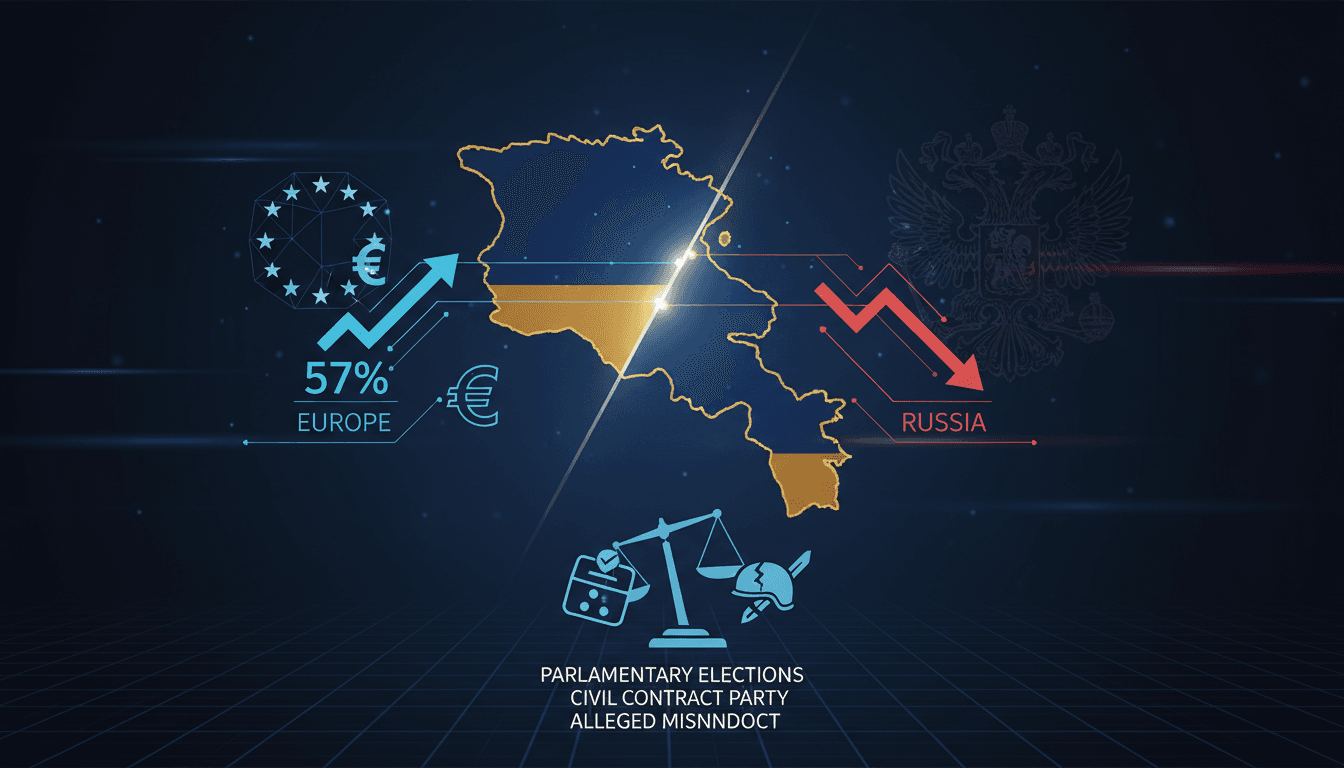
The recent parliamentary elections in Armenia signal a pivotal shift in the country's geopolitical stance, moving away from Russia and towards Europe. This transition may influence regional stability and foreign relations, particularly with Azerbaijan. Stakeholders should monitor the implications of this electoral outcome, as it could reshape Armenia's political landscape and alliances.
What happened
Armenia's ruling Civil Contract party has emerged victorious in the recent parliamentary elections, securing approximately 57% of the vote. This outcome comes amid allegations of electoral misconduct, with opposition parties claiming government pressure influenced the results. The Civil Contract party's majority reflects a significant political shift in Armenia, particularly following the country's military defeat by Azerbaijan.
The election results have prompted opposition parties, including the Armenia Alliance, to announce plans to contest the legitimacy of the vote. Despite these challenges, the ruling party's strong mandate suggests a clear direction for Armenia's future. The final results were confirmed shortly after early counts indicated the ruling party's lead.
The Context
The parliamentary elections are viewed as a referendum on Armenia's geopolitical future, especially in light of its recent military defeat by Azerbaijan. The ruling party's victory indicates a decisive pivot towards Europe, distancing Armenia from its traditional ally, Russia. This shift is significant as it reflects the changing dynamics in the region and the aspirations of the Armenian populace for closer ties with Western nations.
The backdrop of increasing tensions between Armenia and Azerbaijan adds complexity to the electoral outcome. As the opposition raises concerns about electoral violations, the political landscape in Armenia is poised for potential legal challenges and disputes. The outcome of this election may have lasting implications for Armenia's domestic politics and international relations.
Takeaway
Looking ahead, the implications of this election will likely influence Armenia's foreign policy and regional stability. Legal challenges from opposition parties regarding the election results could create further political turmoil. Additionally, the ruling party's alignment with Europe may reshape Armenia's interactions with both Russia and Western nations.
As Armenia navigates this new political landscape, stakeholders should remain vigilant about developments in its foreign relations and domestic governance. The outcome of this election could serve as a catalyst for broader changes in the region, particularly concerning Armenia's stance towards Azerbaijan and its historical ties with Russia.
Domestic Russian news, politics, and society.
"RT is widely criticized for promoting pro-Kremlin narratives and is considered by many to be a state propaganda outlet."
— A47 Editor
Opposition to challenge Armenian election results
The opposition Armenia Alliance has announced plans to contest the results of the recent parliamentary elections, which were overshadowed by allegations of government pressure and electoral violations. The elections, held on June 7, 2026, saw Prime M...
International coverage from The Guardian's global desks.
"The Guardian is known for its progressive editorial stance and in-depth analysis."
— A47 Editor
Armenia’s pro-Europe party wins election and cements shift away from Russia
Armenia's ruling pro-Europe party, the Civil Contract, has secured a slim majority in the parliamentary elections held on June 7, 2026, marking a significant shift away from Russia towards deeper integration with Europe under Prime Minister Nikol Pas...
Regional coverage and analysis focused on politics, diplomacy, and business across the Middle East.
"Al-Monitor is known for analytical reporting on Middle East politics and policy developments."
— A47 Editor
Armenia's ruling party leads parliamentary vote with 57% in early results
Early results from Armenia's parliamentary elections indicate that the ruling Civil Contract party, led by Prime Minister Nikol Pashinyan, is leading with 57.14% of the vote based on data from approximately 5% of polling stations. The pro-Russian Str...
Political, social, and economic news across Asia and the Pacific.
"France 24 is viewed as a globally focused outlet with balanced coverage and a European perspective."
— A47 Editor
Armenia's parliamentary election a vote on nation's 'geopolitical future'
Armenians participated in a parliamentary election on June 7, 2026, viewed as a critical assessment of the government's efforts to secure a peace deal following a significant military defeat by Azerbaijan three years prior. This election is seen as a...