
White House Ads Featuring Trump Spark Propaganda Controversy Ahead of Midterms
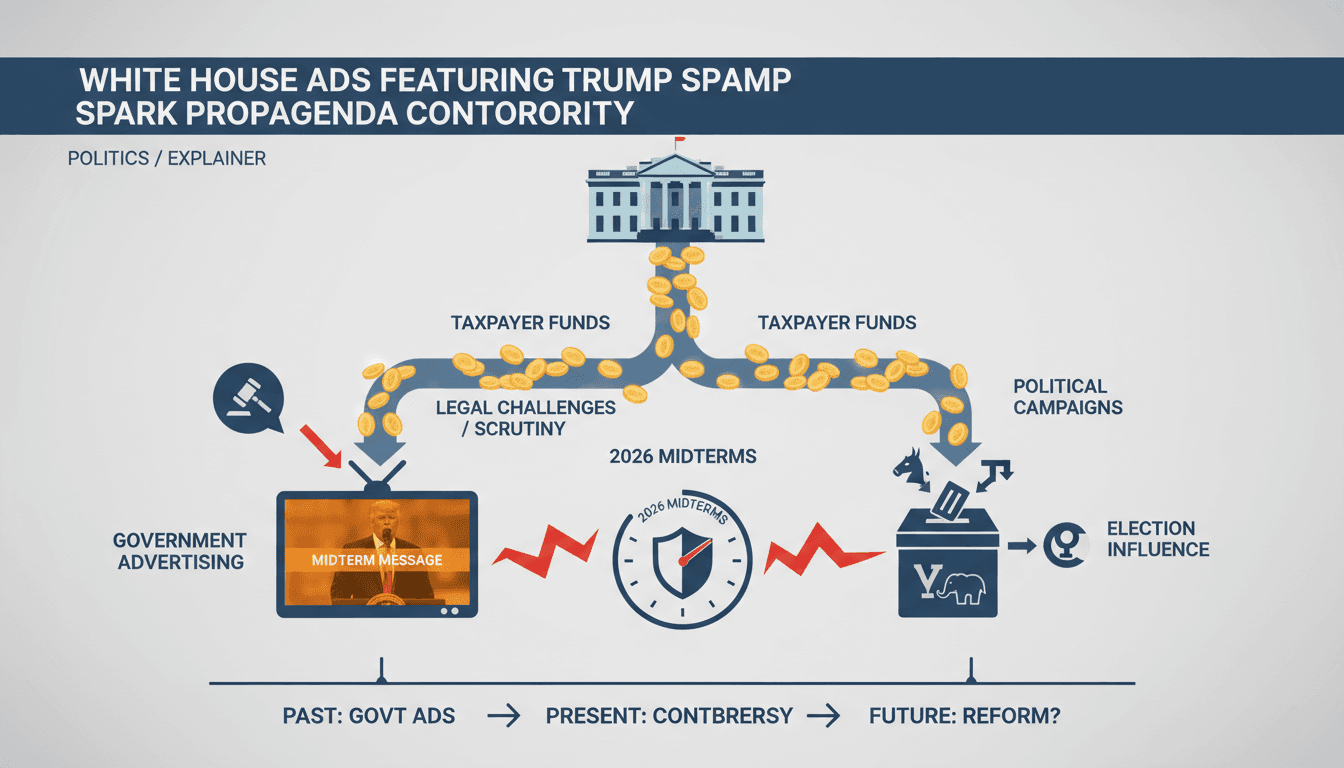
Why it matters
The use of federal funds for political advertising raises ethical questions and could set precedents for future government communications.
What happened (in 30 seconds)
- Taxpayer-funded ads featuring President Trump aired from September 23 to 29, 2026, promoting his agenda.
- Bipartisan criticism emerged, with lawmakers and legal experts labeling the ads as illegal propaganda.
- Ongoing debate surrounds the legality and appropriateness of using public funds for these advertisements, especially before the midterm elections.
The context you actually need
- Historical precedent: The Trump administration defended the ads by comparing them to past public service announcements, but critics argue the timing and content are politically motivated.
- Legal scrutiny: Experts have raised concerns about federal laws prohibiting the use of taxpayer money for propaganda, questioning the legality of the ads.
- Political climate: The ads aired in a highly polarized environment, intensifying scrutiny from both sides of the political spectrum.
What's really happening
The recent airing of taxpayer-funded advertisements featuring President Trump has ignited a firestorm of controversy, particularly as it coincides with the critical lead-up to the 2026 midterm elections. The ads, which promote Trump's agenda while denouncing ideologies like communism and socialism, have been branded as public service announcements by the White House. However, this characterization has been met with skepticism and outright condemnation from various lawmakers and legal experts.
The core issue at stake is the legality of using federal funds for what many perceive as political propaganda. Legal experts, including Samuel Bagenstos and Richard Painter, have pointed out that the content of the ads serves to glorify Trump rather than provide neutral public information. This raises significant ethical questions about the use of taxpayer dollars in a manner that could be construed as self-serving for the sitting president.
The timing of the ads is particularly contentious. With the midterm elections approaching, critics argue that the administration is leveraging public funds to gain an unfair advantage in the political arena. The Democratic lawmakers' swift response, including formal letters demanding the withdrawal of the ads, underscores the bipartisan concern regarding the potential misuse of taxpayer resources. Even some Republican voices, like Senator Thom Tillis, have expressed discomfort with the situation, indicating a rare moment of cross-party agreement on the issue.
The financial implications are also noteworthy. Reports indicate that the minimum taxpayer expenditure on one of these ads is approximately $443,000, a significant sum that raises questions about fiscal responsibility and the prioritization of government spending. As the debate continues, the potential for legal challenges looms large, with experts suggesting that the ads may violate statutes designed to prevent the use of federal funds for propaganda.
In summary, the controversy surrounding these advertisements is not merely about the content but also about the broader implications for governance, accountability, and the ethical use of taxpayer money. As the situation unfolds, it will be crucial to monitor how this issue influences public trust in government communications and the potential legal ramifications for the administration.
Who feels it first (and how)
- Taxpayers: Directly impacted by the use of their funds for political advertising.
- Political analysts: Monitoring the implications for future government communications and election integrity.
- Voters: Particularly those engaged in the upcoming midterm elections, as the ads may influence public opinion.
- Legal experts: Engaged in assessing the legality of the ads and potential repercussions for the administration.
What to watch next
- Legal challenges: Watch for any lawsuits or legal actions taken against the government regarding the ads, which could set important precedents.
- Public opinion polls: Monitor shifts in voter sentiment as a result of the ads, especially in key electoral districts.
- Congressional responses: Keep an eye on any legislative actions or discussions that arise in response to the controversy, which could impact future funding and advertising practices.
The ads aired from September 23 to 29, 2026, and were funded by taxpayer dollars.
Legal challenges will emerge questioning the appropriateness of the ads, and public opinion may shift as a result.
The long-term implications for government advertising practices and public trust in government communications remain uncertain.
Frequently Asked Questions
- Why it matters?
- The use of federal funds for political advertising raises ethical questions and could set precedents for future government communications.
- What happened (in 30 seconds)?
- Taxpayer-funded ads featuring President Trump aired from September 23 to 29, 2026, promoting his agenda. Bipartisan criticism emerged, with lawmakers and legal experts labeling the ads as illegal propaganda. Ongoing debate surrounds the legality and appropriateness of using public funds for these advertisements, especially before the midterm elections.
- What's really happening?
- The recent airing of taxpayer-funded advertisements featuring President Trump has ignited a firestorm of controversy, particularly as it coincides with the critical lead-up to the 2026 midterm elections. The ads, which promote Trump's agenda while denouncing ideologies like communism and socialism, have been branded as public service announcements by the White House. However, this characterization has been met with skepticism and outright condemnation from various lawmakers and legal experts. T
- Who feels it first (and how)?
- Taxpayers: Directly impacted by the use of their funds for political advertising. Political analysts: Monitoring the implications for future government communications and election integrity. Voters: Particularly those engaged in the upcoming midterm elections, as the ads may influence public opinion. Legal experts: Engaged in assessing the legality of the ads and potential repercussions for the administration.
- What to watch next?
- Legal challenges: Watch for any lawsuits or legal actions taken against the government regarding the ads, which could set important precedents. Public opinion polls: Monitor shifts in voter sentiment as a result of the ads, especially in key electoral districts. Congressional responses: Keep an eye on any legislative actions or discussions that arise in response to the controversy, which could impact future funding and advertising practices.
24/7 international news from a French perspective in multiple languages.
"France 24 is viewed as a globally focused outlet with balanced coverage and a European perspective."
— A47 Editor
Public service announcement or Donald Trump propaganda?
The White House has been criticized for airing taxpayer-funded advertisements that promote President Donald Trump, which many view as propaganda rather than public service announcements. Legal experts argue that these ads violate federal laws against...
U.S. business news, corporate developments, and economy.
"The Wall Street Journal is respected for deep financial and economic reporting with a center-right editorial perspective."
— A47 Editor
Homeland Security Money Financed Pro-Trump Television Ads
The White House has come under scrutiny for using taxpayer funds to finance pro-Trump television advertisements, which critics argue may violate federal law. The ads, described by the administration as public-service announcements, feature former Pre...
Corporate leadership, finance, technology, and market trends.
"Fortune covers financial trends, leadership, and innovation with a pragmatic editorial approach."
— A47 Editor
Taxpayer-funded Trump ads violate laws against propaganda, experts say. The White House calls them a ‘reminder for Americans to love their country’
Experts have raised concerns that taxpayer-funded advertisements promoting former President Donald Trump violate laws against propaganda. The White House has defended these ads, describing them as reminders for Americans to love their country. This h...