
US Defense Secretary Hegseth Announces 20% Reduction in Military Leadership Positions
Why it matters
This significant reduction in military leadership positions signals a shift in U.S. defense strategy and operational focus.
What happened (in 30 seconds)
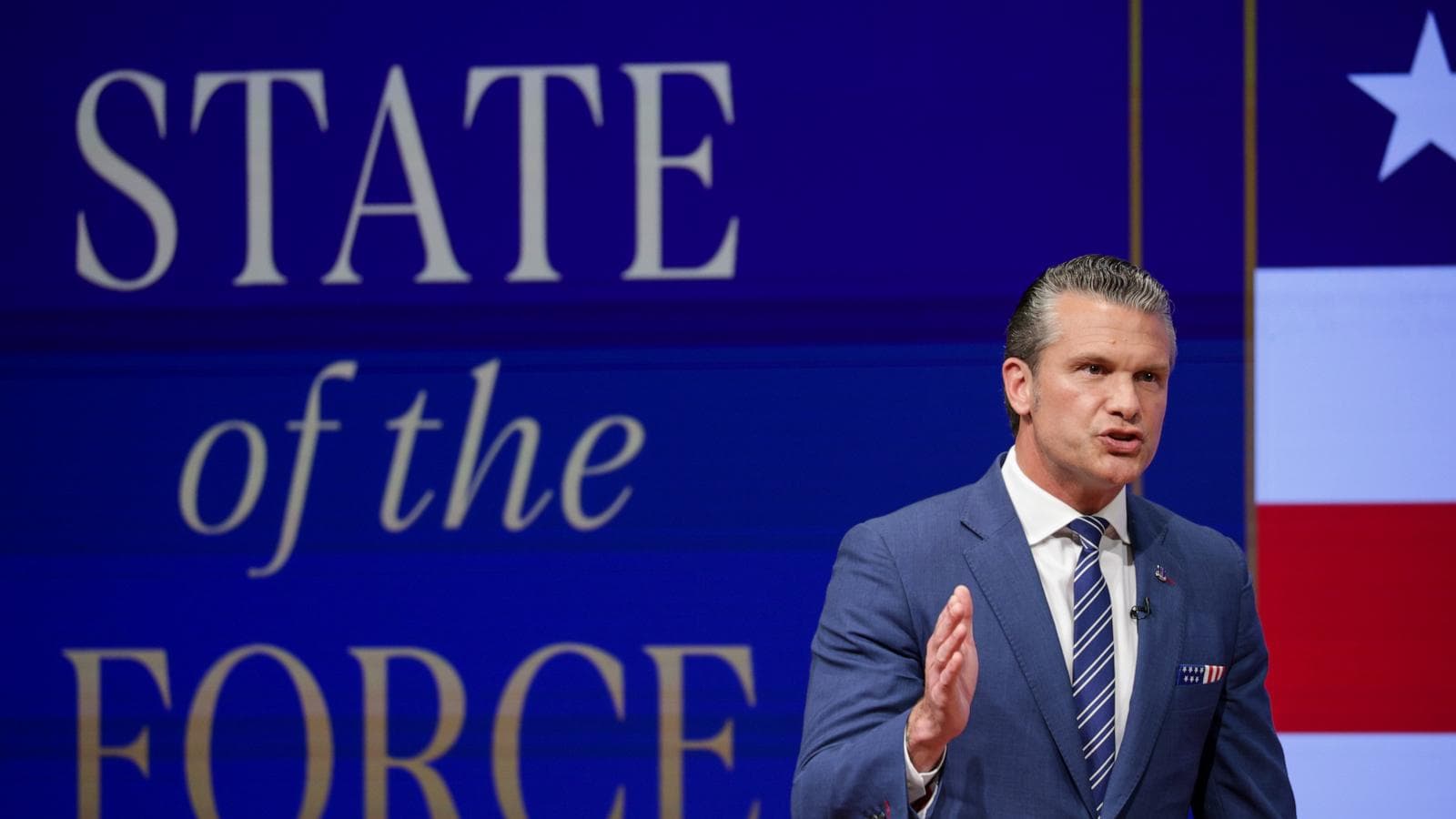
- Defense Secretary Pete Hegseth announced a 20% reduction in generals and admirals during his address at Marine Corps Base Quantico.
- The cuts will affect approximately 800 senior positions across all branches of the U.S. military, doubling a previous 10% reduction directive.
- Implementation is set for completion by January 1, 2027, amid ongoing military operations, including a conflict with Iran.
The context you actually need
- This announcement builds on earlier directives from May 2025, which aimed for a minimum 10% reduction in flag and general officer positions.
- The cuts come during a politically charged environment, with the second Trump administration pushing to eliminate perceived “woke” influences in the military.
- Concerns have been raised by bipartisan congressional members about the potential long-term impacts on military readiness and leadership stability.
What's really happening
The decision to cut 20% of general and flag officer positions is rooted in a broader strategy to enhance accountability and streamline military leadership. By reducing the number of senior officers, the Department of Defense aims to create a more agile command structure that can respond effectively to current and emerging threats, particularly in light of ongoing military operations, such as the conflict with Iran over the Strait of Hormuz.
This restructuring is not merely about reducing personnel; it reflects a significant shift in military philosophy. The introduction of a new four-star autonomous warfare command indicates a pivot towards modern warfare strategies that prioritize technology and rapid decision-making over traditional hierarchical structures. The Pentagon's approach suggests a desire to adapt to the complexities of contemporary conflicts, where speed and efficiency are paramount.
However, this move has sparked controversy. Critics, including some senators, have labeled the cuts a "purge" of officers associated with previous policies, raising concerns about the potential loss of institutional knowledge and leadership experience. The fear is that such drastic reductions could impair the military's operational readiness, especially during active conflicts. Bipartisan oversight from Congress will likely scrutinize the implementation of these cuts, focusing on their impact on military effectiveness and leadership dynamics.
The decision also aligns with a broader political agenda to reshape the military's cultural landscape, moving away from diversity, equity, and inclusion initiatives that some factions within the government view as detrimental. This cultural shift may further complicate the military's ability to attract and retain talent in an increasingly competitive job market.
As the military embarks on this restructuring, the implications extend beyond personnel numbers. The focus on accountability and streamlined leadership could redefine how military operations are conducted, potentially influencing everything from procurement processes to the nature of military engagements abroad.
Who feels it first (and how)
- Defense contractors: Companies reliant on military contracts may see shifts in project scopes and funding.
- Military personnel: Current and future officers may face changes in career trajectories and leadership opportunities.
- Congressional oversight committees: Increased scrutiny and potential legislative responses to ensure military readiness.
- International allies: Changes in U.S. military posture could affect global defense collaborations and strategies.
What to watch next
- Congressional hearings: Watch for discussions on the implications of these cuts on military readiness and leadership effectiveness.
- Operational readiness reports: Monitor assessments from military leaders on how these changes impact ongoing operations, especially in conflict zones.
- Recruitment and retention metrics: Keep an eye on how these cuts affect the military's ability to attract and retain talent in the coming years.
A 20% reduction in general and flag officer positions is confirmed.
Increased scrutiny from Congress regarding military readiness and leadership effectiveness.
The long-term impact on military operations and the ability to adapt to modern warfare challenges.
Frequently Asked Questions
- Why it matters?
- This significant reduction in military leadership positions signals a shift in U.S. defense strategy and operational focus.
- What happened (in 30 seconds)?
- Defense Secretary Pete Hegseth announced a 20% reduction in generals and admirals during his address at Marine Corps Base Quantico. The cuts will affect approximately 800 senior positions across all branches of the U.S. military, doubling a previous 10% reduction directive. Implementation is set for completion by January 1, 2027, amid ongoing military operations, including a conflict with Iran.
- What's really happening?
- The decision to cut 20% of general and flag officer positions is rooted in a broader strategy to enhance accountability and streamline military leadership. By reducing the number of senior officers, the Department of Defense aims to create a more agile command structure that can respond effectively to current and emerging threats, particularly in light of ongoing military operations, such as the conflict with Iran over the Strait of Hormuz. This restructuring is not merely about reducing person
- Who feels it first (and how)?
- Defense contractors: Companies reliant on military contracts may see shifts in project scopes and funding. Military personnel: Current and future officers may face changes in career trajectories and leadership opportunities. Congressional oversight committees: Increased scrutiny and potential legislative responses to ensure military readiness. International allies: Changes in U.S. military posture could affect global defense collaborations and strategies.
- What to watch next?
- Congressional hearings: Watch for discussions on the implications of these cuts on military readiness and leadership effectiveness. Operational readiness reports: Monitor assessments from military leaders on how these changes impact ongoing operations, especially in conflict zones. Recruitment and retention metrics: Keep an eye on how these cuts affect the military's ability to attract and retain talent in the coming years.
Global news coverage with extensive reporting on Middle Eastern conflicts and geopolitics.
"Al Jazeera is a Qatar-based broadcaster known for wide regional coverage and alternative perspectives."
— A47 Editor
Hegseth announces 20% cut to US military commanders
U.S. Secretary of Defense Pete Hegseth announced a significant restructuring of military leadership, stating that 20% of the military's generals and admirals will be dismissed. This decision comes amid ongoing scrutiny of Hegseth's management of mili...
Major U.S. developments and regional news.
"ABC News delivers broad national coverage with a mainstream editorial stance, focusing on accessibility and balanced reporting."
— A47 Editor
Hegseth confirms the US military will cut 20% of its generals and admirals
Defense Secretary Pete Hegseth has confirmed that the U.S. military will reduce its number of generals and admirals by 20%, a significant restructuring aimed at streamlining command within the armed forces. This decision aligns with ongoing efforts t...
International news coverage curated for readers in the UAE and Gulf region.
"Emirates 24|7 world coverage presents global developments through a UAE-facing and Gulf-relevant editorial lens."
— A47 Editor
Hegseth to announce 20% cuts to US generals and admirals by 2027
U.S. Defense Secretary Pete Hegseth is set to announce a significant restructuring of military leadership, aiming for a 20% reduction in the number of generals and admirals by January 1, 2027. This follows a previous directive for a 10% cut and comes...
Editor-curated FT homepage stories spanning markets, business, world, and opinion.
"The Financial Times is a globally respected business publication with a centrist/center-left tone and strong markets focus."
— A47 Editor
Hegseth to slash top US military officer roles by 20%
Defense Secretary Pete Hegseth announced plans to reduce the roles of top US military officers by 20%, a move that is part of a broader overhaul of the armed services aimed at restructuring military leadership. This decision comes amid ongoing strate...