
California Enacts First AI Worker Protection Laws Amid Federal Inaction
Why it matters
These laws set a precedent for how AI can be integrated into the workforce, influencing labor rights nationwide.
What happened (in 30 seconds)
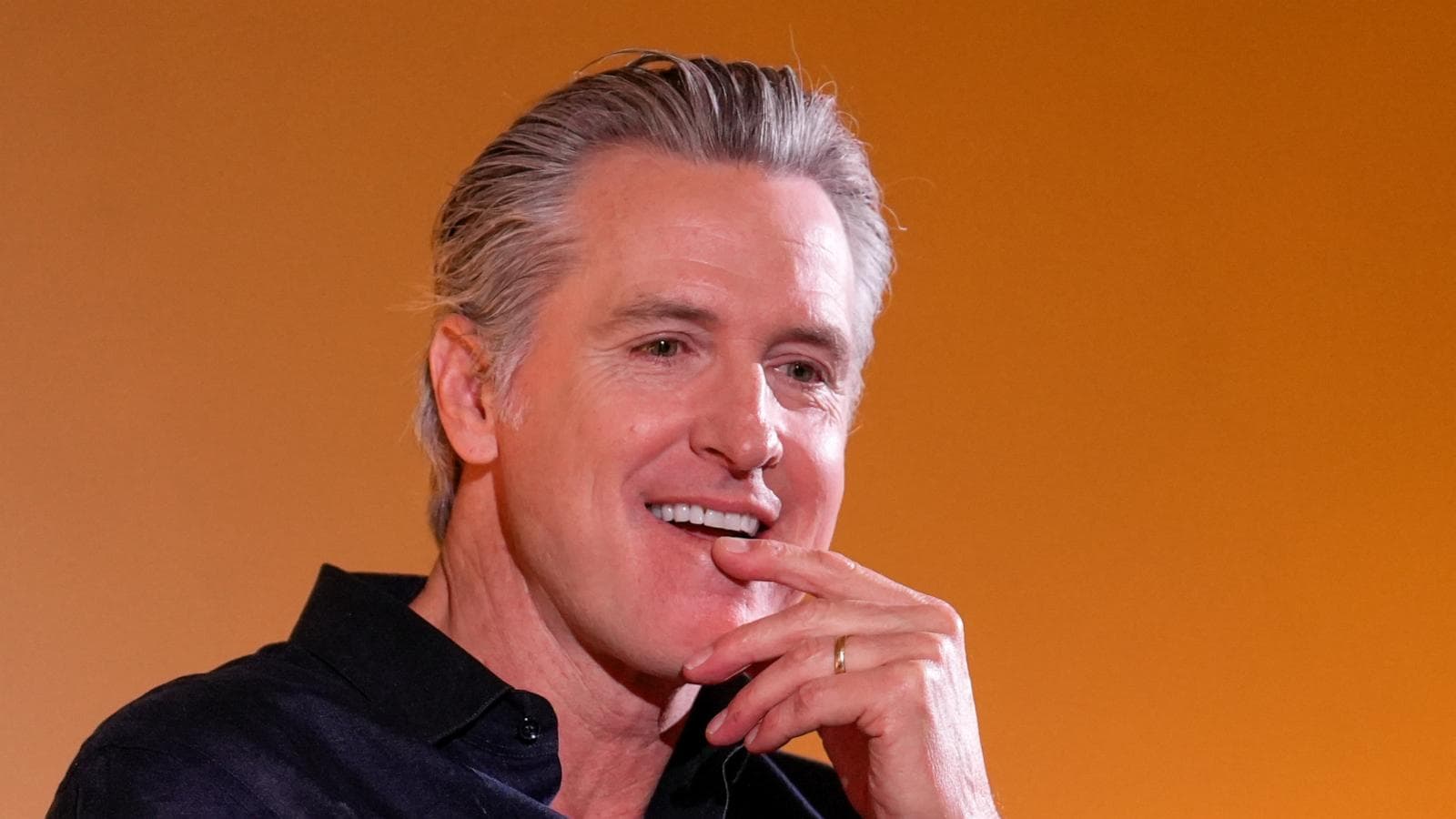
- On September 30, 2026, California Governor Gavin Newsom signed multiple bills and an executive order aimed at protecting workers from AI-related risks.
- Key provisions include prohibiting AI from being the sole basis for firings, requiring human oversight in automated decisions, and banning certain types of workplace surveillance.
- Labor unions praised these measures as essential safeguards against the unchecked use of AI in employment.
The context you actually need
- Growing concerns over AI-driven automation have prompted calls for stronger regulations, especially in light of federal inaction.
- Previous executive orders by Newsom laid the groundwork for these laws, emphasizing the need for risk assessments and human oversight in AI applications.
- Labor unions have been vocal advocates for these protections, highlighting the potential for job displacement and privacy violations.
What's really happening
On September 30, 2026, California took a bold step by enacting several first-in-the-nation laws aimed at safeguarding workers from the risks associated with artificial intelligence. Governor Gavin Newsom's actions came as a response to increasing fears about job displacement, workplace surveillance, and the ethical implications of AI in decision-making processes.
The laws signed include critical provisions that require human oversight in employment decisions, particularly in cases of firing or disciplinary actions. This means that AI cannot be the sole determinant in such significant decisions, ensuring that human judgment remains a vital component in the workplace. Additionally, the legislation mandates written notices for any AI-related mass layoffs, providing transparency and allowing workers to prepare for potential job losses.
Another significant aspect of the new laws is the prohibition of biometric emotional state prediction and neural data collection. This addresses growing concerns about privacy and the misuse of personal data in the workplace. Furthermore, restrictions on workplace surveillance, particularly in sensitive areas like bathrooms, reflect a commitment to maintaining employee dignity and privacy.
The executive order accompanying the legislation requires state agencies to use the term "artificial intelligence" in their communications, signaling a shift towards greater accountability and clarity in how AI is discussed and implemented in public policy. This move is part of a broader strategy to establish a comprehensive framework for AI governance that prioritizes human oversight and ethical considerations.
These legislative actions are particularly noteworthy given the backdrop of federal inaction under the Trump administration, which favored voluntary industry accords over regulatory measures. By taking the lead, California is positioning itself as a model for other states and potentially influencing national policy discussions on AI and labor rights.
The implications of these laws extend beyond California. As other states observe the outcomes of these regulations, there may be a ripple effect leading to similar legislative efforts elsewhere. This could create a patchwork of state-level protections that vary significantly, complicating the landscape for businesses operating across state lines.
Who feels it first (and how)
- Workers in California: Directly benefit from enhanced job security and privacy protections.
- Labor unions: Gain a stronger foothold in advocating for worker rights in the face of AI advancements.
- Employers: Must adapt to new compliance requirements, potentially increasing operational costs.
- Tech companies: Face stricter regulations on AI deployment, influencing product development and business strategies.
What to watch next
- Implementation of the laws: Monitor how businesses adapt to these regulations and the impact on employment practices.
- Responses from other states: Watch for similar legislative efforts in other states, which could lead to a national conversation on AI and labor rights.
- Labor union activities: Keep an eye on how unions leverage these laws to negotiate better terms for workers in the tech and healthcare sectors.
California has enacted multiple laws to protect workers from AI-related risks.
Other states may follow California's lead, resulting in a patchwork of regulations across the U.S.
The long-term impact on job security and workplace dynamics as AI continues to evolve.
Frequently Asked Questions
- Why it matters?
- These laws set a precedent for how AI can be integrated into the workforce, influencing labor rights nationwide.
- What happened (in 30 seconds)?
- On September 30, 2026, California Governor Gavin Newsom signed multiple bills and an executive order aimed at protecting workers from AI-related risks. Key provisions include prohibiting AI from being the sole basis for firings, requiring human oversight in automated decisions, and banning certain types of workplace surveillance. Labor unions praised these measures as essential safeguards against the unchecked use of AI in employment.
- What's really happening?
- On September 30, 2026, California took a bold step by enacting several first-in-the-nation laws aimed at safeguarding workers from the risks associated with artificial intelligence. Governor Gavin Newsom's actions came as a response to increasing fears about job displacement, workplace surveillance, and the ethical implications of AI in decision-making processes. The laws signed include critical provisions that require human oversight in employment decisions, particularly in cases of firing or
- Who feels it first (and how)?
- Workers in California: Directly benefit from enhanced job security and privacy protections. Labor unions: Gain a stronger foothold in advocating for worker rights in the face of AI advancements. Employers: Must adapt to new compliance requirements, potentially increasing operational costs. Tech companies: Face stricter regulations on AI deployment, influencing product development and business strategies.
- What to watch next?
- Implementation of the laws: Monitor how businesses adapt to these regulations and the impact on employment practices. Responses from other states: Watch for similar legislative efforts in other states, which could lead to a national conversation on AI and labor rights. Labor union activities: Keep an eye on how unions leverage these laws to negotiate better terms for workers in the tech and healthcare sectors.
Global business headlines with AI angles.
"General business outlet that frequently covers AI."
— A47 Editor
California Adds New AI Protections For Workers. Employers Can't Let Algorithms Make Firing Decisions Alone.
California has enacted new legislation that prohibits employers from relying solely on artificial intelligence (AI) for firing or disciplining workers, as part of a broader effort to enhance worker protections in the face of advancing technology. Thi...
Consumer tech news, reviews, and buying guides for gadgets and electronics.
"TechRadar is known for comprehensive buying advice, hardware reviews, and consumer tech news targeted at mainstream audiences."
— A47 Editor
California Governor Gavin Newsom signs 'No Robo Bosses Act' — so an AI can no longer fire you on its own
California Governor Gavin Newsom has signed the 'No Robo Bosses Act', which mandates that human verification is required before any automated decisions to discipline or terminate employees can be enacted. This legislation aims to protect workers from...
UAE-based newspaper covering Gulf politics, society, and international developments.
"Gulf News is one of the UAE’s most prominent English-language publications."
— A47 Editor
California Gov. Gavin Newsom signs laws to protect workers from AI risks
California Governor Gavin Newsom has signed new legislation aimed at protecting workers from the risks associated with artificial intelligence (AI). This move reflects a growing concern over the implications of AI technology in the workplace and its ...
Technology innovations, startups, and trends.
"ABC News delivers broad national coverage with a mainstream editorial stance, focusing on accessibility and balanced reporting."
— A47 Editor
California Gov. Gavin Newsom signs laws to protect workers from AI risks
California Governor Gavin Newsom has signed new legislation aimed at protecting workers from the risks associated with artificial intelligence (AI). This move reflects a proactive approach to address the potential dangers posed by AI technologies in ...