
California Enacts First Worker Protections Against AI in Employment Decisions
Why it matters
These laws set a precedent for worker protections against AI, influencing potential regulations in other states and countries.
What happened (in 30 seconds)
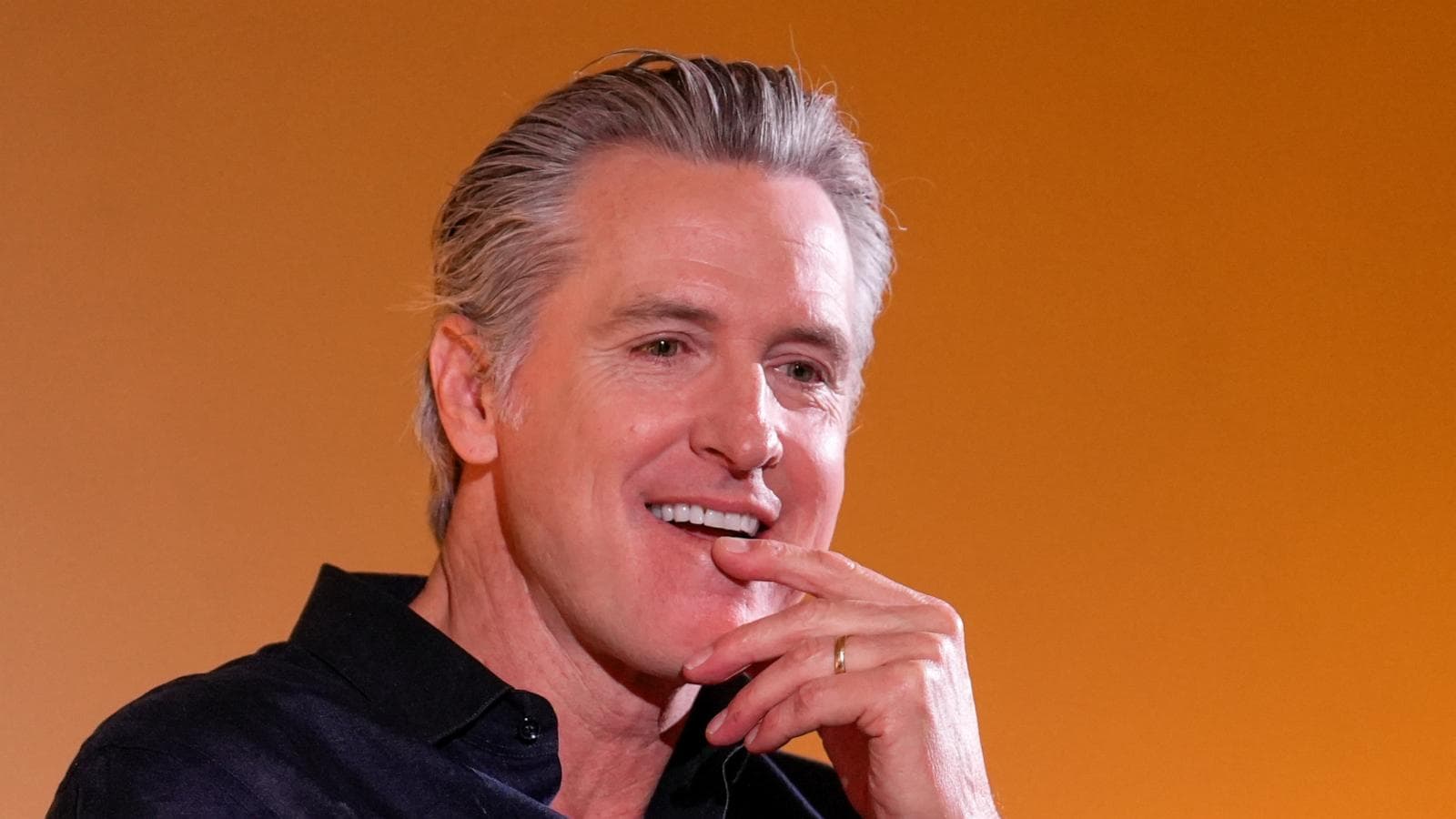
- On September 30, 2026, California Governor Gavin Newsom signed multiple bills and an executive order to protect workers from AI-related risks.
- Key provisions include prohibiting sole reliance on AI for disciplinary actions, requiring human oversight, and banning AI-based emotional state predictions.
- California's actions position it as a leader in AI regulation amid a lack of comprehensive federal guidelines.
The context you actually need
- California has been proactive in establishing AI regulations since 2025, focusing on transparency and safety in AI applications.
- Labor unions have advocated for these protections, emphasizing the need for human oversight in automated decision-making processes.
- Federal inaction under previous administrations has prompted states like California to take the lead in AI regulation, filling the gaps left by national policies.
What's really happening
On September 30, 2026, California took a significant step in regulating artificial intelligence in the workplace by enacting a series of laws aimed at protecting workers from the potential risks associated with AI technologies. This legislative move is particularly noteworthy as it comes in the absence of comprehensive federal regulations, positioning California as a pioneer in this critical area.
The laws signed by Governor Gavin Newsom include the "No Robo Bosses Act," which prohibits employers from relying solely on automated systems for disciplinary actions or terminations. This means that if an employee is to be fired or disciplined based on an AI decision, there must be a human review involved. This requirement addresses growing concerns about the fairness and transparency of AI-driven decisions, which can often be opaque and unaccountable.
Additionally, the new regulations ban the use of AI to infer emotional states from biometric data, a practice that raises significant ethical and privacy concerns. The laws also impose restrictions on workplace surveillance, particularly in sensitive areas like bathrooms, and mandate written notices for any AI-driven mass layoffs. These measures reflect a broader societal pushback against the unchecked use of AI in employment contexts, where workers fear being monitored and judged by algorithms without any human oversight.
The backdrop to these developments includes a history of advocacy from labor unions, which have long argued for stronger protections against the encroachment of technology in the workplace. The California Federation of Labor Unions has praised these new laws as a necessary step toward safeguarding workers from "robo bosses." Furthermore, the legislative actions were influenced by the rapid adoption of AI technologies in various sectors, which has raised alarms about job displacement and privacy erosion.
As California moves forward with these regulations, it is also signaling to other states and countries that proactive measures are necessary to protect workers in an increasingly automated world. The state's actions may inspire similar legislative efforts elsewhere, particularly in regions where AI technologies are being integrated into the workforce.
Who feels it first (and how)
- Workers in California: Directly benefit from enhanced job security and privacy protections.
- Employers: Must adapt their HR practices to comply with new regulations, potentially increasing operational costs.
- Labor unions: Gain leverage in advocating for worker rights and protections against AI misuse.
What to watch next
- Compliance adjustments: Monitor how companies adapt their HR policies to align with the new regulations, which could set industry standards.
- Legislative trends: Watch for similar laws emerging in other states as California's actions may inspire a wave of AI regulations nationwide.
- Union responses: Keep an eye on labor unions' strategies as they may push for even more stringent protections in response to these initial laws.
California has enacted laws to protect workers from AI-related risks.
Other states may follow California's lead in establishing similar regulations.
The long-term economic impact on industries heavily reliant on AI remains to be seen.
Frequently Asked Questions
- Why it matters?
- These laws set a precedent for worker protections against AI, influencing potential regulations in other states and countries.
- What happened (in 30 seconds)?
- On September 30, 2026, California Governor Gavin Newsom signed multiple bills and an executive order to protect workers from AI-related risks. Key provisions include prohibiting sole reliance on AI for disciplinary actions, requiring human oversight, and banning AI-based emotional state predictions. California's actions position it as a leader in AI regulation amid a lack of comprehensive federal guidelines.
- What's really happening?
- On September 30, 2026, California took a significant step in regulating artificial intelligence in the workplace by enacting a series of laws aimed at protecting workers from the potential risks associated with AI technologies. This legislative move is particularly noteworthy as it comes in the absence of comprehensive federal regulations, positioning California as a pioneer in this critical area. The laws signed by Governor Gavin Newsom include the "No Robo Bosses Act," which prohibits employ
- Who feels it first (and how)?
- Workers in California: Directly benefit from enhanced job security and privacy protections. Employers: Must adapt their HR practices to comply with new regulations, potentially increasing operational costs. Labor unions: Gain leverage in advocating for worker rights and protections against AI misuse.
- What to watch next?
- Compliance adjustments: Monitor how companies adapt their HR policies to align with the new regulations, which could set industry standards. Legislative trends: Watch for similar laws emerging in other states as California's actions may inspire a wave of AI regulations nationwide. Union responses: Keep an eye on labor unions' strategies as they may push for even more stringent protections in response to these initial laws.
UAE-based newspaper covering Gulf politics, society, and international developments.
"Gulf News is one of the UAE’s most prominent English-language publications."
— A47 Editor
California Gov. Gavin Newsom signs laws to protect workers from AI risks
California Governor Gavin Newsom has signed new legislation aimed at protecting workers from the risks associated with artificial intelligence (AI). This move reflects a growing concern over the implications of AI technology in the workplace and its ...
News and features on AI from The Guardian.
"Progressive-leaning international outlet with critical AI coverage."
— A47 Editor
Gavin Newsom signs laws to protect California workers from AI threat
California Governor Gavin Newsom signed new laws aimed at safeguarding workers from the potential threats posed by artificial intelligence, including job losses and workplace surveillance. The legislation prohibits employers from using AI to predict ...
Tech culture, product news, and critical takes on the tech industry's social impact.
"The Guardian's tech coverage blends mainstream news, critical analysis, and cultural commentary on emerging technologies and digital trends."
— A47 Editor
Gavin Newsom signs laws to protect California workers from AI threat
California Governor Gavin Newsom signed new laws aimed at safeguarding workers from the potential threats posed by artificial intelligence, including job losses and workplace surveillance. The legislation prohibits employers from using AI to predict ...
International coverage from The Guardian's global desks.
"The Guardian is known for its progressive editorial stance and in-depth analysis."
— A47 Editor
Gavin Newsom signs laws to protect California workers from AI threat
California Governor Gavin Newsom signed new laws aimed at safeguarding workers from the potential threats posed by artificial intelligence, including job losses and workplace surveillance. The legislation prohibits employers from using AI to predict ...
Technology innovations, startups, and trends.
"ABC News delivers broad national coverage with a mainstream editorial stance, focusing on accessibility and balanced reporting."
— A47 Editor
California Gov. Gavin Newsom signs laws to protect workers from AI risks
California Governor Gavin Newsom has signed new legislation aimed at protecting workers from the risks associated with artificial intelligence (AI). This move reflects a proactive approach to address the potential dangers posed by AI technologies in ...