
Iraq Completes US Military Withdrawal Ending 23-Year Presence
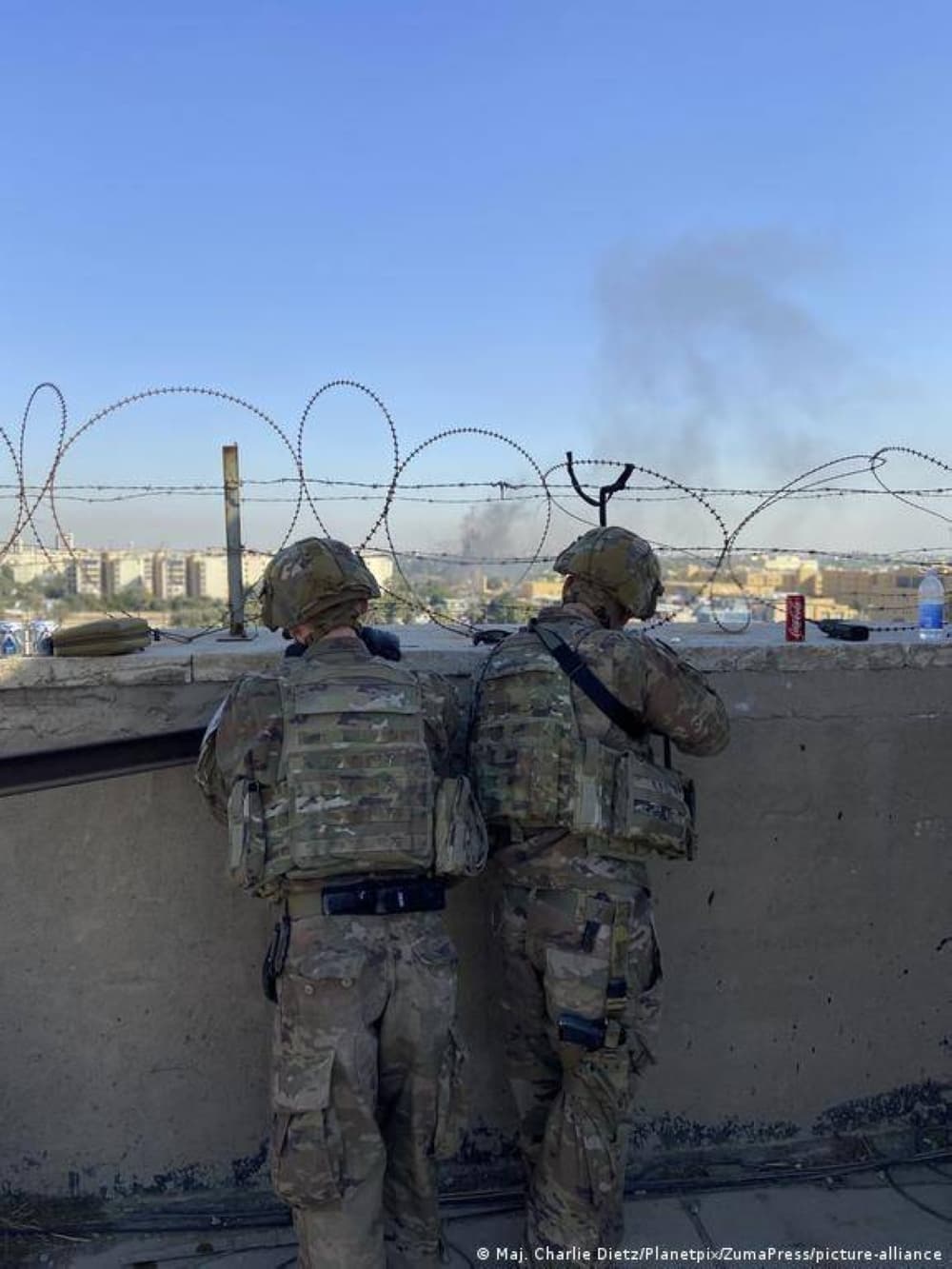
Why it matters
This withdrawal signals a shift in regional power dynamics and may influence international investment strategies.
What happened (in 30 seconds)
- Iraq completed the withdrawal of US-led coalition forces on September 30, 2026, marking the end of a 23-year military presence.
- Iraqi authorities assumed full control of security arrangements, transitioning from coalition operations against ISIS to bilateral partnerships.
- The event was celebrated as 'Sovereignty Day', with Iraqi Prime Minister Ali al-Zaidi emphasizing national control over security decisions.
The context you actually need
- The US-led invasion in 2003 initiated a prolonged military presence aimed at stabilizing Iraq post-Saddam Hussein.
- The 2024 Iraq-US agreement established a phased withdrawal timeline, reflecting Iraq's desire for greater sovereignty amid evolving regional dynamics.
- The combat mission against ISIS concluded in 2021, shifting focus to training and advisory roles, which set the stage for this final withdrawal.
What's really happening
The completion of the US military withdrawal from Iraq on September 30, 2026, marks a significant turning point in the region's geopolitical landscape. This event, celebrated as 'Sovereignty Day' by Iraqi authorities, culminates a 23-year military presence that began with the 2003 invasion. The withdrawal was executed in phases, adhering to a 2024 bilateral agreement that aimed to transition Iraq from a multilateral coalition security framework to a more autonomous security posture.
The first phase of the withdrawal concluded in September 2025, with US forces exiting several bases across Iraq, including key locations in Baghdad and the provinces of Anbar and Nineveh. The final phase involved the handover of the Diplomatic Support Center at Baghdad International Airport and the exit from Erbil Air Base in the Kurdistan Region. This orderly departure was confirmed by the Pentagon, which noted the success of the 12-year anti-ISIS campaign and the transition to standard bilateral relations.
The implications of this withdrawal are profound. For Iraq, it represents a reclaiming of sovereignty and a shift towards self-reliance in security matters. However, the transition is not without challenges. Iraqi authorities now face the task of managing internal security, particularly concerning the influence of militia groups that have historically operated outside state control. The effectiveness of Iraq's security forces in maintaining stability will be closely monitored, as any lapses could lead to increased violence or instability.
For the United States, the withdrawal signifies a strategic pivot, focusing on intelligence sharing and training through bilateral channels rather than direct military involvement. This shift may also influence US foreign policy in the region, as it seeks to balance relationships with Iraq and other neighboring countries, particularly Iran, which has welcomed the withdrawal as a strategic gain.
The economic ramifications are equally significant. The estimated total US expenditure on the Iraq intervention from 2003 to 2026 is around $1.7 trillion, a figure that underscores the financial stakes involved. As Iraq moves towards reconstruction and development, opportunities may arise for foreign investment, particularly from Gulf states like the UAE. Dubai-based firms could benefit from normalized bilateral frameworks, although persistent security risks and militia influence will require careful navigation.
Who feels it first (and how)
- Iraqi Government: Faces increased pressure to manage security and governance effectively.
- US Military and Defense Contractors: Experience a shift in operational focus and potential reduction in contracts.
- Regional Investors: May see new opportunities in Iraqi reconstruction but must assess security risks.
- Oil Markets: Could experience volatility based on Iraq's internal security management and militia disarmament timelines.
- Local Populations: Will feel the immediate impact of security changes and economic opportunities or challenges.
What to watch next
- Internal Security Developments: Monitor how effectively Iraqi security forces manage militia influence and internal stability. This will be crucial for regional security and investment confidence.
- Bilateral Agreements: Watch for new agreements between Iraq and the US or other nations that could shape future security and economic partnerships.
- Economic Recovery Initiatives: Keep an eye on reconstruction efforts and foreign investments in Iraq, particularly from Gulf states, as they could signal a shift in regional economic dynamics.
The US military withdrawal from Iraq is complete as of September 30, 2026.
Iraq will face challenges in managing internal security and militia influence in the absence of US forces.
The long-term impact on regional stability and economic recovery remains uncertain, particularly regarding foreign investment flows.
Frequently Asked Questions
- Why it matters?
- This withdrawal signals a shift in regional power dynamics and may influence international investment strategies.
- What happened (in 30 seconds)?
- Iraq completed the withdrawal of US-led coalition forces on September 30, 2026, marking the end of a 23-year military presence. Iraqi authorities assumed full control of security arrangements, transitioning from coalition operations against ISIS to bilateral partnerships. The event was celebrated as 'Sovereignty Day', with Iraqi Prime Minister Ali al-Zaidi emphasizing national control over security decisions.
- What's really happening?
- The completion of the US military withdrawal from Iraq on September 30, 2026, marks a significant turning point in the region's geopolitical landscape. This event, celebrated as 'Sovereignty Day' by Iraqi authorities, culminates a 23-year military presence that began with the 2003 invasion. The withdrawal was executed in phases, adhering to a 2024 bilateral agreement that aimed to transition Iraq from a multilateral coalition security framework to a more autonomous security posture. The first p
- Who feels it first (and how)?
- Iraqi Government: Faces increased pressure to manage security and governance effectively. US Military and Defense Contractors: Experience a shift in operational focus and potential reduction in contracts. Regional Investors: May see new opportunities in Iraqi reconstruction but must assess security risks. Oil Markets: Could experience volatility based on Iraq's internal security management and militia disarmament timelines. Local Populations: Will feel the immediate impact of security ch
- What to watch next?
- Internal Security Developments: Monitor how effectively Iraqi security forces manage militia influence and internal stability. This will be crucial for regional security and investment confidence. Bilateral Agreements: Watch for new agreements between Iraq and the US or other nations that could shape future security and economic partnerships. Economic Recovery Initiatives: Keep an eye on reconstruction efforts and foreign investments in Iraq, particularly from Gulf states, as they could sign
Arabic-language coverage of political affairs and current events.
"Okaz political coverage typically follows mainstream Saudi framing on national and regional affairs."
— A47 Editor
التحالف الدولي: غادرنا العراق وعلى الفصائل المسلحة إلقاء السلاح الآن
The International Coalition against ISIS announced its withdrawal from Iraq, stating that there is no justification for the continued presence of armed groups following its departure, with the last operation completed in Erbil. The U.S. Central Comma...
Arabic-language coverage of Saudi, regional, and international affairs.
"Al Bilad offers mainstream Saudi newspaper coverage across domestic and broader Arab topics."
— A47 Editor
عزز قدراته العسكرية.. العراق ينهي مهمة التحالف الدولي
Iraq is set to conclude its cooperation with the international coalition supporting its fight against ISIS, marking the end of the coalition's combat forces on Iraqi soil. The country will transition to a new phase of security and military collaborat...
Coverage of political affairs and regional developments from a Saudi perspective.
"Al Watan political coverage typically follows a mainstream Saudi framing of regional and national issues."
— A47 Editor
العراق يطوي 23 عاما من الوجود الأمريكي
Iraq is set to conclude 23 years of American military presence on September 30, marking a significant shift in its security management following the U.S. invasion in 2003. The Iraqi authorities have taken control of the main U.S. base at Baghdad Inte...