
U.S. Intelligence Reports Israeli Espionage Targeting Negotiators with Iran
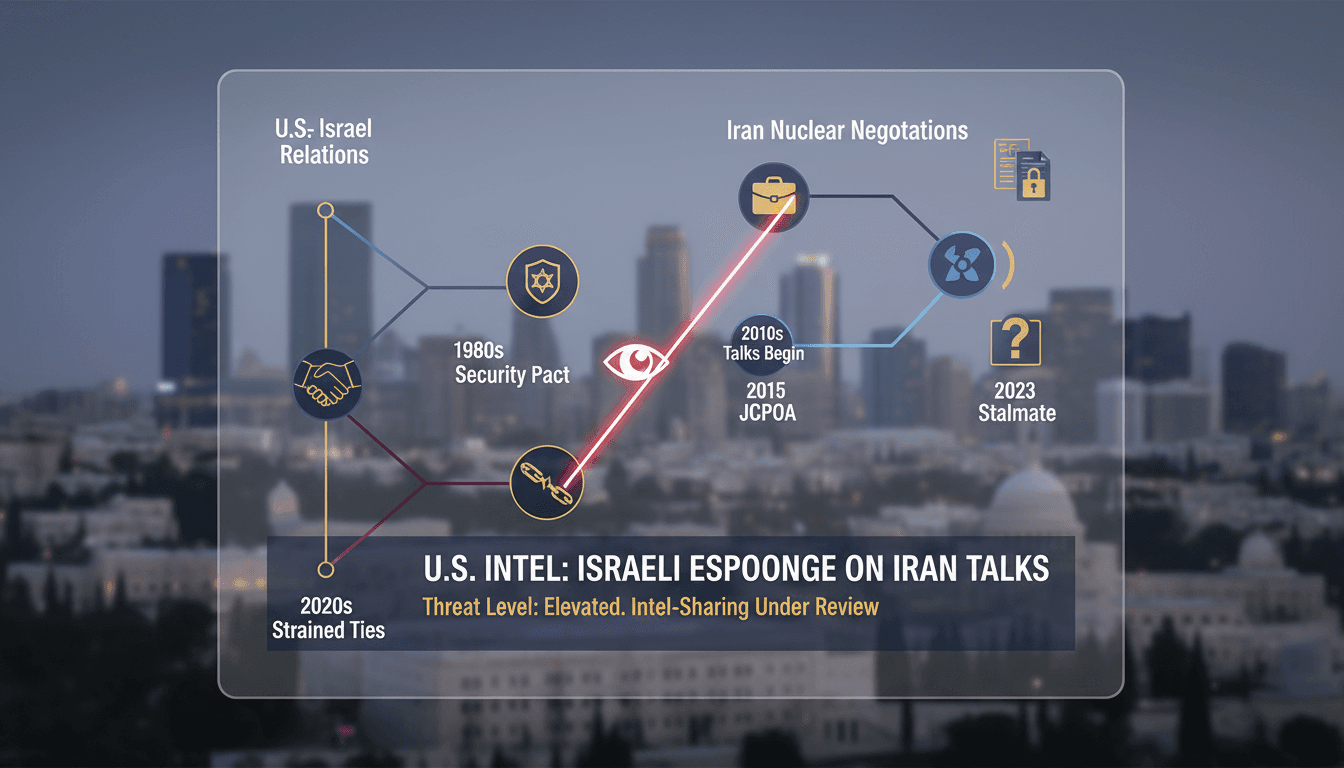
Here's what it means for you.
The recent allegations of Israeli espionage against U.S. officials involved in Iran negotiations could significantly impact diplomatic relations between the two nations. As tensions rise, the U.S. may need to reassess its intelligence-sharing protocols with Israel, which could affect broader security cooperation. This situation underscores the complexities of international diplomacy, particularly in sensitive negotiations involving Iran.
What happened
U.S. intelligence has disclosed that Israel is allegedly spying on American officials engaged in negotiations with Iran. Reports indicate that Israeli intelligence is particularly focused on understanding the evolving strategies of the Trump administration regarding Iran. This revelation has prompted the U.S. to elevate the threat level concerning Israeli intelligence activities from 'high' to 'critical'.
Three key U.S. officials, including chief negotiator Steve Witkoff, are reportedly being targeted by Israeli intelligence. The White House has not commented on the allegations, while the Israeli embassy has denied any wrongdoing. This situation marks a notable escalation in U.S.-Israel security relations.
The Context
The allegations of espionage come amidst increasing tensions in U.S.-Israel relations, particularly as both nations navigate complex security issues surrounding Iran. Historically, Israeli espionage activities have included targeting both allies and adversaries, raising concerns about trust and cooperation. The Pentagon has expressed particular concern regarding the implications of these activities on national security.
As negotiations with Iran continue, the potential for increased tensions between the U.S. and Israel may complicate diplomatic efforts. The current climate of distrust raises questions about the integrity of sensitive diplomatic initiatives. The situation highlights the delicate balance both nations must maintain in their ongoing military cooperation.
Takeaway
Moving forward, it will be crucial to monitor any official responses from the U.S. government regarding these espionage allegations. Developments in U.S.-Iran negotiations may also be influenced by the fallout from these claims, necessitating careful management of intelligence-sharing and security protocols. The implications of this situation could reshape the dynamics of U.S.-Israel relations in the context of broader Middle Eastern diplomacy.
Arabic-language coverage of political affairs and current events.
"Okaz political coverage typically follows mainstream Saudi framing on national and regional affairs."
— A47 Editor
استخبارات أمريكية: إسرائيل تتجسس على المفاوضين في محادثات إيران
U.S. intelligence reports have revealed growing concerns over Israeli espionage activities targeting American negotiators involved in talks with Iran, as reported by The New York Times. The Israeli government is reportedly seeking insights into Presi...
Pan-Arab news coverage spanning politics, business, sports, and regional affairs.
"Asharq Al-Awsat reflects a broad Arab editorial perspective with strong attention to regional geopolitics."
— A47 Editor
«البنتاغون» يخشى تجسس إسرائيل على مفاوضي ترمب مع إيران
Recent U.S. intelligence reports have raised concerns that Israeli intelligence may be eavesdropping on American negotiators involved in peace talks with Iran. This situation highlights the complexities and sensitivities surrounding international neg...
Arabic-language coverage of international news and geopolitics.
"RT Arabic is a Russian state-funded outlet often criticized for promoting Kremlin-aligned narratives."
— A47 Editor
"نيويورك تايمز": إسرائيل تتنصت على كبير مفاوضي ترامب ومسؤولين في البنتاغون
The New York Times has reported concerns regarding Israel's intensified espionage activities targeting American officials, including Steve Witkoff, a senior negotiator for Trump, and Pentagon officials Elbridge Colby and his deputy Michael DeMinno.