
UAE Attorney General Classifies Flydubai Cockpit Incident as Terrorism Attempt
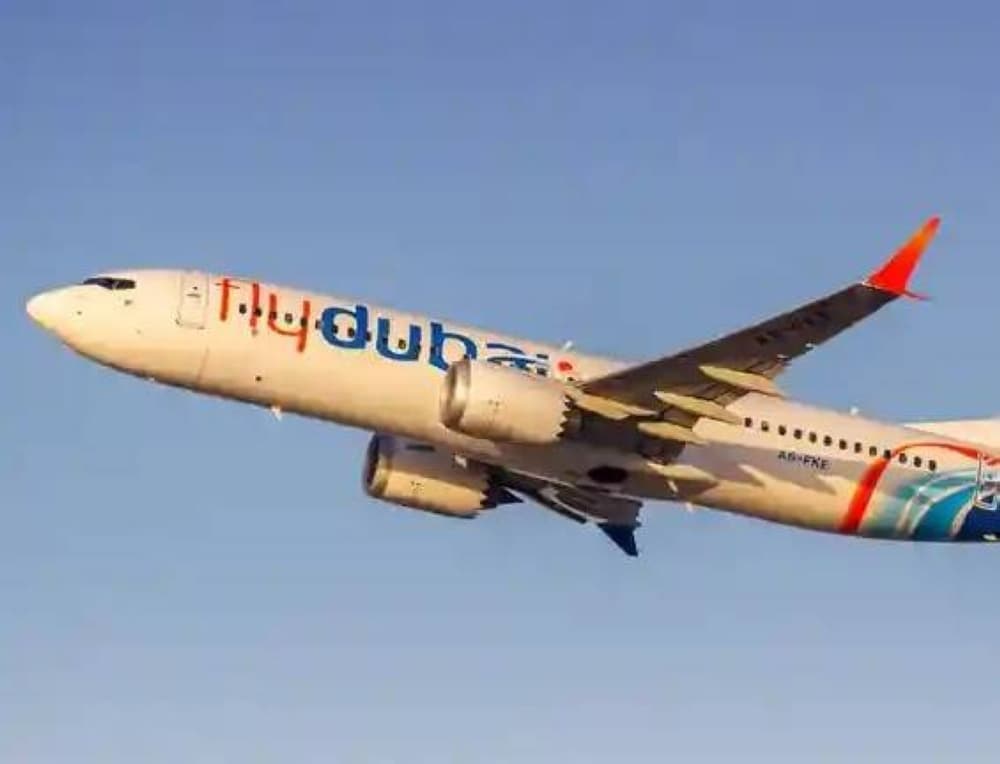
Why it matters
This incident underscores vulnerabilities in aviation security, particularly in regions with complex geopolitical dynamics.
What happened (in 30 seconds)
- On September 30, 2026, Flydubai flight FZ1073 experienced a cockpit assault when co-pilot Hammam Al-Hammami attacked the captain with a crash axe.
- The aircraft, carrying over 170 passengers, was diverted to Tabuk Airport in Saudi Arabia after a rapid descent of 16,625 feet.
- On October 3, 2026, the UAE Attorney General classified the incident as an attempted terrorist operation and referred the case to Public Prosecution.
The context you actually need
- Ongoing flights between the UAE and Israel have increased regional sensitivities, especially with a majority of Israeli passengers on this flight.
- The co-pilot had prior flight restrictions in Oman due to concerns over extremist views, raising questions about hiring practices in aviation.
- UAE authorities are collaborating with Saudi and Israeli investigators to uncover potential motives and external links, reflecting a broader commitment to aviation security.
What's really happening
The Flydubai FZ1073 incident is a stark reminder of the vulnerabilities that exist in aviation security, particularly in regions where geopolitical tensions are high. The attack, which involved the co-pilot using a crash axe to assault the captain, led to a rapid descent of 16,625 feet, a significant and alarming drop that could have resulted in catastrophic consequences. The swift actions of the crew and passengers to subdue the assailant and divert the flight to Tabuk Airport likely prevented a tragedy.
This incident has prompted the UAE Attorney General to classify the event as an attempted terrorist operation, indicating a serious approach to aviation security and a commitment to addressing potential threats. The referral to Public Prosecution suggests that authorities are taking this matter seriously, with ongoing investigations into the co-pilot's motives and any possible external influences. The fact that the co-pilot had faced restrictions in Oman due to extremist views raises critical questions about the vetting processes for airline personnel and the need for stringent background checks.
The implications of this incident extend beyond immediate security concerns. It highlights the necessity for airlines operating in sensitive regions to reassess their security protocols and employee screening processes. The collaboration between UAE, Saudi, and Israeli authorities signifies a unified front in tackling aviation security threats, which could lead to more stringent regulations and oversight in the industry.
Moreover, the incident has already affected travel dynamics, with over 10,000 Israelis reportedly stranded in Dubai and other UAE locations due to heightened security measures and flight disruptions. This situation not only impacts travelers but also has potential economic ramifications for airlines and tourism in the region. As investigations continue, the aviation sector may see increased scrutiny and regulatory changes aimed at preventing similar incidents in the future.
Who feels it first (and how)
- Airline passengers: Increased security checks and potential flight delays or cancellations.
- Airline staff: Stricter hiring and training protocols may be implemented.
- Travel agencies: Changes in travel advisories and potential shifts in customer preferences.
- Regional governments: Heightened focus on aviation security could lead to new regulations.
What to watch next
- Investigative outcomes: The results of ongoing investigations into the co-pilot's motives and any external links will be crucial for understanding the broader implications for aviation security.
- Regulatory changes: Watch for potential new regulations or guidelines from aviation authorities in the UAE and beyond that may arise from this incident.
- Passenger sentiment: Monitor how this incident affects public confidence in air travel, particularly on routes between the UAE and Israel.
The incident involved an assault on the cockpit during a commercial flight.
Increased security measures will be implemented across airlines operating in the region.
The full motives behind the co-pilot's actions and any potential external influences remain to be determined.
Frequently Asked Questions
- Why it matters?
- This incident underscores vulnerabilities in aviation security, particularly in regions with complex geopolitical dynamics.
- What happened (in 30 seconds)?
- On September 30, 2026, Flydubai flight FZ1073 experienced a cockpit assault when co-pilot Hammam Al-Hammami attacked the captain with a crash axe. The aircraft, carrying over 170 passengers, was diverted to Tabuk Airport in Saudi Arabia after a rapid descent of 16,625 feet. On October 3, 2026, the UAE Attorney General classified the incident as an attempted terrorist operation and referred the case to Public Prosecution.
- What's really happening?
- The Flydubai FZ1073 incident is a stark reminder of the vulnerabilities that exist in aviation security, particularly in regions where geopolitical tensions are high. The attack, which involved the co-pilot using a crash axe to assault the captain, led to a rapid descent of 16,625 feet, a significant and alarming drop that could have resulted in catastrophic consequences. The swift actions of the crew and passengers to subdue the assailant and divert the flight to Tabuk Airport likely prevented
- Who feels it first (and how)?
- Airline passengers: Increased security checks and potential flight delays or cancellations. Airline staff: Stricter hiring and training protocols may be implemented. Travel agencies: Changes in travel advisories and potential shifts in customer preferences. Regional governments: Heightened focus on aviation security could lead to new regulations.
- What to watch next?
- Investigative outcomes: The results of ongoing investigations into the co-pilot's motives and any external links will be crucial for understanding the broader implications for aviation security. Regulatory changes: Watch for potential new regulations or guidelines from aviation authorities in the UAE and beyond that may arise from this incident. Passenger sentiment: Monitor how this incident affects public confidence in air travel, particularly on routes between the UAE and Israel.
Arabic-language local coverage focused on UAE domestic issues, civic affairs, and community reporting.
"Emarat Al Youm local coverage emphasizes UAE institutions, public services, and community-level developments."
— A47 Editor
«فأس الطوارئ».. أداة مساعدة داخل قمرة قيادة الطائرة واستخدامها غير متاح للركاب «فأس الطوارئ».. أداة مساعدة داخل قمرة قيادة الطائرة واستخدامها غير متاح للركاب
The Attorney General of the UAE, Dr. Hamad Saif Al Shamsi, announced that investigations into the Fly Dubai flight FZ1073 incident revealed the presence of an emergency axe in the cockpit, which is not accessible to passengers. This tool is intended ...
Coverage of political affairs and regional developments from a Saudi perspective.
"Al Watan political coverage typically follows a mainstream Saudi framing of regional and national issues."
— A47 Editor
الإمارات تكشف نتائج التحقيقات وتحيل ملف فلاي دبي للنيابة
The United Arab Emirates has described an incident involving a Fly Dubai aircraft en route to Israel as an attempted terrorist attack, following preliminary investigations revealing that the co-pilot attacked the captain in the cockpit using an emerg...
Arabic-language coverage of political affairs and current events.
"Okaz political coverage typically follows mainstream Saudi framing on national and regional affairs."
— A47 Editor
«فأس الطوارئ» في قمرة القيادة.. الإمارات تكشف تفاصيل المخطط الإرهابي لمساعد طيار «فلاي دبي»
The Attorney General of the UAE, Dr. Hamad Saif Al Shamsi, revealed that investigations into the Fly Dubai flight incident confirmed that the co-pilot attempted to carry out a terrorist act by attacking the captain with an emergency axe and trying to...