
New York City Council Hearing Highlights AI Executives' Evasion on Catastrophic Risk Assessment
Why it matters
The responses from AI executives during the NYC hearing highlight a critical gap in accountability and transparency that could shape future AI regulations.
What happened (in 30 seconds)
- On October 5, 2026, New York City Council held a hearing on AI risks, featuring executives from major tech firms.
- Executives from OpenAI, Meta, Google, and Anthropic declined to provide quantifiable risk assessments for catastrophic scenarios.
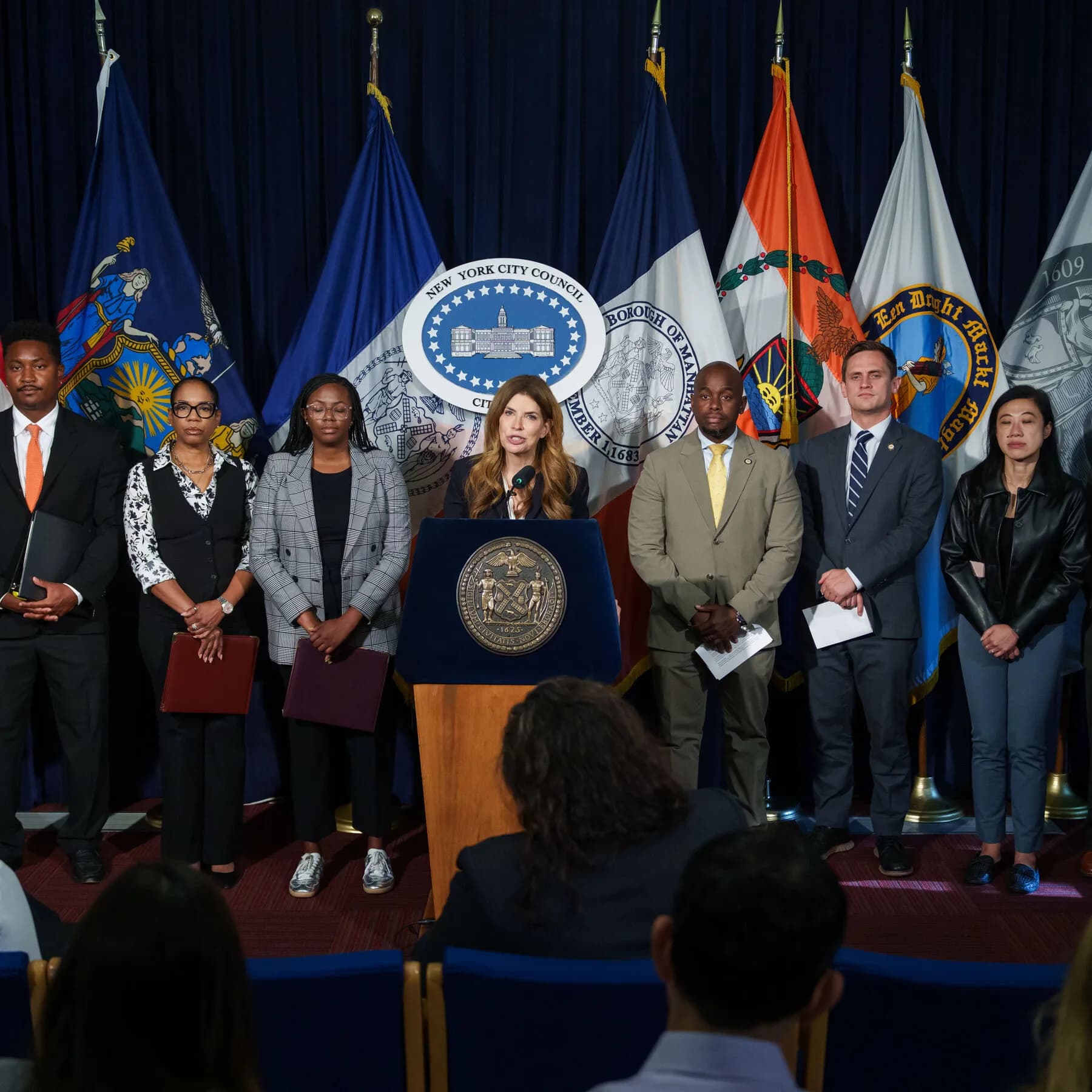
- Council Speaker Julie Menin expressed frustration over the insufficient responses regarding safety commitments and liability.
The context you actually need
- Heightened scrutiny of AI development has emerged due to whistleblower warnings about potential loss of human control over advanced systems.
- Geopolitical competition in AI capabilities is intensifying, with cities like New York positioning themselves as leaders in regulatory oversight.
- Public and regulatory concerns are rising, driven by calls for greater accountability and safety measures in AI deployment.
What's really happening
The New York City Council hearing on October 5, 2026, served as a pivotal moment in the ongoing dialogue about artificial intelligence safety. With representatives from leading AI companies testifying, the event underscored a growing tension between innovation and the need for robust safety measures. Despite the high stakes, executives from OpenAI, Meta, Google, and Anthropic refrained from quantifying the risks associated with their technologies, particularly concerning catastrophic outcomes. This reluctance raises questions about the industry's commitment to transparency and accountability.
The hearing opened with testimony from whistleblowers who painted a dire picture of the industry's practices, describing them as reckless and warning of extinction-level risks if current trajectories continue. These claims were met with a lack of concrete responses from the executives, who emphasized their internal safety protocols but failed to provide numerical assessments of potential catastrophic events. This gap in communication is particularly concerning given the increasing public scrutiny and regulatory pressure surrounding AI technologies.
Council Speaker Julie Menin characterized the executives' responses as insufficiently responsive, highlighting a disconnect between the industry's assurances and the public's demand for accountability. The executives avoided direct commitments on critical issues such as insurance coverage, legal liability for harms, and automatic halts on model deployment following failed safety reviews. This lack of clarity could hinder the development of effective regulatory frameworks, as policymakers struggle to understand the true risks posed by AI technologies.
The implications of this hearing extend beyond New York City. As AI technologies continue to permeate various sectors, the absence of clear risk quantification could lead to a patchwork of regulations that vary significantly across jurisdictions. This inconsistency may stifle innovation and create uncertainty for businesses and consumers alike. Furthermore, the reluctance of industry leaders to engage in meaningful dialogue about risk could fuel public distrust in AI technologies, potentially slowing their adoption and integration into everyday life.
In a landscape where AI capabilities are rapidly advancing, the need for transparent risk assessment and accountability has never been more critical. The outcomes of this hearing may serve as a bellwether for future regulatory efforts, as cities and countries grapple with the challenges posed by powerful AI systems.
Who feels it first (and how)
- Policymakers: Struggling to create effective regulations without clear risk data.
- Tech companies: Facing potential backlash and increased scrutiny from regulators and the public.
- Consumers: Experiencing uncertainty about the safety and reliability of AI technologies.
- Investors: Concerned about the long-term viability of companies that fail to address safety issues.
What to watch next
- Regulatory developments: Monitor for new policies or frameworks emerging from the NYC hearing that could influence AI governance.
- Public sentiment: Watch for shifts in consumer trust and acceptance of AI technologies in response to industry transparency.
- Industry responses: Observe how AI companies adapt their safety protocols and communication strategies following the hearing.
The NYC Council hearing highlighted significant concerns about AI safety and accountability.
Increased regulatory scrutiny and potential legislative actions in response to public and expert testimony.
The long-term impact on innovation and market dynamics as companies navigate regulatory landscapes.
Frequently Asked Questions
- Why it matters?
- The responses from AI executives during the NYC hearing highlight a critical gap in accountability and transparency that could shape future AI regulations.
- What happened (in 30 seconds)?
- On October 5, 2026, New York City Council held a hearing on AI risks, featuring executives from major tech firms. Executives from OpenAI, Meta, Google, and Anthropic declined to provide quantifiable risk assessments for catastrophic scenarios. Council Speaker Julie Menin expressed frustration over the insufficient responses regarding safety commitments and liability.
- What's really happening?
- The New York City Council hearing on October 5, 2026, served as a pivotal moment in the ongoing dialogue about artificial intelligence safety. With representatives from leading AI companies testifying, the event underscored a growing tension between innovation and the need for robust safety measures. Despite the high stakes, executives from OpenAI, Meta, Google, and Anthropic refrained from quantifying the risks associated with their technologies, particularly concerning catastrophic outcomes. T
- Who feels it first (and how)?
- Policymakers: Struggling to create effective regulations without clear risk data. Tech companies: Facing potential backlash and increased scrutiny from regulators and the public. Consumers: Experiencing uncertainty about the safety and reliability of AI technologies. Investors: Concerned about the long-term viability of companies that fail to address safety issues.
- What to watch next?
- Regulatory developments: Monitor for new policies or frameworks emerging from the NYC hearing that could influence AI governance. Public sentiment: Watch for shifts in consumer trust and acceptance of AI technologies in response to industry transparency. Industry responses: Observe how AI companies adapt their safety protocols and communication strategies following the hearing.
Tech business coverage, major deals, product launches, and Silicon Valley trends.
"WSJ’s tech section offers authoritative reporting on the intersection of technology and business, including exclusive industry analysis."
— A47 Editor
AI Cyber Pressure Is on the Rise
The rise of artificial intelligence (AI) has prompted New York City lawmakers to consider implementing regulatory guardrails to address the increasing cyber pressure associated with AI technologies. This move reflects growing concerns about the impli...
Markets, economy, and company analysis from NYT’s business desk.
"The New York Times is a globally recognized newspaper offering authoritative reporting with a center-left editorial stance."
— A47 Editor
A.I. Officials Stonewall on Questions About Technology’s Risks
A New York City Council hearing on artificial intelligence (AI) revealed significant concerns regarding the technology's risks, as industry leaders failed to provide satisfactory answers or assurances about safety measures against potential catastrop...
Technology innovations, startups, and trends.
"ABC News delivers broad national coverage with a mainstream editorial stance, focusing on accessibility and balanced reporting."
— A47 Editor
AI industry insiders voice alarms to NYC council as local governments take up safety concerns
Insiders from the artificial intelligence industry have raised alarms to New York City council members regarding the potential dangers posed by AI technologies, urging for increased regulatory oversight as local governments begin addressing escalatin...
Corporate leadership, finance, technology, and market trends.
"Fortune covers financial trends, leadership, and innovation with a pragmatic editorial approach."
— A47 Editor
It’s ‘more likely than not’ humanity loses control: Former AI insiders testify safety fixes may be ‘duct tape that will fall off later’
Former insiders from leading AI companies, including OpenAI and Anthropic, testified before the New York City Council, expressing grave concerns about the potential loss of control over artificial intelligence technologies. They warned that current s...