
Trump Defers Federal Excise Tax on Red-Dyed Diesel Fuel Until December 2026
Why it matters
This policy aims to alleviate financial pressure on key industries amid rising diesel prices, impacting supply chains and consumer costs.
What happened (in 30 seconds)
- On October 5, 2026, President Trump signed an Executive Order deferring the federal excise tax on red-dyed diesel for on-highway use.
- The tax deferral of 24.4 cents per gallon is effective through December 31, 2026, providing immediate relief to farmers and truckers.
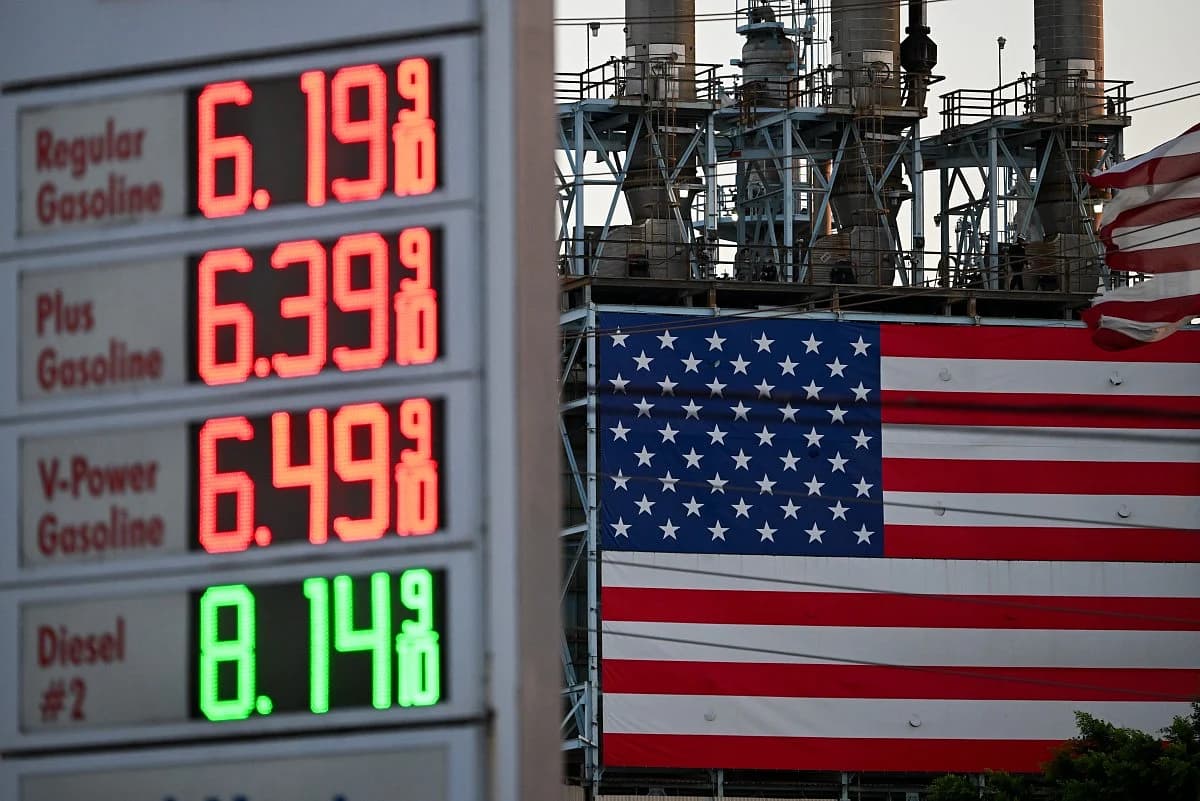
- This measure responds to soaring diesel prices, which exceeded $6 per gallon due to geopolitical tensions and supply disruptions.
The context you actually need
- Diesel prices in the U.S. surged from approximately $3.76 per gallon before the Iran conflict to over $6.30 by late September 2026, driven by global supply issues.
- Red-dyed diesel, typically restricted to off-road use, became a focal point for cost relief as states began implementing similar waivers.
- The Executive Order directs the Treasury to explore permanent elimination of the tax, while state taxes remain unaffected, indicating a temporary fix rather than a long-term solution.
What's really happening
The Executive Order signed by President Trump on October 5, 2026, is a strategic response to the escalating diesel prices that have been affecting the U.S. economy. With diesel prices climbing sharply due to a combination of geopolitical conflicts, including the Iran war, and supply chain disruptions from the Russia-Ukraine war, the administration sought to provide immediate relief to critical sectors such as agriculture and trucking. By deferring the federal excise tax on red-dyed diesel, which is typically used for off-road applications, the government aims to alleviate some of the financial burdens faced by these industries.
The federal excise tax of 24.4 cents per gallon will be deferred until the end of 2026, allowing operators to fill their tanks without the added tax burden. This could translate to savings of approximately $60 for a 250-gallon fill-up, and potentially more if states align their tax policies. However, it is essential to note that this is a deferral rather than a repeal, meaning that the tax obligations will still exist in the future. The order also encourages state governors to implement similar measures, creating a patchwork of tax relief across the country.
While the immediate impact is a reduction in fuel costs for farmers and truckers, analysts have pointed out that this measure does not address the underlying supply constraints that have driven prices up. The deferral may provide short-term cash flow benefits, but it does not solve the long-term issues related to diesel supply and pricing. Furthermore, the lack of widespread governmental opposition suggests a consensus on the need for immediate relief, but the effectiveness of this policy in stabilizing prices remains to be seen.
In summary, while the Executive Order offers temporary financial relief, it highlights the ongoing challenges in the diesel market and the complexities of energy policy in the face of global disruptions. The focus on red-dyed diesel as a solution underscores the need for more comprehensive strategies to address fuel pricing and supply chain stability.
Who feels it first (and how)
- Farmers: Directly benefit from reduced fuel costs during harvest season.
- Truckers: Experience immediate cash flow relief, impacting operational expenses.
- State governments: May need to adjust their tax policies in response to federal measures.
- Consumers: Potentially see slight decreases in goods prices as trucking costs stabilize.
What to watch next
- State-level tax adjustments: Monitor how states respond to the federal deferral and whether they implement similar measures.
- Diesel price trends: Keep an eye on diesel prices in the coming months to assess the effectiveness of the tax deferral.
- Geopolitical developments: Watch for any changes in global conflicts that could further impact diesel supply and pricing.
The federal excise tax on red-dyed diesel is deferred through December 31, 2026.
State governments will consider similar tax relief measures to align with federal actions.
The long-term impact on diesel supply and pricing remains uncertain as underlying issues persist.
Frequently Asked Questions
- Why it matters?
- This policy aims to alleviate financial pressure on key industries amid rising diesel prices, impacting supply chains and consumer costs.
- What happened (in 30 seconds)?
- On October 5, 2026, President Trump signed an Executive Order deferring the federal excise tax on red-dyed diesel for on-highway use. The tax deferral of 24.4 cents per gallon is effective through December 31, 2026, providing immediate relief to farmers and truckers. This measure responds to soaring diesel prices, which exceeded $6 per gallon due to geopolitical tensions and supply disruptions.
- What's really happening?
- The Executive Order signed by President Trump on October 5, 2026, is a strategic response to the escalating diesel prices that have been affecting the U.S. economy. With diesel prices climbing sharply due to a combination of geopolitical conflicts, including the Iran war, and supply chain disruptions from the Russia-Ukraine war, the administration sought to provide immediate relief to critical sectors such as agriculture and trucking. By deferring the federal excise tax on red-dyed diesel, which
- Who feels it first (and how)?
- Farmers: Directly benefit from reduced fuel costs during harvest season. Truckers: Experience immediate cash flow relief, impacting operational expenses. State governments: May need to adjust their tax policies in response to federal measures. Consumers: Potentially see slight decreases in goods prices as trucking costs stabilize.
- What to watch next?
- State-level tax adjustments: Monitor how states respond to the federal deferral and whether they implement similar measures. Diesel price trends: Keep an eye on diesel prices in the coming months to assess the effectiveness of the tax deferral. Geopolitical developments: Watch for any changes in global conflicts that could further impact diesel supply and pricing.
Corporate leadership, finance, technology, and market trends.
"Fortune covers financial trends, leadership, and innovation with a pragmatic editorial approach."
— A47 Editor
Trump’s red-dyed diesel order sounds like a tax cut. Economists say it’s a 24-cent IOU that could raise prices for farmers
President Trump has signed an executive order allowing the use of tax-exempt dyed diesel, which defers a 24.4-cent federal tax on diesel priced at $6.20 per gallon. This measure aims to alleviate rising fuel costs for consumers and businesses amid su...
News across North, Central, and South America including politics and economics.
"France 24 is viewed as a globally focused outlet with balanced coverage and a European perspective."
— A47 Editor
Trump targets tax-free diesel as Republicans approach midterms
President Donald Trump signed an executive order to relax restrictions on tax-free red-dyed diesel, aiming to alleviate fuel prices that are pressuring Republican candidates ahead of the midterm elections. Trump claims this will save farmers millions...
UAE-based newspaper covering Gulf politics, society, and international developments.
"Gulf News is one of the UAE’s most prominent English-language publications."
— A47 Editor
Trump signs order for cheaper, 'red-dyed' diesel — avoids federal highway tax
Former President Donald Trump has signed an executive order aimed at reducing diesel fuel costs by allowing the use of 'red-dyed' diesel, which is exempt from federal highway taxes. This move is part of Trump's broader strategy to influence energy ma...
A curated Gulf News feed featuring major stories across news, business, opinion, and lifestyle.
"Gulf News is a major UAE newspaper whose featured stories feed reflects a broad editorial mix shaped for a Gulf audience."
— A47 Editor
Trump signs order for cheaper, 'red-dyed' diesel — avoids federal highway tax
Former President Donald Trump has signed an executive order aimed at reducing diesel fuel costs by allowing the use of 'red-dyed' diesel, which is exempt from federal highway taxes. This move is part of Trump's broader strategy to influence energy ma...
Macro commentary, policy analysis, growth/inflation themes, and global outlooks.
"Contextual macro coverage that complements day-to-day market headlines."
— A47 Editor
Trump signs order allowing road use of tax-exempt dyed diesel
President Trump has signed an executive order allowing the use of tax-exempt dyed diesel in nonfarm vehicles, waiving the off-road requirement for this fuel. This decision aims to alleviate rising fuel costs for consumers and businesses as diesel pri...