
US Grants Temporary License for Russian Diesel Imports Amid Rising Fuel Prices
Why it matters
This agreement represents a significant shift in U.S. energy policy amidst ongoing geopolitical tensions, impacting global fuel markets.
What happened (in 30 seconds)
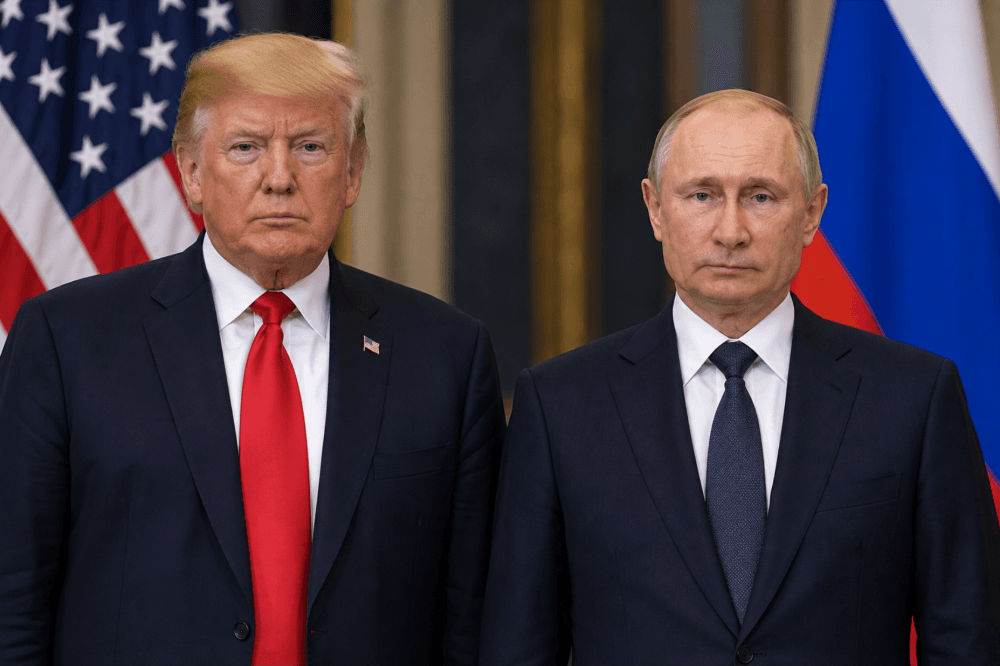
- On October 9, 2026, President Trump announced a deal with President Putin for the supply of over 4.8 million tons of Russian diesel.
- The U.S. Treasury Department issued a temporary license allowing specific transactions involving Russian diesel until April 7, 2027, without lifting broader sanctions.
- U.S. diesel prices have surged to approximately $6.28 per gallon, prompting this move to stabilize costs ahead of midterm elections.
The context you actually need
- The Russia-Ukraine conflict has led to extensive sanctions on Russian energy exports, significantly affecting global fuel supply.
- U.S. diesel prices have been driven higher not only by the conflict in Ukraine but also by supply disruptions from tensions involving Iran.
- Russia's own export restrictions on diesel have compounded the issue, as domestic shortages arose from strikes on refineries.
What's really happening
The recent agreement between the U.S. and Russia to allow the import of Russian diesel is a calculated response to soaring fuel prices that have reached $6.28 per gallon in the U.S. This spike is largely attributed to the ongoing Russia-Ukraine conflict, which has disrupted traditional supply chains and led to extensive Western sanctions targeting Russian energy exports. The U.S. Treasury's issuance of a temporary general license, effective until April 7, 2027, allows for the importation of Russian diesel without lifting broader sanctions, indicating a nuanced approach to energy policy amidst geopolitical tensions.
The deal stipulates a phased supply schedule: starting with over 300,000 tons immediately, followed by 500,000 tons in November, and up to 3 million additional tons based on Russian refinery capacity. This amounts to a total of approximately 4.8 million tons, or 36 million barrels, which is significant but may not drastically alter the global fuel landscape immediately. Analysts suggest that the volumes involved are relatively small compared to overall global demand, which may limit the immediate impact on prices.
Ukrainian President Volodymyr Zelensky has criticized the agreement, labeling it a "gift" to Putin and detrimental to peace efforts. The European Union has also expressed opposition, warning that this could provide additional revenue for Russia's military endeavors. This criticism highlights the delicate balance the U.S. is attempting to strike between addressing domestic fuel price pressures and maintaining a firm stance against Russian aggression.
Moreover, the agreement reflects a broader trend in energy policy where countries may prioritize short-term economic relief over long-term geopolitical considerations. The U.S. has historically imposed strict sanctions on Russian oil and gas imports, but the current economic climate, exacerbated by conflicts in Ukraine and Iran, has prompted a reevaluation of these policies. The temporary license is a strategic maneuver aimed at stabilizing fuel prices ahead of the U.S. midterm elections, showcasing the complex interplay between domestic politics and international relations.
Who feels it first (and how)
- Consumers: Higher diesel prices directly affect transportation costs, impacting everyday expenses.
- Logistics companies: Increased fuel costs can lead to higher operational expenses, affecting pricing strategies.
- Energy sector analysts: They will closely monitor market reactions and price fluctuations resulting from this agreement.
- U.S. political landscape: Midterm election candidates may leverage fuel price trends to influence voter sentiment.
What to watch next
- Fuel price trends: Monitor how this agreement affects diesel prices in the U.S. and globally, as it could influence consumer behavior and economic conditions.
- Geopolitical responses: Watch for reactions from the EU and Ukraine, as further sanctions or diplomatic efforts could arise in response to this deal.
- Market adjustments: Observe how logistics and transportation sectors adapt to potential changes in fuel supply and pricing dynamics.
The U.S. has issued a temporary license for Russian diesel trade.
Fuel prices may stabilize or decrease in the short term due to increased supply.
The long-term implications for U.S.-Russia relations and the ongoing conflict in Ukraine remain uncertain.
Frequently Asked Questions
- Why it matters?
- This agreement represents a significant shift in U.S. energy policy amidst ongoing geopolitical tensions, impacting global fuel markets.
- What happened (in 30 seconds)?
- On October 9, 2026, President Trump announced a deal with President Putin for the supply of over 4.8 million tons of Russian diesel. The U.S. Treasury Department issued a temporary license allowing specific transactions involving Russian diesel until April 7, 2027, without lifting broader sanctions. U.S. diesel prices have surged to approximately $6.28 per gallon, prompting this move to stabilize costs ahead of midterm elections.
- What's really happening?
- The recent agreement between the U.S. and Russia to allow the import of Russian diesel is a calculated response to soaring fuel prices that have reached $6.28 per gallon in the U.S. This spike is largely attributed to the ongoing Russia-Ukraine conflict, which has disrupted traditional supply chains and led to extensive Western sanctions targeting Russian energy exports. The U.S. Treasury's issuance of a temporary general license, effective until April 7, 2027, allows for the importation of Russ
- Who feels it first (and how)?
- Consumers: Higher diesel prices directly affect transportation costs, impacting everyday expenses. Logistics companies: Increased fuel costs can lead to higher operational expenses, affecting pricing strategies. Energy sector analysts: They will closely monitor market reactions and price fluctuations resulting from this agreement. U.S. political landscape: Midterm election candidates may leverage fuel price trends to influence voter sentiment.
- What to watch next?
- Fuel price trends: Monitor how this agreement affects diesel prices in the U.S. and globally, as it could influence consumer behavior and economic conditions. Geopolitical responses: Watch for reactions from the EU and Ukraine, as further sanctions or diplomatic efforts could arise in response to this deal. Market adjustments: Observe how logistics and transportation sectors adapt to potential changes in fuel supply and pricing dynamics.
Coverage of political affairs and regional developments from a Saudi perspective.
"Al Watan political coverage typically follows a mainstream Saudi framing of regional and national issues."
— A47 Editor
الديزل الروسي يذيب جليد العقوبات الأمريكية
Moscow is re-engaging with American economic considerations through a new agreement to supply diesel fuel, which poses a challenge to Western sanctions and adds complexity to the ongoing Ukraine conflict. Following discussions between U.S. President ...
Arabic-language coverage of international news and geopolitics.
"RT Arabic is a Russian state-funded outlet often criticized for promoting Kremlin-aligned narratives."
— A47 Editor
صفقة بوتين وترامب تفتح آفاقا جديدة لصادرات الطاقة الروسية
The agreement between Russian President Vladimir Putin and U.S. President Donald Trump regarding the supply of diesel fuel has opened new opportunities for Russia's energy exports. This development marks a significant collaboration between the two na...
Pan-Arab political news and analysis.
"Al-Quds Al-Arabi is a London-based Arabic newspaper known for political coverage."
— A47 Editor
ترامب يعلن تعهد بوتين بضخ كميات كبيرة من الديزل “للسوقين الأمريكية والعالمية”
U.S. President Donald Trump announced that Russian President Vladimir Putin has committed to supplying millions of tons of diesel fuel to both American and global markets over the coming months, following a highly productive conversation, a statement...
Arabic-language political and world news coverage for UAE readers.
"Emarat Al Youm world coverage usually presents international developments through a UAE and Arab audience lens."
— A47 Editor
ترامب: بوتين تعهد ضخ كميات كبيرة من الديزل "للسوقين الأميركية والعالمية" ترامب: بوتين تعهد ضخ كميات كبيرة من الديزل "للسوقين الأميركية والعالمية"
U.S. President Donald Trump announced that he received approval from Russian President Vladimir Putin to supply large quantities of diesel fuel to both the American and global markets. This agreement signifies a potential increase in fuel availabilit...