
US, Ukrainian, and European Negotiators Engage in Miami Talks to Formulate Ukraine War Resolution
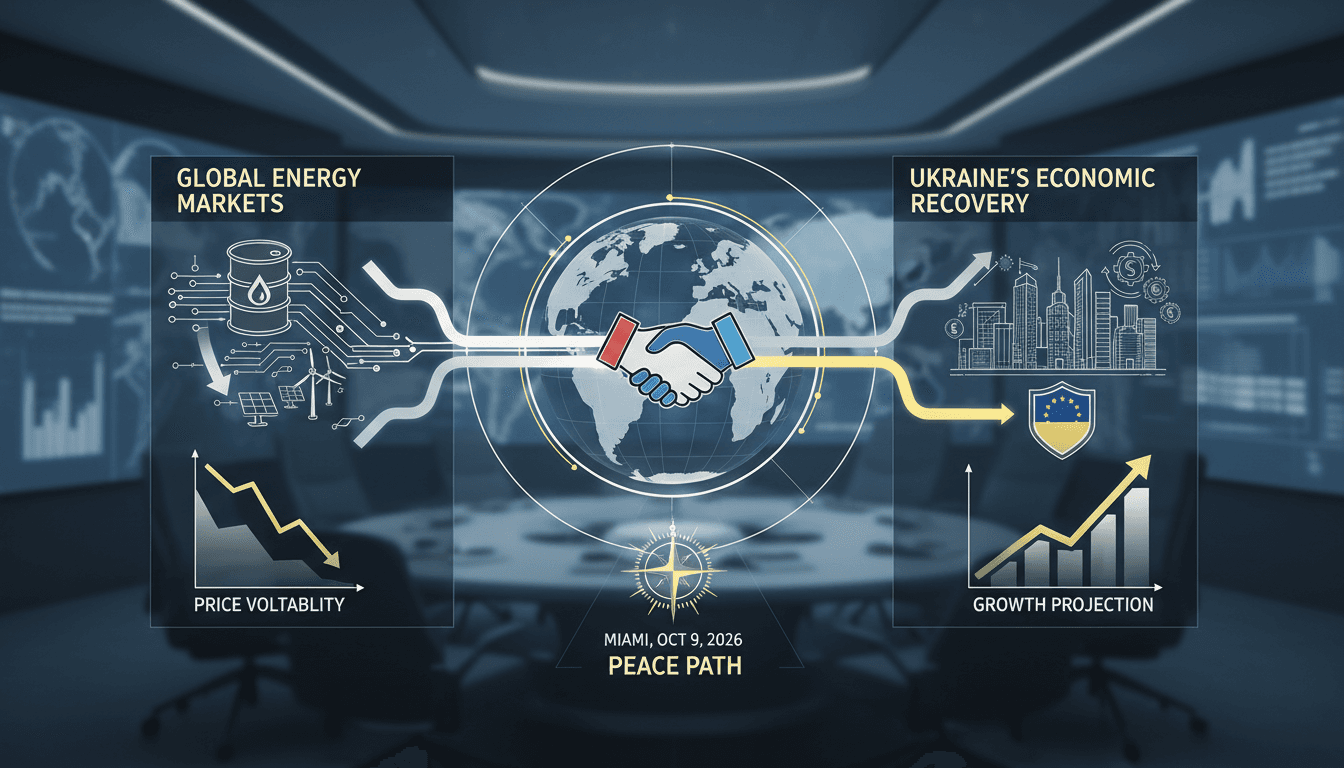
Why it matters
The ongoing conflict in Ukraine has significant implications for global energy markets and geopolitical stability.
What happened (in 30 seconds)
- US, Ukrainian, and European negotiators held six hours of talks in Miami on October 9, 2026, to create a unified proposal to end the Ukraine war.
- Key topics discussed included post-war security guarantees, economic reconstruction, and Ukraine's potential EU accession.
- No breakthrough was announced, but the talks were described as constructive, with further discussions planned.
The context you actually need
- The Russia-Ukraine war has persisted since February 2022, with multiple failed diplomatic efforts to reach a settlement.
- Ukraine demands a full Russian withdrawal from occupied territories, while Russia seeks mutual concessions.
- Winter is approaching, increasing urgency due to risks to energy infrastructure and supply chains.
What's really happening
The Miami talks represent a critical juncture in the ongoing Russia-Ukraine conflict, reflecting a concerted effort by the US, Ukraine, and European allies to forge a unified diplomatic approach. The six-hour negotiation session, which included high-profile US envoys Steve Witkoff and Jared Kushner, aimed to align on key issues that have stalled previous discussions.
The focus on post-war security guarantees is particularly significant, as it addresses Ukraine's need for assurances against future aggression. This is not merely a matter of political rhetoric; the security framework proposed could influence military strategies and defense spending across Europe and the US. The discussions also touched on economic reconstruction plans for Ukraine, which are essential for the country's recovery and stability. A robust economic recovery plan would not only aid Ukraine but also stabilize regional markets, which have been volatile due to the war.
Additionally, the potential pathway for Ukraine's EU accession is a strategic move that could reshape the geopolitical landscape in Eastern Europe. By integrating Ukraine into the EU framework, Western powers aim to strengthen Ukraine's position against Russian influence, thereby altering the balance of power in the region. However, this integration is contingent upon significant reforms within Ukraine and a stable post-war environment.
The urgency of these talks is underscored by the approaching winter, which poses risks to energy supplies and infrastructure. The concurrent US-Russia agreement on diesel supplies indicates a complex interplay of negotiations, where energy security is a pivotal concern. This agreement could stabilize global fuel prices, which is particularly relevant for regions like Dubai that rely heavily on imported fuels.
Despite the constructive nature of the Miami talks, the lack of immediate breakthroughs highlights the challenges ahead. Ukrainian officials have expressed cautious optimism but remain focused on securing verifiable guarantees. The path to peace is fraught with obstacles, including differing priorities among the negotiating parties and the unpredictable nature of Russian responses.
Who feels it first (and how)
- Energy consumers: Residents and businesses in regions reliant on imported fuels may see fluctuations in energy prices based on the outcomes of these negotiations.
- Investors: Those in the energy sector will closely monitor developments for potential impacts on market stability and investment opportunities.
- Ukrainian citizens: The outcome will directly affect their security and economic recovery prospects, influencing daily life and future opportunities.
What to watch next
- Further negotiations: Watch for announcements regarding follow-up talks and any shifts in the negotiating positions of the involved parties, as these will indicate the likelihood of a breakthrough.
- Energy market reactions: Monitor global fuel prices and supply chain developments, especially in light of the US-Russia diesel agreement, which could signal broader market trends.
- Ukrainian reforms: Keep an eye on Ukraine's domestic reforms aimed at EU integration, as these will be crucial for both economic recovery and political stability.
The Miami talks were constructive but did not yield immediate breakthroughs.
Further discussions will take place, focusing on security guarantees and economic plans.
The specific responses from Russia and the impact on energy markets remain uncertain.
Frequently Asked Questions
- Why it matters?
- The ongoing conflict in Ukraine has significant implications for global energy markets and geopolitical stability.
- What happened (in 30 seconds)?
- US, Ukrainian, and European negotiators held six hours of talks in Miami on October 9, 2026, to create a unified proposal to end the Ukraine war. Key topics discussed included post-war security guarantees, economic reconstruction, and Ukraine's potential EU accession. No breakthrough was announced, but the talks were described as constructive, with further discussions planned.
- What's really happening?
- The Miami talks represent a critical juncture in the ongoing Russia-Ukraine conflict, reflecting a concerted effort by the US, Ukraine, and European allies to forge a unified diplomatic approach. The six-hour negotiation session, which included high-profile US envoys Steve Witkoff and Jared Kushner, aimed to align on key issues that have stalled previous discussions. The focus on post-war security guarantees is particularly significant, as it addresses Ukraine's need for assurances against fut
- Who feels it first (and how)?
- Energy consumers: Residents and businesses in regions reliant on imported fuels may see fluctuations in energy prices based on the outcomes of these negotiations. Investors: Those in the energy sector will closely monitor developments for potential impacts on market stability and investment opportunities. Ukrainian citizens: The outcome will directly affect their security and economic recovery prospects, influencing daily life and future opportunities.
- What to watch next?
- Further negotiations: Watch for announcements regarding follow-up talks and any shifts in the negotiating positions of the involved parties, as these will indicate the likelihood of a breakthrough. Energy market reactions: Monitor global fuel prices and supply chain developments, especially in light of the US-Russia diesel agreement, which could signal broader market trends. Ukrainian reforms: Keep an eye on Ukraine's domestic reforms aimed at EU integration, as these will be crucial for both ec
Arabic-language coverage of political affairs and current events.
"Okaz political coverage typically follows mainstream Saudi framing on national and regional affairs."
— A47 Editor
ميامي تبحث عن اختراق.. 6 ساعات من المفاوضات لإنهاء حرب أوكرانيا
American, European, and Ukrainian negotiators held six hours of talks in Miami, aiming to reach a unified proposal to end the war in Ukraine. The discussions included U.S. envoys Steve Witkoff and Jared Kushner, focusing on post-war support for Ukrai...
Arabic-language coverage of international news and geopolitics.
"RT Arabic is a Russian state-funded outlet often criticized for promoting Kremlin-aligned narratives."
— A47 Editor
محادثات ميامي تبحث تسوية حرب أوكرانيا وترتيبات الأمن الأوروبي وسط غياب روسيا
American, Ukrainian, and European officials convened in Miami, Florida, to discuss proposals aimed at ending the ongoing war in Ukraine, alongside security guarantees for Kyiv and broader arrangements for European security.
Arabic-language coverage of international news and geopolitics.
"RT Arabic is a Russian state-funded outlet often criticized for promoting Kremlin-aligned narratives."
— A47 Editor
ويتكوف: واشنطن ناقشت مع كييف وأوروبا و "الناتو" إنهاء الصراع في أوكرانيا قبل الشتاء
U.S. envoy Steve Witkoff announced that representatives from the United States, Ukraine, Europe, and NATO discussed ways to de-escalate and end the conflict in Ukraine before winter during a meeting in Miami on Friday.