
NATO Supreme Allied Commander Outlines Military Strategy Amid Russian Tensions
Why it matters
The evolving NATO strategy signals a shift in European security dynamics that could impact global markets and energy prices.
What happened (in 30 seconds)
- Gen. Alexus G. Grynkewich outlined NATO's readiness to respond to threats at the Warsaw Security Forum on October 12, 2026.
- Russia's rejection of a Ukrainian truce proposal has heightened concerns over hybrid warfare tactics in Europe.
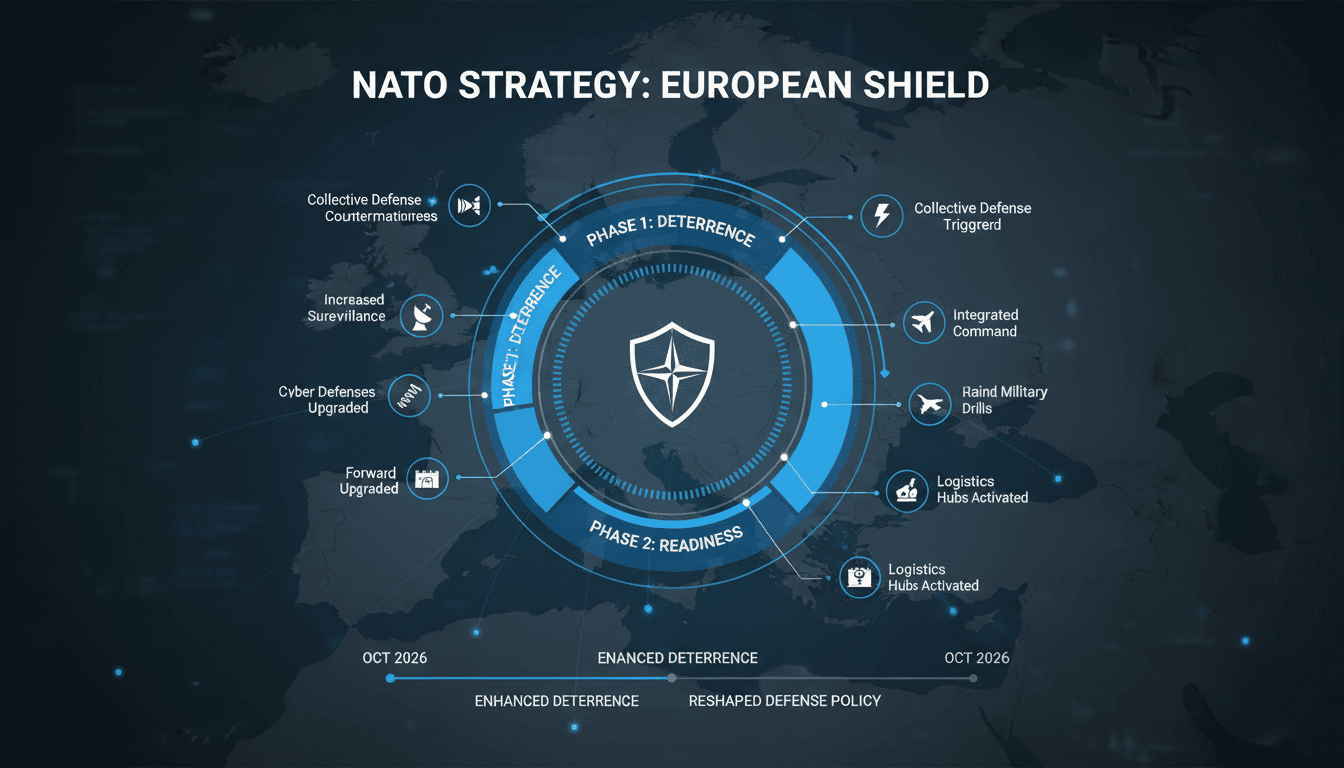
- NATO's 'theory of victory' emphasizes a phased response strategy to deter and counter potential Russian aggression.
The context you actually need
- NATO identifies Russia as its primary threat, following years of conflict with Ukraine and increased hybrid operations reported in 2025-2026.
- Poland hosts approximately 10,000 U.S. troops, serving as a critical logistics hub for Ukraine aid and a frontline against potential Russian advances.
- European leaders are calling for greater self-reliance and pressure on Moscow, reflecting skepticism about long-term U.S. commitment to NATO.
What's really happening
Gen. Grynkewich's address at the Warsaw Security Forum comes at a pivotal moment for NATO, as the alliance grapples with the implications of Russia's ongoing aggression in Ukraine. His assertion that NATO is "ready to fight tonight" underscores a commitment to deterrence through preparedness, a strategy that has gained urgency amid rising hybrid threats from Russia. These threats include cyberattacks, sabotage, and drone incursions, which have escalated in recent years, prompting NATO to rethink its defensive posture.
The "theory of victory" articulated by Grynkewich is a multi-faceted approach that combines advanced technology with traditional military capabilities. By integrating sensors, autonomous systems, and precision munitions, NATO aims to create a robust defense mechanism that can effectively counter initial attacks. The strategy involves three key phases: blocking an attack, blunting enemy advances, and breaking through enemy forces and their supporting infrastructure if necessary. This layered defense is designed to ensure that NATO can respond swiftly and effectively to any aggression.
The geopolitical landscape is further complicated by the historical context of U.S. leadership under President Trump, which raised questions about the commitment levels of NATO allies. Grynkewich's remarks serve to reassure European nations of U.S. support, countering fears of potential withdrawal. However, the call for increased European self-reliance reflects a growing recognition that NATO members must bolster their own defenses in the face of persistent threats.
As tensions continue to simmer, the implications for global markets, particularly in energy, are significant. Sustained conflict or heightened military readiness could lead to fluctuations in energy prices, impacting economies worldwide. For businesses and investors, understanding these dynamics is crucial for navigating potential risks and opportunities in a rapidly changing geopolitical environment.
Who feels it first (and how)
- European governments: Increased military spending and strategic realignments.
- Energy sector: Potential fluctuations in oil and gas prices due to heightened tensions.
- Defense contractors: Opportunities for increased contracts and investments in military technology.
- Businesses with global supply chains: Risks associated with disruptions in trade routes and logistics.
What to watch next
- NATO military exercises: Monitor upcoming drills and their scale, as they may indicate readiness levels and strategic shifts.
- Russian military movements: Keep an eye on troop deployments and activities near NATO borders, which could signal escalation.
- European defense budgets: Watch for announcements regarding increased military spending, reflecting a shift towards greater self-reliance.
NATO's commitment to deterrence and readiness in the face of Russian aggression.
Increased military spending and strategic realignments among European NATO members.
The long-term implications of U.S. commitment to NATO under changing political leadership.
Frequently Asked Questions
- Why it matters?
- The evolving NATO strategy signals a shift in European security dynamics that could impact global markets and energy prices.
- What happened (in 30 seconds)?
- Gen. Alexus G. Grynkewich outlined NATO's readiness to respond to threats at the Warsaw Security Forum on October 12, 2026. Russia's rejection of a Ukrainian truce proposal has heightened concerns over hybrid warfare tactics in Europe. NATO's 'theory of victory' emphasizes a phased response strategy to deter and counter potential Russian aggression.
- What's really happening?
- Gen. Grynkewich's address at the Warsaw Security Forum comes at a pivotal moment for NATO, as the alliance grapples with the implications of Russia's ongoing aggression in Ukraine. His assertion that NATO is "ready to fight tonight" underscores a commitment to deterrence through preparedness, a strategy that has gained urgency amid rising hybrid threats from Russia. These threats include cyberattacks, sabotage, and drone incursions, which have escalated in recent years, prompting NATO to rethink
- Who feels it first (and how)?
- European governments: Increased military spending and strategic realignments. Energy sector: Potential fluctuations in oil and gas prices due to heightened tensions. Defense contractors: Opportunities for increased contracts and investments in military technology. Businesses with global supply chains: Risks associated with disruptions in trade routes and logistics.
- What to watch next?
- NATO military exercises: Monitor upcoming drills and their scale, as they may indicate readiness levels and strategic shifts. Russian military movements: Keep an eye on troop deployments and activities near NATO borders, which could signal escalation. European defense budgets: Watch for announcements regarding increased military spending, reflecting a shift towards greater self-reliance.
Conservative-leaning political and national coverage.
"The Washington Times is a conservative-leaning newspaper known for its political coverage and advocacy of right-of-center viewpoints."
— A47 Editor
'Ready to fight tonight': NATO's top general says the alliance would win a war with Russia
NATO's top commander, U.S. Gen. Alexus Grynkewich, declared that the alliance is prepared to engage in combat if Russia initiates an attack, outlining a strategy for victory against Russian forces. This statement marks a significant escalation in NAT...
Global political, business, and cultural coverage from WSJ international desks.
"The Wall Street Journal offers extensive international reporting with a reputation for financial insight and a center-right editorial stance."
— A47 Editor
NATO’s Top Commander Lays Out Plan to Thwart a Russian Attack on the Alliance
NATO's top military commander, Gen. Alexus Grynkewich, has outlined a comprehensive strategy to counter potential Russian aggression against the alliance, emphasizing the need to disrupt Russia's ability to coordinate and support its military forces....
European current affairs, EU politics, and regional developments.
"France 24 is viewed as a globally focused outlet with balanced coverage and a European perspective."
— A47 Editor
NATO's top US commander warns Russia that any 'foolish' attack on allies would be 'futile'
NATO's top US military commander in Europe issued a stark warning to Russia, stating that any 'foolish' attack on NATO allies would be 'utterly futile.' This statement reflects growing concerns in Europe regarding the potential threats posed by Russi...
European current affairs, EU politics, and regional developments.
"France 24 is viewed as a globally focused outlet with balanced coverage and a European perspective."
— A47 Editor
REPLAY: NATO's top military commander warns Russia over alleged sabotage
NATO's top military commander, US General Alexus Grynkewich, issued a warning to Russia regarding its alleged sabotage efforts against Ukraine and its allies during a press conference in Warsaw. This statement comes amid escalating military actions b...
European current affairs, EU politics, and regional developments.
"France 24 is viewed as a globally focused outlet with balanced coverage and a European perspective."
— A47 Editor
NATO top commander to warn Russia over alliance’s ability to counter-attack
NATO's top military commander, US General Alexus Grynkewich, is set to deliver a warning to Russia regarding the alliance's capability to counter any potential attacks during a security conference in Warsaw. This announcement comes amid rising tensio...