
Iran threatens to target US technology infrastructure in Gulf if military actions resume
Why it matters
The stability of US technology infrastructure in the Gulf is crucial for global supply chains and economic health.
What happened (in 30 seconds)
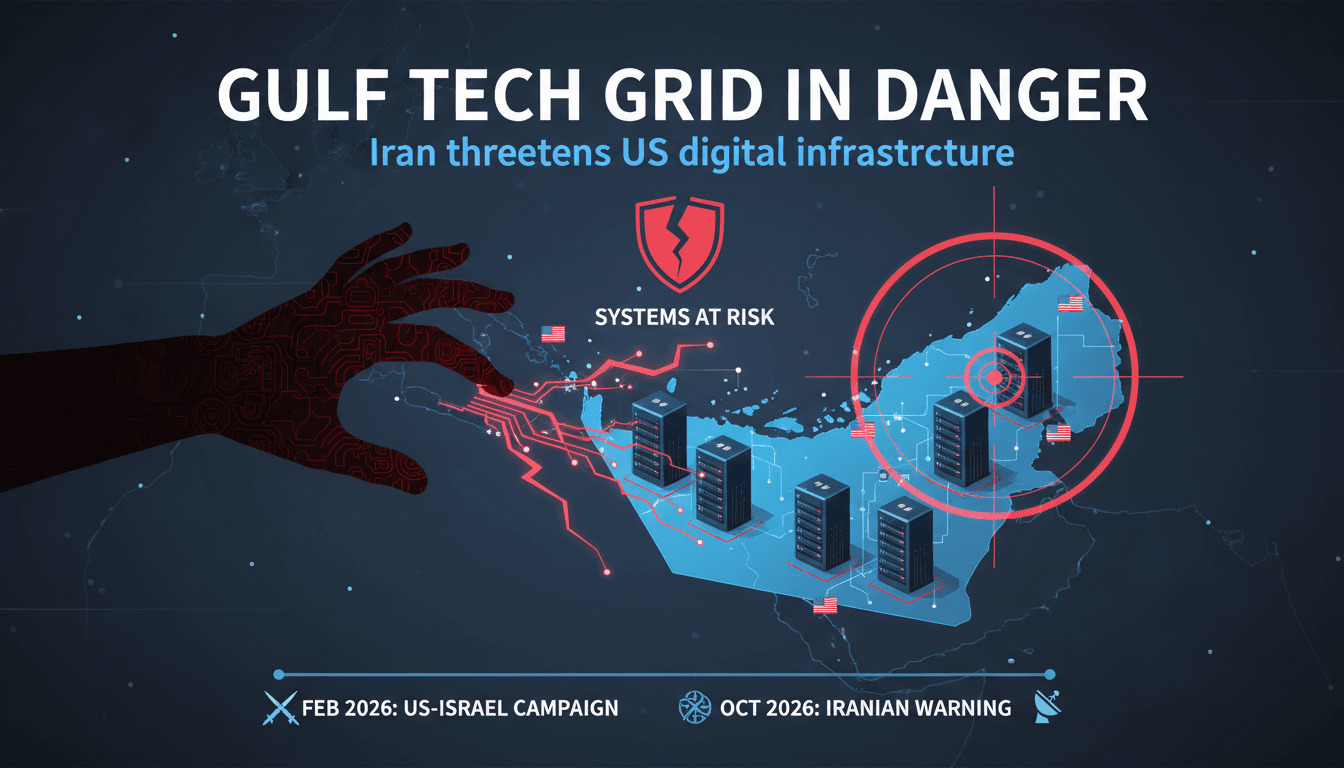
- Iranian security chief Mohsen Rezaei issued a warning on October 12, 2026, threatening to target US data centers and AI facilities in the Gulf if military actions resume.
- The warning follows ongoing tensions from a US-Israel military campaign against Iran that began in February 2026, leading to a naval blockade and disrupted shipping in the Strait of Hormuz.
- Rezaei emphasized Iran's readiness to escalate its military response, indicating that US technology assets valued at over $2 trillion could be at risk.
The context you actually need
- Diplomatic negotiations are stalled, with Iran presenting conditions for conflict resolution that the US has deemed insufficient.
- The Strait of Hormuz is a critical chokepoint for global oil and data traffic, making any disruption potentially impactful on a worldwide scale.
- Previous military actions have already affected regional tech infrastructure, with documented strikes on AWS facilities in the UAE and Bahrain.
What's really happening
The warning from Mohsen Rezaei is not just a rhetorical flourish; it reflects a strategic calculus by Iran in response to perceived aggression from the US and its allies. The US-Israel military campaign against Iran, which began in February 2026, has escalated tensions significantly. The ongoing naval blockade of Iranian ports and disruptions in the Strait of Hormuz have created a precarious situation for both regional and global economies.
Rezaei's statement highlights a shift in Iran's military posture. By threatening to target US technology infrastructure, Iran signals its willingness to escalate the conflict beyond traditional military engagements. The assets in question—data centers, AI facilities, and undersea cables—are not just military targets; they are integral to the functioning of the global economy. The estimated $2 trillion value of these assets underscores their importance.
Iran's strategy appears to be twofold: first, to deter further US military action by showcasing its capability to inflict significant economic damage, and second, to leverage its position in ongoing diplomatic negotiations. By emphasizing that it has withheld certain military capabilities in previous phases, Iran aims to project strength while still leaving room for negotiation.
The implications of this warning extend beyond military considerations. If hostilities resume, the potential for service outages and economic ripple effects in the UAE and surrounding regions could be substantial. Telecommunications, cloud computing, and AI operations could all face disruptions, affecting businesses and consumers alike. The prior documented strikes on AWS facilities serve as a reminder of how quickly the situation can escalate.
Moreover, the fluctuating oil prices, with Brent crude exceeding $106 per barrel, indicate that market participants are already reacting to the heightened tensions. Saudi Aramco has noted increased pressure on energy supply chains, which could further complicate the economic landscape in the Gulf.
In summary, the warning from Iran is a calculated move that seeks to reshape the dynamics of the ongoing conflict while also positioning Iran as a key player in the region's geopolitical landscape. The potential targeting of US technology infrastructure adds a new layer of complexity to an already volatile situation.
Who feels it first (and how)
- Tech companies: Firms relying on Gulf region data services may experience service disruptions.
- Investors: Those with stakes in Gulf infrastructure or energy markets could see volatility in asset values.
- Consumers: Residents in the UAE may face outages affecting daily services and economic activities.
What to watch next
- Diplomatic negotiations: Monitor any breakthroughs or escalations in talks mediated by countries like Pakistan and Qatar, as these will influence regional stability.
- Military movements: Keep an eye on US and Iranian military deployments in the Gulf, as changes could signal an impending conflict.
- Market reactions: Watch for fluctuations in oil prices and tech stock valuations, which will reflect investor sentiment regarding the ongoing tensions.
Iran has issued a warning targeting US technology infrastructure in the Gulf.
Continued diplomatic efforts will occur, but tensions may escalate if military actions resume.
The exact impact on global supply chains and local economies remains to be seen.
Frequently Asked Questions
- Why it matters?
- The stability of US technology infrastructure in the Gulf is crucial for global supply chains and economic health.
- What happened (in 30 seconds)?
- Iranian security chief Mohsen Rezaei issued a warning on October 12, 2026, threatening to target US data centers and AI facilities in the Gulf if military actions resume. The warning follows ongoing tensions from a US-Israel military campaign against Iran that began in February 2026, leading to a naval blockade and disrupted shipping in the Strait of Hormuz. Rezaei emphasized Iran's readiness to escalate its military response, indicating that US technology assets valued at over $2 trillion could
- What's really happening?
- The warning from Mohsen Rezaei is not just a rhetorical flourish; it reflects a strategic calculus by Iran in response to perceived aggression from the US and its allies. The US-Israel military campaign against Iran, which began in February 2026, has escalated tensions significantly. The ongoing naval blockade of Iranian ports and disruptions in the Strait of Hormuz have created a precarious situation for both regional and global economies. Rezaei's statement highlights a shift in Iran's milita
- Who feels it first (and how)?
- Tech companies: Firms relying on Gulf region data services may experience service disruptions. Investors: Those with stakes in Gulf infrastructure or energy markets could see volatility in asset values. Consumers: Residents in the UAE may face outages affecting daily services and economic activities.
- What to watch next?
- Diplomatic negotiations: Monitor any breakthroughs or escalations in talks mediated by countries like Pakistan and Qatar, as these will influence regional stability. Military movements: Keep an eye on US and Iranian military deployments in the Gulf, as changes could signal an impending conflict. Market reactions: Watch for fluctuations in oil prices and tech stock valuations, which will reflect investor sentiment regarding the ongoing tensions.
RT is a Russian state-funded network covering global events from a Russian perspective.
"RT is widely criticized for promoting pro-Kremlin narratives and is considered by many to be a state propaganda outlet."
— A47 Editor
Iran will destroy US data centers and AI facilities if attacked again – security chief
Iran's security chief, Mohsen Rezaei, has issued a stark warning that the country will target US data centers, AI facilities, and undersea cables in the Gulf if the US conducts further attacks. This statement reflects escalating tensions between Iran...
Corporate leadership, finance, technology, and market trends.
"Fortune covers financial trends, leadership, and innovation with a pragmatic editorial approach."
— A47 Editor
Senior Iranian official threatens to attack cables, data centers, and AI facilities in the region if the war escalates sharply again
A senior Iranian official has issued a warning that Iran may target cables, data centers, and AI facilities in the region if the conflict escalates further. This statement reflects Tehran's dissatisfaction with the recent U.S. response, which it deem...
Arabic-language coverage of international news and geopolitics.
"RT Arabic is a Russian state-funded outlet often criticized for promoting Kremlin-aligned narratives."
— A47 Editor
رضائي: إيران ستدمر الكابلات ومراكز البيانات الأمريكية في المنطقة إذا تجددت الحرب
Mohsen Rezai, the Secretary of Iran's Supreme National Security Council, has threatened to destroy American digital infrastructure in the region if Washington resumes military operations against Tehran. This statement underscores the escalating tensi...