
Ukraine's Defense Strategy Relies Heavily on U.S. Intelligence and Starlink Amid Ongoing Conflict
Why it matters
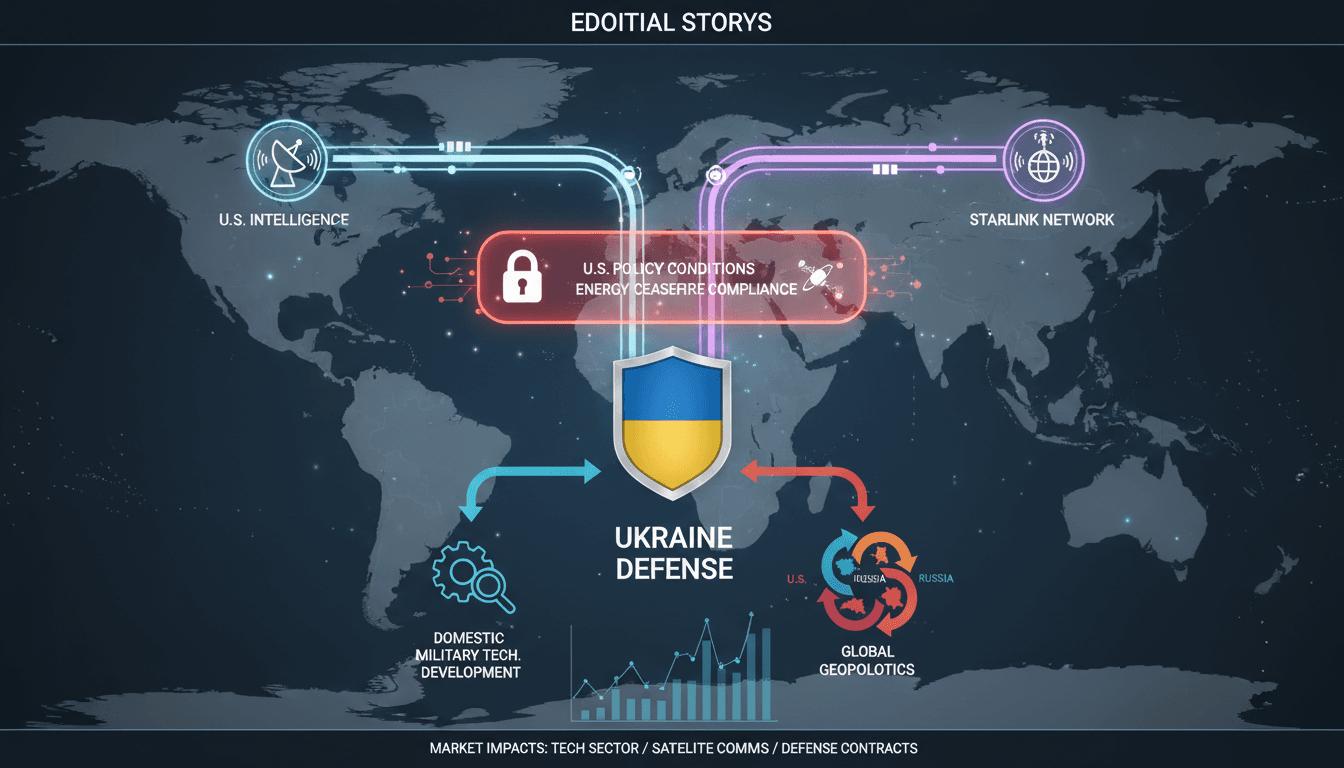
The reliance on U.S. intelligence and satellite systems underscores strategic vulnerabilities in Ukraine's defense, affecting global energy markets.
What happened (in 30 seconds)
- U.S. intelligence and Starlink are critical for Ukraine's military operations against Russia, providing essential data and communication.
- Recent disruptions in satellite communications have hindered Ukraine's drone operations and missile defense capabilities.
- U.S. policy conditions on energy ceasefires have led to throttled access to these vital resources, raising concerns about Ukraine's operational effectiveness.
The context you actually need
- The Russia-Ukraine war has been ongoing since 2022, with extensive U.S. military support fluctuating based on political dynamics.
- Ukrainian forces have developed some domestic alternatives, but they lack the precision and reliability of U.S. systems.
- Recent U.S. policy shifts have linked military aid to Ukraine's actions regarding energy infrastructure, creating a precarious balance in support.
What's really happening
The ongoing conflict between Ukraine and Russia has revealed a complex web of dependencies, particularly on U.S. military intelligence and satellite communications. As of October 2026, Ukraine's military operations have become increasingly reliant on U.S. assets, notably Starlink, which provides critical battlefield communications and intelligence. Recent reports indicate that Ukrainian forces have faced significant operational challenges due to throttled access to Starlink services and gaps in missile warning data from U.S. intelligence.
These disruptions have been linked to U.S. policy conditions that require Ukraine to halt strikes on Russian energy infrastructure in exchange for continued military support. This strategic leverage allows the U.S. to influence Ukraine's military decisions, but it also exposes vulnerabilities in Ukraine's defense capabilities. While Ukraine has made strides in developing its own systems, they cannot match the precision or reliability of U.S. satellite intelligence, which is supported by an estimated 300-500 military satellites providing superior coverage compared to European alternatives.
The implications of these developments extend beyond the battlefield. As Ukraine's ability to conduct effective military operations is compromised, the potential for increased Russian aggression looms larger. This situation creates a ripple effect in global energy markets, particularly as Ukraine has been involved in strikes against Russian refineries. Disruptions in these operations could stabilize global diesel supplies and moderate oil price spikes, indirectly benefiting energy trading hubs like Dubai.
Moreover, the ongoing negotiations and conditions set by U.S. officials have raised concerns among European NATO members about potential lapses in aid. The volatility in global energy prices, tied to these military dynamics, could have far-reaching consequences for economies reliant on stable energy supplies.
Who feels it first (and how)
- Ukrainian military officials: Directly impacted by intelligence gaps and operational limitations.
- Energy sector stakeholders: Companies and traders monitoring global oil prices and supply chains.
- NATO allies: European nations concerned about the implications of U.S. policy on collective security and support for Ukraine.
What to watch next
- U.S. policy shifts: Monitor any changes in U.S. conditions for military aid, as they will directly affect Ukraine's operational capabilities.
- Energy market reactions: Watch for fluctuations in global diesel prices and supply stability, particularly in relation to Ukrainian military actions.
- Ukrainian military developments: Keep an eye on advancements in Ukraine's domestic military capabilities and their effectiveness in the ongoing conflict.
U.S. intelligence and Starlink are critical for Ukraine's defense.
Continued U.S. policy conditions will affect Ukraine's military strategy and operations.
The long-term impact on global energy markets and pricing stability.
Frequently Asked Questions
- Why it matters?
- The reliance on U.S. intelligence and satellite systems underscores strategic vulnerabilities in Ukraine's defense, affecting global energy markets.
- What happened (in 30 seconds)?
- U.S. intelligence and Starlink are critical for Ukraine's military operations against Russia, providing essential data and communication. Recent disruptions in satellite communications have hindered Ukraine's drone operations and missile defense capabilities. U.S. policy conditions on energy ceasefires have led to throttled access to these vital resources, raising concerns about Ukraine's operational effectiveness.
- What's really happening?
- The ongoing conflict between Ukraine and Russia has revealed a complex web of dependencies, particularly on U.S. military intelligence and satellite communications. As of October 2026, Ukraine's military operations have become increasingly reliant on U.S. assets, notably Starlink, which provides critical battlefield communications and intelligence. Recent reports indicate that Ukrainian forces have faced significant operational challenges due to throttled access to Starlink services and gaps in
- Who feels it first (and how)?
- Ukrainian military officials: Directly impacted by intelligence gaps and operational limitations. Energy sector stakeholders: Companies and traders monitoring global oil prices and supply chains. NATO allies: European nations concerned about the implications of U.S. policy on collective security and support for Ukraine.
- What to watch next?
- U.S. policy shifts: Monitor any changes in U.S. conditions for military aid, as they will directly affect Ukraine's operational capabilities. Energy market reactions: Watch for fluctuations in global diesel prices and supply stability, particularly in relation to Ukrainian military actions. Ukrainian military developments: Keep an eye on advancements in Ukraine's domestic military capabilities and their effectiveness in the ongoing conflict.
Global political, business, and cultural coverage from WSJ international desks.
"The Wall Street Journal offers extensive international reporting with a reputation for financial insight and a center-right editorial stance."
— A47 Editor
The Weapons and Intel That Only the U.S. Can Give to Ukraine
Ukraine continues to rely heavily on U.S. military support, particularly American intelligence and systems like Starlink, which are crucial for its defense against ongoing Russian aggression. However, recent reports indicate that SpaceX has imposed n...
Reports on climate change, environmental science, sustainability, and nature.
"BBC News is widely regarded as a reputable international news organization, known for its impartial tone and public service mandate."
— A47 Editor
Why is Starlink internet so important on the battlefield in Ukraine?
Starlink internet has become a crucial component of military communications in Ukraine, providing high-speed connectivity essential for operations across the country amid ongoing conflict.
International coverage of politics, culture, and current affairs.
"BBC News is widely regarded as a reputable international news organization, known for its impartial tone and public service mandate."
— A47 Editor
Why is Starlink internet so important on the battlefield in Ukraine?
Starlink internet has become a crucial component of military communications in Ukraine, providing high-speed connectivity essential for operations across the country amid ongoing conflict.
24/7 international news from a French perspective in multiple languages.
"France 24 is viewed as a globally focused outlet with balanced coverage and a European perspective."
— A47 Editor
Ukraine asking US, SpaceX and NATO to clarify Starlink limitations
Ukraine is seeking clarification from the US, SpaceX, and NATO regarding limitations on its access to the Starlink satellite internet system, as Ukrainian troops report disruptions in drone operations due to connectivity issues when traveling at high...