
Azerbaijan Implements Secular School Uniform Policy Sparking Protests and Turkish Diplomatic Tensions
The Vibe
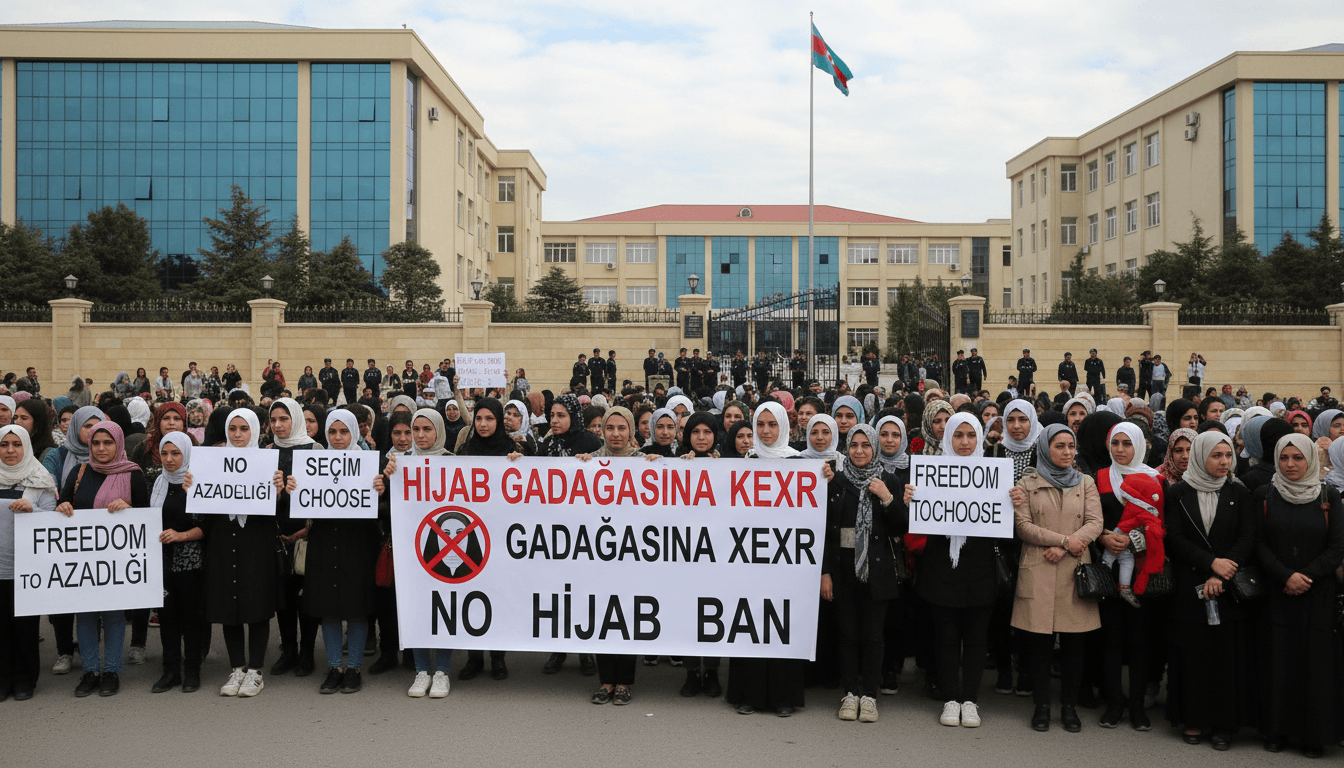
Azerbaijan's recent enforcement of secular school uniform rules has ignited public protests and diplomatic tensions, highlighting a cultural clash over identity and governance.
What it signals
This shift underscores a broader struggle between secular governance and religious expression in education. As Azerbaijan tightens its secular framework, it reflects a growing trend among nations grappling with the balance of modernity and tradition, impacting social cohesion and international relations.
Why it's happening now
1. The Azerbaijani government, under President Ilham Aliyev, is reinforcing secularism to maintain control and suppress dissent, particularly as it faces internal pressures from religious groups.
2. Diplomatic relations with Turkey, a key ally, are being tested as Turkish officials criticize the headscarf ban, revealing the complexities of regional alliances and the influence of cultural identity on foreign policy.
3. The rise of public protests indicates a generational shift, with younger citizens increasingly vocal about their rights and freedoms, challenging the status quo in a traditionally authoritarian context.
Who it's for (and who it leaves out)
The core beneficiaries of this policy are the Azerbaijani government and secular advocates who prioritize a unified national identity. Conversely, the policy marginalizes religious minorities and those advocating for personal freedoms, particularly women who choose to wear headscarves.
What to watch next
1. Monitor the evolution of public sentiment in Azerbaijan, particularly among youth and activists, as they continue to challenge government policies.
2. Observe the diplomatic fallout with Turkey and how it may influence Azerbaijan's foreign relations and internal policies moving forward.
Azerbaijan's enforcement of secular school uniform rules has led to public protests and detentions.
Diplomatic tensions with Turkey will continue as both nations navigate their cultural and political differences.
The long-term impact on Azerbaijan's internal stability and public sentiment regarding secularism remains to be seen.
International coverage of politics, culture, and current affairs.
"BBC News is widely regarded as a reputable international news organization, known for its impartial tone and public service mandate."
— A47 Editor
School headscarf ban sparks rare protests in Azerbaijan and row with Turkey
Protests have erupted in Azerbaijan as students express their discontent over a new dress code that prohibits the wearing of hijabs in schools. This ban has led to pupils being turned away from educational institutions, igniting significant unrest am...
Arabic-language reporting on global and regional news.
"BBC Arabic is part of the BBC, generally regarded for editorial standards and broad international coverage."
— A47 Editor
"حظر الحجاب" يفجر أزمة في أذربيجان، وتحذيرات لتركيا من التدخل، فما الذي جاء في القرار الرسمي؟
Azerbaijan is experiencing a significant crisis regarding the ban on hijabs in educational institutions, leading to internal protests and a firm rejection of external interference, particularly from Turkey. The government has reiterated its commitmen...
Regional coverage and analysis focused on politics, diplomacy, and business across the Middle East.
"Al-Monitor is known for analytical reporting on Middle East politics and policy developments."
— A47 Editor
Iran mum as Azerbaijan’s school hijab ban, Israel ties test alliance with Turkey
Azerbaijan has implemented a ban on hijabs in schools, leading to protests among students who view the restrictions as an infringement on their rights. This development has sparked a public disagreement with Turkey, highlighting underlying tensions i...