
US Proposes Unfreezing Russian Assets to Facilitate Ukraine Peace Talks
Why it matters
This proposal could redefine the dynamics of international sanctions and peace negotiations, impacting global financial markets.
What happened (in 30 seconds)
- On October 9-10, 2026, US negotiators proposed unfreezing €260-300 billion in Russian sovereign assets to incentivize peace talks with Ukraine.
- European allies rejected the proposal, unwilling to relinquish control over the assets or allow any return of funds to Russia.
- Ongoing discussions about asset use within broader peace frameworks continue, despite the rejection.
The context you actually need
- Following Russia’s 2022 invasion of Ukraine, G7 and EU countries froze approximately €260-300 billion in Russian assets, primarily held in European depositories.
- Previous US proposals included economic incentives for partial ceasefires, such as asset unfreezing and sanctions relief, indicating a shift towards negotiation through financial means.
- European officials have consistently opposed any asset release, emphasizing the legal and reputational risks associated with returning funds to Russia.
What's really happening
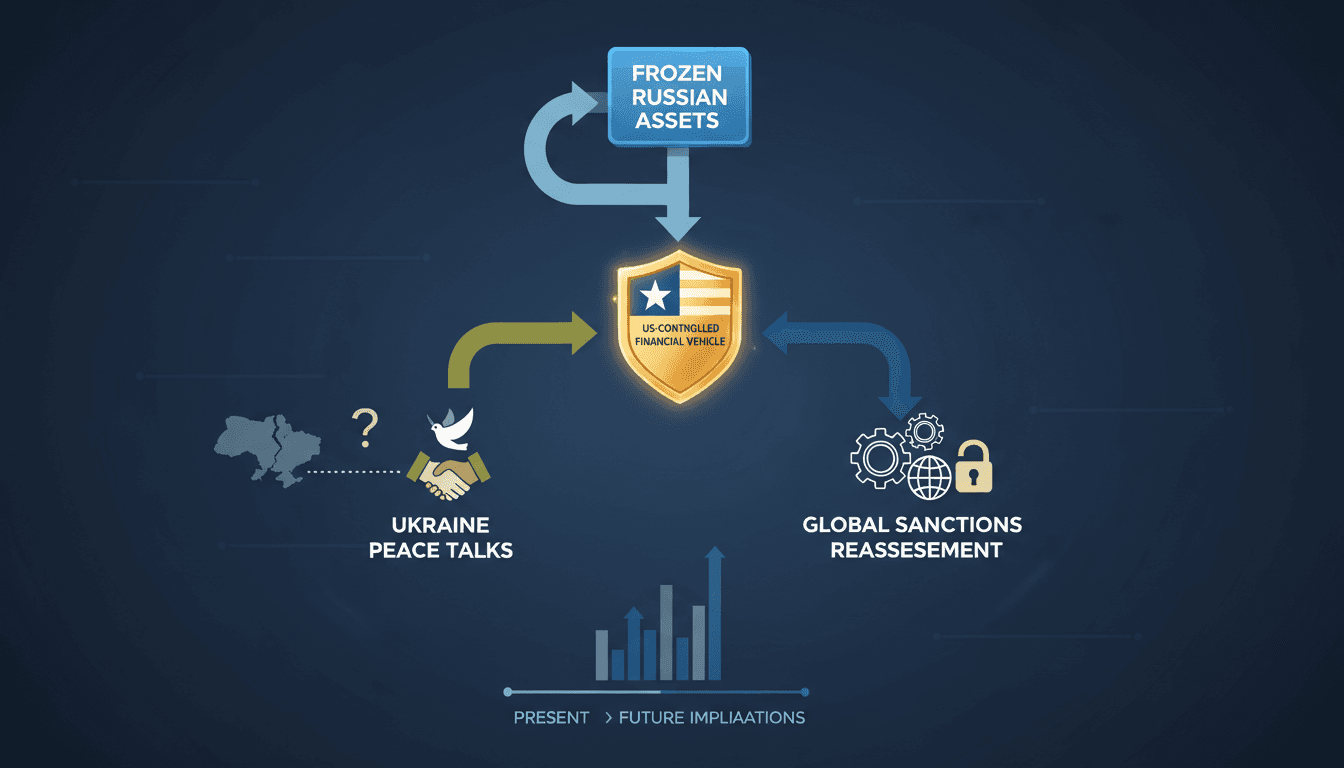
The recent proposal by US negotiators, led by Special Envoy Steve Witkoff and Jared Kushner, aimed to leverage frozen Russian assets as a bargaining chip in peace negotiations with Ukraine. The assets in question, estimated between €260-300 billion, were frozen as part of coordinated sanctions following Russia's full-scale invasion of Ukraine in 2022. The US's approach reflects a strategic pivot towards using financial mechanisms to incentivize compliance and participation in peace talks.
The proposal suggested transferring these assets to a US-controlled financial vehicle, which would ostensibly be used to fund Ukraine's defense and reconstruction efforts while keeping the assets out of direct Russian control. This idea was first floated during discussions at the UN General Assembly in late September 2026, indicating a growing urgency to revive stalled negotiations.
However, European allies quickly rejected the proposal, citing concerns over relinquishing control of the assets and the potential for any funds to return to Russia. This rejection underscores the deep-seated mistrust among European nations regarding Russia's intentions and the complexities of international law surrounding asset recovery and sanctions.
The proposal also coincided with separate US-Russia arrangements concerning diesel exports, raising questions about the consistency of Washington's sanctions enforcement. The mixed signals could lead to friction among allies, particularly as they navigate the delicate balance between supporting Ukraine and managing their own economic interests.
Despite the rejection, discussions about the use of these assets within a broader peace framework are ongoing. The US's willingness to explore economic incentives reflects a recognition that traditional diplomatic approaches may not suffice in resolving the conflict. As negotiations continue, the implications for international relations and financial markets could be significant, particularly if new frameworks for asset management emerge.
Who feels it first (and how)
- Financial institutions: Banks and investment firms may need to reassess their exposure to Russian assets and the implications of potential sanctions changes.
- Diplomats and policymakers: Those involved in international relations will need to navigate the complexities of asset management and negotiation strategies.
- Ukrainian government: The proposal's rejection may impact Ukraine's funding and support mechanisms, influencing its defense strategy.
What to watch next
- Future negotiations: Watch for any new proposals or frameworks that emerge from ongoing discussions, as they could reshape the landscape of international sanctions.
- Market reactions: Monitor how financial markets respond to any shifts in the status of Russian assets, particularly in European jurisdictions.
- Diplomatic relations: Observe how the rejection of this proposal affects US-European relations and their collective stance on sanctions against Russia.
The total value of frozen Russian assets is estimated at €260-300 billion.
Ongoing discussions about asset management will continue, but significant changes may be slow to materialize.
The long-term impact of this proposal on US-European relations and the overall peace process remains uncertain.
Frequently Asked Questions
- Why it matters?
- This proposal could redefine the dynamics of international sanctions and peace negotiations, impacting global financial markets.
- What happened (in 30 seconds)?
- On October 9-10, 2026, US negotiators proposed unfreezing €260-300 billion in Russian sovereign assets to incentivize peace talks with Ukraine. European allies rejected the proposal, unwilling to relinquish control over the assets or allow any return of funds to Russia. Ongoing discussions about asset use within broader peace frameworks continue, despite the rejection.
- What's really happening?
- The recent proposal by US negotiators, led by Special Envoy Steve Witkoff and Jared Kushner, aimed to leverage frozen Russian assets as a bargaining chip in peace negotiations with Ukraine. The assets in question, estimated between €260-300 billion, were frozen as part of coordinated sanctions following Russia's full-scale invasion of Ukraine in 2022. The US's approach reflects a strategic pivot towards using financial mechanisms to incentivize compliance and participation in peace talks. The p
- Who feels it first (and how)?
- Financial institutions: Banks and investment firms may need to reassess their exposure to Russian assets and the implications of potential sanctions changes. Diplomats and policymakers: Those involved in international relations will need to navigate the complexities of asset management and negotiation strategies. Ukrainian government: The proposal's rejection may impact Ukraine's funding and support mechanisms, influencing its defense strategy.
- What to watch next?
- Future negotiations: Watch for any new proposals or frameworks that emerge from ongoing discussions, as they could reshape the landscape of international sanctions. Market reactions: Monitor how financial markets respond to any shifts in the status of Russian assets, particularly in European jurisdictions. Diplomatic relations: Observe how the rejection of this proposal affects US-European relations and their collective stance on sanctions against Russia.
RT is a Russian state-funded network covering global events from a Russian perspective.
"RT is widely criticized for promoting pro-Kremlin narratives and is considered by many to be a state propaganda outlet."
— A47 Editor
US proposes unfreezing Russian assets for Ukraine peace – FT
The United States has proposed unfreezing Russian assets as part of efforts to facilitate peace talks regarding the ongoing conflict in Ukraine. However, this initiative has been rejected by the European Union, highlighting the complexities of intern...
Arabic-language coverage of international news and geopolitics.
"RT Arabic is a Russian state-funded outlet often criticized for promoting Kremlin-aligned narratives."
— A47 Editor
"فايننشال تايمز": واشنطن تقترح الإفراج عن أصول روسية مجمدة والأوروبيون يرفضون
The Financial Times reported that American negotiators Steve Witkoff and Jared Kushner proposed to European officials the release of some frozen Russian assets to support peace negotiations in Ukraine. This proposal highlights ongoing diplomatic effo...
Pan-Arab political news and analysis.
"Al-Quds Al-Arabi is a London-based Arabic newspaper known for political coverage."
— A47 Editor
صحيفة: أمريكا تقترح رفع التجميد عن أصول روسية لدفع محادثات إنهاء حرب أوكرانيا
The Financial Times reported that the United States has proposed to European nations the lifting of sanctions on certain Russian sovereign assets, suggesting their management under a Washington-controlled entity. This initiative aims to revive negoti...
Macro commentary, policy analysis, growth/inflation themes, and global outlooks.
"Contextual macro coverage that complements day-to-day market headlines."
— A47 Editor
U.S. proposes unfreezing Russian assets to restart Ukraine peace talks- FT
The United States has proposed unfreezing certain Russian assets to facilitate the resumption of peace talks regarding Ukraine, a move discussed by negotiators for former President Donald Trump during a recent meeting in Miami. This proposal aims to ...
Editor-curated FT homepage stories spanning markets, business, world, and opinion.
"The Financial Times is a globally respected business publication with a centrist/center-left tone and strong markets focus."
— A47 Editor
US floats unfreezing some Russian assets to restart Ukraine peace talks
The United States is considering unfreezing some Russian assets to facilitate the resumption of peace talks regarding Ukraine, a proposal that was discussed by negotiators for former President Donald Trump during a recent meeting in Miami. European o...