
Iran's Parliament Confirms Mehrdad Akhlaqi Ketabchi as New Defense Minister
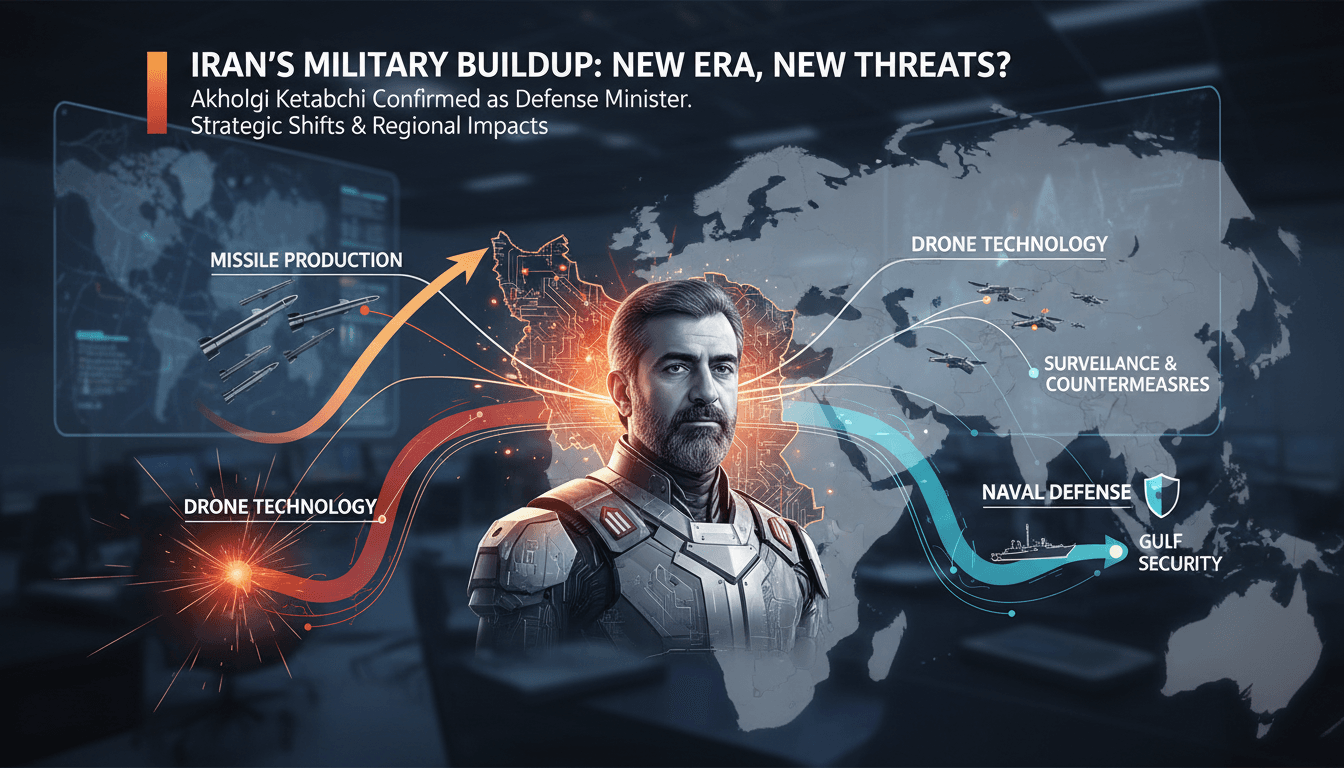
Why it matters
The appointment of Mehrdad Akhlaqi Ketabchi signals a potential escalation in Iran's military posture amid ongoing conflicts with the U.S. and Israel.
What happened (in 30 seconds)
- On October 18, 2026, Iran's parliament confirmed Mehrdad Akhlaqi Ketabchi as the new defense minister.
- He succeeds Aziz Nasirzadeh, who was killed in U.S.-Israeli strikes earlier this year, marking a significant leadership change.
- Akhlaqi's focus will be on expanding military production and enhancing countermeasures against U.S. threats.
The context you actually need
- Iran has faced ongoing military threats since the February 2026 strikes that killed key defense figures, including the former minister.
- Akhlaqi has a background in missile technology, which positions him to address Iran's defense capabilities and industrial needs.
- The geopolitical landscape is tense, with heightened U.S. and Israeli military activities in the region, prompting Iran to bolster its defenses.
What's really happening
The recent appointment of Mehrdad Akhlaqi Ketabchi as Iran's defense minister comes at a critical juncture for the country, following the death of his predecessor, Aziz Nasirzadeh, in U.S.-Israeli strikes. This leadership change is not merely administrative; it reflects a broader strategy to enhance Iran's military capabilities in response to perceived threats from the West. Akhlaqi, who has been sanctioned by both the U.S. and EU for his involvement in missile-related activities, is expected to prioritize military production and research, aiming to rebuild and modernize Iran's defense infrastructure.
The Iranian parliament's approval of Akhlaqi, with 237 votes in favor out of 277 cast, underscores a strong consensus on the need for a robust defense strategy. His immediate focus will likely involve expanding military production capabilities, which is crucial given the ongoing conflict dynamics in the region. Akhlaqi's experience in the aerospace and missile sectors positions him well to lead these initiatives, especially as Iran faces threats of advanced munitions from adversaries.
Moreover, Akhlaqi's appointment is a response to the strategic necessity of countering U.S. military actions. His statements following the confirmation indicate a commitment to developing countermeasures against specific U.S. weapons, suggesting that Iran is preparing for a more aggressive defense posture. This could lead to an arms race in the region, as neighboring countries may feel compelled to enhance their own military capabilities in response.
The implications of Akhlaqi's leadership extend beyond Iran's borders. Regional allies and adversaries alike will be closely monitoring Iran's military developments, which could influence security dynamics across the Middle East. The potential for increased military engagement raises concerns about stability in the region, particularly in maritime trade routes that are vital for global commerce. As tensions escalate, the risk of miscalculation or conflict could have far-reaching consequences, affecting not only regional players but also global markets.
Who feels it first (and how)
- Defense contractors: Increased demand for military production may benefit companies involved in defense manufacturing.
- Regional governments: Countries in the Middle East will need to reassess their security strategies in light of Iran's enhanced military capabilities.
- Global traders: Disruptions in maritime trade routes due to heightened military tensions could impact shipping and logistics sectors.
What to watch next
- Military exercises: Monitor any large-scale military drills conducted by Iran or its adversaries, as these could indicate escalating tensions.
- Sanctions updates: Watch for changes in international sanctions against Iran, particularly those affecting its defense industry.
- Diplomatic engagements: Keep an eye on any diplomatic efforts aimed at de-escalating tensions, which could influence regional stability.
Mehrdad Akhlaqi Ketabchi is confirmed as Iran's new defense minister.
Iran will increase military production and research initiatives under Akhlaqi's leadership.
The immediate impact on regional security dynamics and international relations remains uncertain.
Frequently Asked Questions
- Why it matters?
- The appointment of Mehrdad Akhlaqi Ketabchi signals a potential escalation in Iran's military posture amid ongoing conflicts with the U.S. and Israel.
- What happened (in 30 seconds)?
- On October 18, 2026, Iran's parliament confirmed Mehrdad Akhlaqi Ketabchi as the new defense minister. He succeeds Aziz Nasirzadeh, who was killed in U.S.-Israeli strikes earlier this year, marking a significant leadership change. Akhlaqi's focus will be on expanding military production and enhancing countermeasures against U.S. threats.
- What's really happening?
- The recent appointment of Mehrdad Akhlaqi Ketabchi as Iran's defense minister comes at a critical juncture for the country, following the death of his predecessor, Aziz Nasirzadeh, in U.S.-Israeli strikes. This leadership change is not merely administrative; it reflects a broader strategy to enhance Iran's military capabilities in response to perceived threats from the West. Akhlaqi, who has been sanctioned by both the U.S. and EU for his involvement in missile-related activities, is expected to
- Who feels it first (and how)?
- Defense contractors: Increased demand for military production may benefit companies involved in defense manufacturing. Regional governments: Countries in the Middle East will need to reassess their security strategies in light of Iran's enhanced military capabilities. Global traders: Disruptions in maritime trade routes due to heightened military tensions could impact shipping and logistics sectors.
- What to watch next?
- Military exercises: Monitor any large-scale military drills conducted by Iran or its adversaries, as these could indicate escalating tensions. Sanctions updates: Watch for changes in international sanctions against Iran, particularly those affecting its defense industry. Diplomatic engagements: Keep an eye on any diplomatic efforts aimed at de-escalating tensions, which could influence regional stability.
English-language reporting on Saudi politics, policy, and society.
"Saudi Gazette reflects mainstream Saudi institutional perspectives."
— A47 Editor
Iran appoints new defense minister
Iran's parliament has appointed Mehrdad Akhlaqi Ketabchi as the new defense minister, securing 237 votes in favor during a video conference session. He succeeds Aziz Nasirzadeh, who was killed in US-Israeli strikes on February 28, and was preceded by...
Regional coverage and analysis focused on politics, diplomacy, and business across the Middle East.
"Al-Monitor is known for analytical reporting on Middle East politics and policy developments."
— A47 Editor
Iran's parliament approves Mehrdad Akhlaqi as minister of defence
Iran's parliament has approved Mehrdad Akhlaqi Ketabchi as the new minister of defence, concluding a period of interim leadership following the death of former Defence Minister Aziz Nasirzadeh due to US-Israeli strikes. Akhlaqi, a veteran in the defe...
Arabic-language coverage of political affairs and current events.
"Okaz political coverage typically follows mainstream Saudi framing on national and regional affairs."
— A47 Editor
البرلمان يقر تعيينه.. من هو وزير الدفاع الإيراني الجديد؟
The Iranian parliament has approved the appointment of Mehrdad Akhlaghi Katibchi as the new Minister of Defense, following the assassination of his predecessor eight months ago amid the ongoing conflict involving the United States and Israel. Katibch...