
Trump Suspends New Sanctions on Russia Citing National Interests
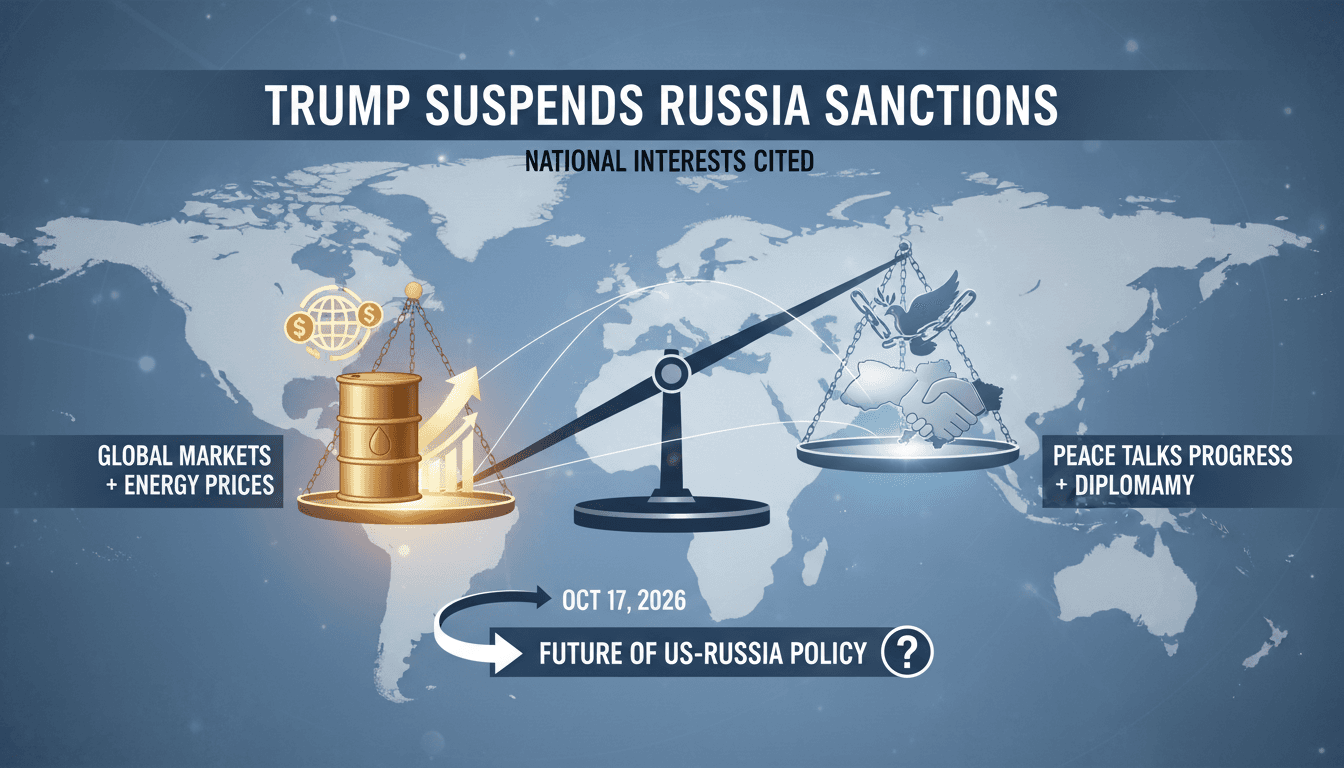
Why it matters
This waiver could reshape energy market dynamics and geopolitical negotiations, impacting global supply chains.
What happened (in 30 seconds)
- On October 17, 2026, President Trump issued an executive order waiving new sanctions against Russia, just days before they were set to take effect.
- Secretary of State Marco Rubio emphasized that the 60-day evaluation period would assess the economic impacts on the U.S. and global economies.
- Ukrainian President Zelenskyy condemned the waiver, arguing it undermines pressure on Russia amid ongoing conflict.
The context you actually need
- The Lindsey Graham Act, passed in September 2026, aimed to impose significant tariffs on Russian energy imports, targeting major buyers like China and India.
- The Russia-Ukraine conflict, ongoing since 2022, has led to heightened tensions and economic sanctions aimed at curbing Russian aggression.
- Recent agreements between the U.S. and Russia have allowed for increased Russian diesel exports, complicating the sanctions landscape.
What's really happening
On October 17, 2026, President Trump invoked waiver provisions in the Lindsey Graham Act, effectively halting sanctions that were scheduled to take effect on October 19. This decision was framed as a necessity for U.S. national interests, particularly in maintaining Russia's involvement in peace negotiations regarding Ukraine. The administration argues that keeping diplomatic channels open is crucial for stabilizing the region and limiting Russian support for Iran.
The 60-day evaluation period specified by Secretary of State Marco Rubio is designed to assess the broader economic impacts of the sanctions on both the U.S. and global economies. This pause in sanctions comes at a time when energy markets are already experiencing volatility due to fluctuating fuel prices and geopolitical tensions. By waiving these sanctions, the Trump administration aims to mitigate potential disruptions in global energy supplies, which could have far-reaching implications for economies reliant on stable energy prices.
Critics, including Ukrainian officials and bipartisan members of the U.S. Congress, argue that this waiver rewards Russian President Vladimir Putin and undermines the pressure that sanctions are intended to exert. They contend that the move could embolden Russia, allowing it to continue its aggressive actions in Ukraine without facing the full consequences of its actions. The backlash from both sides of the aisle indicates a significant divide in U.S. foreign policy regarding Russia, with calls for limiting presidential waiver authority gaining traction.
Energy markets have shown signs of stabilization following the diesel export agreement and the sanctions pause, although the specific impacts on pricing remain under evaluation. The decision to waive sanctions could lead to a temporary easing of energy prices, benefiting consumers and businesses in the short term. However, the long-term implications of this move will depend on the outcomes of ongoing negotiations and the geopolitical landscape.
Who feels it first (and how)
- Energy sector professionals: They may see immediate impacts on pricing and supply stability.
- Global traders: Fluctuations in energy prices could affect trading strategies and market forecasts.
- U.S. lawmakers: Bipartisan criticism may lead to legislative changes regarding presidential powers over sanctions.
What to watch next
- Market reactions: Monitor energy prices and trading volumes in the wake of the sanctions waiver to gauge market stability.
- Diplomatic developments: Watch for updates on peace negotiations between Russia and Ukraine, as they could influence future sanctions decisions.
- Legislative changes: Keep an eye on Congress for potential moves to limit presidential authority on sanctions, which could reshape U.S. foreign policy.
The sanctions waiver is in effect for 60 days pending evaluation.
Energy prices may stabilize temporarily as a result of the waiver.
The long-term geopolitical implications of this decision remain uncertain.
Frequently Asked Questions
- Why it matters?
- This waiver could reshape energy market dynamics and geopolitical negotiations, impacting global supply chains.
- What happened (in 30 seconds)?
- On October 17, 2026, President Trump issued an executive order waiving new sanctions against Russia, just days before they were set to take effect. Secretary of State Marco Rubio emphasized that the 60-day evaluation period would assess the economic impacts on the U.S. and global economies. Ukrainian President Zelenskyy condemned the waiver, arguing it undermines pressure on Russia amid ongoing conflict.
- What's really happening?
- On October 17, 2026, President Trump invoked waiver provisions in the Lindsey Graham Act, effectively halting sanctions that were scheduled to take effect on October 19. This decision was framed as a necessity for U.S. national interests, particularly in maintaining Russia's involvement in peace negotiations regarding Ukraine. The administration argues that keeping diplomatic channels open is crucial for stabilizing the region and limiting Russian support for Iran. The 60-day evaluation period
- Who feels it first (and how)?
- Energy sector professionals: They may see immediate impacts on pricing and supply stability. Global traders: Fluctuations in energy prices could affect trading strategies and market forecasts. U.S. lawmakers: Bipartisan criticism may lead to legislative changes regarding presidential powers over sanctions.
- What to watch next?
- Market reactions: Monitor energy prices and trading volumes in the wake of the sanctions waiver to gauge market stability. Diplomatic developments: Watch for updates on peace negotiations between Russia and Ukraine, as they could influence future sanctions decisions. Legislative changes: Keep an eye on Congress for potential moves to limit presidential authority on sanctions, which could reshape U.S. foreign policy.
Arabic-language coverage of international news and geopolitics.
"RT Arabic is a Russian state-funded outlet often criticized for promoting Kremlin-aligned narratives."
— A47 Editor
ترامب يدافع عن تعليق العقوبات
U.S. President Donald Trump and Secretary of State Marco Rubio defended the decision to suspend sanctions and tariffs related to Russia, asserting that this move serves American interests and considers global market stability.
Jordanian news and regional updates.
"Roya News is a Jordanian outlet focused on breaking news and local affairs."
— A47 Editor
روبيو: تجميد العقوبات على روسيا لمدة 60 يوما يهدف إلى حماية الاقتصاد
U.S. Secretary of State Marco Rubio confirmed on Saturday that President's decision to freeze sanctions on Russia for 60 days aims to protect the economy. This move reflects the ongoing complexities in U.S.-Russia relations amid global economic conce...
Arabic-language coverage of political affairs and current events.
"Okaz political coverage typically follows mainstream Saudi framing on national and regional affairs."
— A47 Editor
ترمب يعلّق تنفيذ عقوبات أمريكية جديدة على روسيا
President Donald Trump issued an executive order to suspend the implementation of a wide range of new economic sanctions and tariffs on Russia and its energy trade partners, just weeks after signing legislation that approved these measures. This deci...