
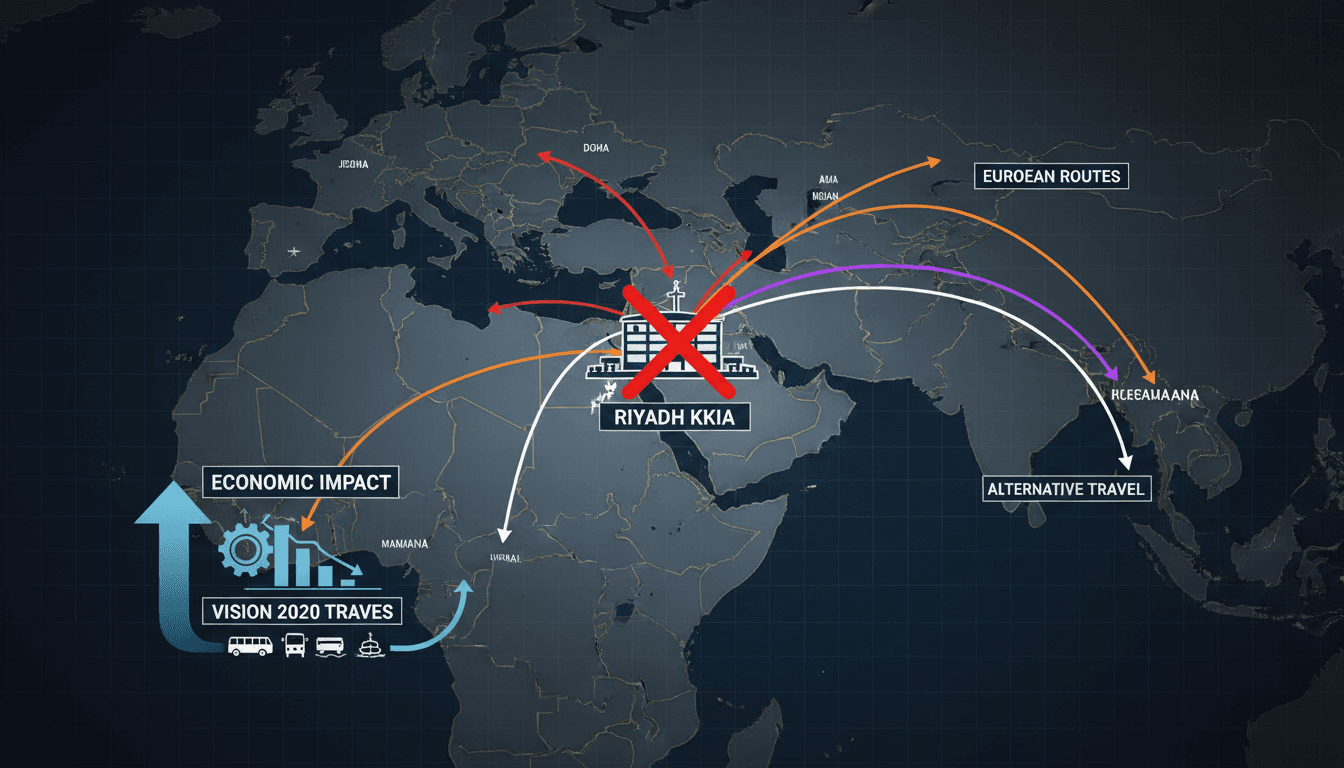
Houthi missile strikes lead to prolonged closure of Riyadh's King Khalid International Airport
Why it matters
The closure of King Khalid International Airport highlights vulnerabilities in Saudi Arabia's infrastructure amid ongoing regional conflicts, affecting both local and international business dynamics.
What happened (in 30 seconds)
- Houthi missile strikes on October 10–11 led to the closure of Riyadh's King Khalid International Airport, resulting in at least 13 fatalities and over 300 injuries.
- Operations were suspended by the Saudi General Authority of Civil Aviation (GACA) until October 18, with strict restrictions on flights thereafter.
- Major events like the Future Investment Initiative (FII) were postponed, disrupting the capital's economic activities and international perceptions.
The context you actually need
- Escalated conflict: The missile strikes are part of a broader escalation in the Yemen conflict, with the Houthis targeting Saudi infrastructure after years of conflict.
- Economic implications: The airport closure exposes risks to Saudi Arabia's Vision 2030 economic diversification efforts, as it disrupts travel and investment.
- Regional impact: The incident has led to increased reliance on alternative travel routes, affecting airlines and expatriates in the Gulf region.
What's really happening
The missile strikes on Riyadh's King Khalid International Airport mark a significant escalation in the ongoing conflict between the Iran-backed Houthi movement and the Saudi-led coalition. This incident is particularly alarming as it directly impacts the capital, which had previously been relatively insulated from such attacks. The strikes resulted in immediate operational suspensions by GACA, reflecting heightened security concerns and the need for safety inspections.
The closure of the airport, which serves approximately 106,000 passengers daily, has had a cascading effect on both domestic and international travel. Nearly 50% of scheduled departures were canceled, forcing airlines to suspend services and reroute flights through alternative airports like Jeddah and Dammam. This disruption not only affects travelers but also has broader implications for businesses reliant on timely air transport for goods and services.
The postponement of significant events, such as the FII, signals a setback for Saudi Arabia's efforts to position itself as a global investment hub. The FII is a key platform for attracting foreign investment, and its delay could undermine confidence among international investors. Additionally, the shift to remote work for government employees and businesses further illustrates the extent of the disruption, as many sectors adapt to the new reality of limited air travel.
As the airport reopened under strict conditions, including prior permission for operations, many international airlines maintained their cancellations, reflecting ongoing concerns about safety and security. The situation has led to increased caution among expatriates, with many considering alternative travel arrangements to avoid potential risks associated with flying into Riyadh.
The broader implications of this incident extend beyond immediate travel disruptions. It raises questions about the resilience of Saudi Arabia's infrastructure and its ability to withstand external threats, particularly as the region remains volatile. The reliance on alternative travel routes may become a new norm for those traveling to and from Saudi Arabia, impacting the operational strategies of airlines and businesses alike.
Who feels it first (and how)
- Travelers: Both residents and expatriates face significant disruptions in travel plans, with many flights canceled or rerouted.
- Airlines: Major international carriers are adjusting their schedules and routes, impacting their operations and profitability.
- Local businesses: Companies reliant on air travel for logistics and client meetings are forced to adapt to remote operations, affecting productivity.
- Government employees: The shift to remote work disrupts normal operations and workflows within government sectors.
What to watch next
- Airline operations: Monitor how airlines adjust their schedules and routes in response to ongoing security concerns and passenger demand.
- Event rescheduling: Keep an eye on the rescheduling of major events like the FII, as this will indicate the recovery of confidence in Saudi Arabia's stability.
- Travel advisories: Watch for updates from Western embassies regarding travel advisories, which could influence expatriate movements and business decisions.
The airport closure has disrupted travel and business operations in Riyadh.
Airlines will continue to face operational challenges and may adjust their services based on security assessments.
The long-term impact on Saudi Arabia's investment climate and international relations remains uncertain.
Frequently Asked Questions
- Why it matters?
- The closure of King Khalid International Airport highlights vulnerabilities in Saudi Arabia's infrastructure amid ongoing regional conflicts, affecting both local and international business dynamics.
- What happened (in 30 seconds)?
- Houthi missile strikes on October 10–11 led to the closure of Riyadh's King Khalid International Airport, resulting in at least 13 fatalities and over 300 injuries. Operations were suspended by the Saudi General Authority of Civil Aviation (GACA) until October 18, with strict restrictions on flights thereafter. Major events like the Future Investment Initiative (FII) were postponed, disrupting the capital's economic activities and international perceptions.
- What's really happening?
- The missile strikes on Riyadh's King Khalid International Airport mark a significant escalation in the ongoing conflict between the Iran-backed Houthi movement and the Saudi-led coalition. This incident is particularly alarming as it directly impacts the capital, which had previously been relatively insulated from such attacks. The strikes resulted in immediate operational suspensions by GACA, reflecting heightened security concerns and the need for safety inspections. The closure of the airpo
- Who feels it first (and how)?
- Travelers: Both residents and expatriates face significant disruptions in travel plans, with many flights canceled or rerouted. Airlines: Major international carriers are adjusting their schedules and routes, impacting their operations and profitability. Local businesses: Companies reliant on air travel for logistics and client meetings are forced to adapt to remote operations, affecting productivity. Government employees: The shift to remote work disrupts normal operations and workflows w
- What to watch next?
- Airline operations: Monitor how airlines adjust their schedules and routes in response to ongoing security concerns and passenger demand. Event rescheduling: Keep an eye on the rescheduling of major events like the FII, as this will indicate the recovery of confidence in Saudi Arabia's stability. Travel advisories: Watch for updates from Western embassies regarding travel advisories, which could influence expatriate movements and business decisions.
Regional coverage and analysis focused on politics, diplomacy, and business across the Middle East.
"Al-Monitor is known for analytical reporting on Middle East politics and policy developments."
— A47 Editor
Saudi airport closure disrupts life in kingdom's capital
The closure of Riyadh's King Khalid International Airport, prompted by a series of deadly missile attacks attributed to Yemen's Houthi rebels, has significantly disrupted life in the Saudi capital. This closure has persisted for over a week, affectin...
English-language digital publication covering business, politics, technology, and current affairs.
"The Arabian Post mixes original and syndicated-style coverage with a broad regional and global business-news orientation."
— A47 Editor
Etihad prolongs Saudi route suspensions through October 24
Etihad Airways has extended the suspension of its flights from Abu Dhabi to Riyadh, Dammam, and Jeddah until October 24, due to ongoing regional disruptions and security concerns. This decision affects all scheduled services between Abu Dhabi's Zayed...
UAE-based English-language newspaper covering regional politics, economics, and global affairs.
"The National reflects Emirati policy perspectives while maintaining international editorial standards."
— A47 Editor
Riyadh airport reopens: Which airlines are still cancelling flights to Saudi Arabia?
Riyadh's King Khalid International Airport has reopened following a temporary closure due to missile strikes attributed to Houthi rebels, which had caused significant disruptions in air travel and led to numerous flight cancellations across Saudi Ara...